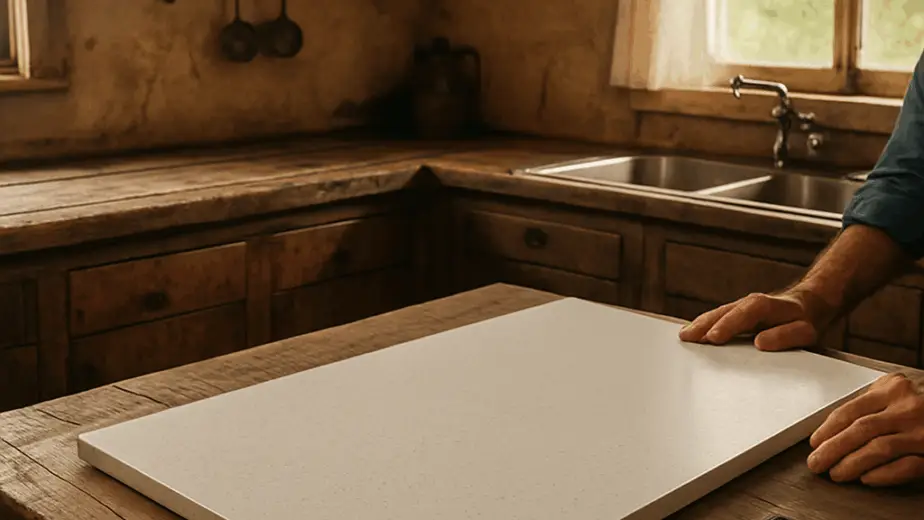

Ever walked into your kitchen and felt the whole room whisper, “It’s time for a change”?
Maybe the benchtops are scarred from years of chopping, the cabinets look tired, or the light just doesn’t cut the early morning fog that rolls over the paddocks.
That familiar tug is what we call the spark of a country kitchen renovation – a blend of practicality and a yearning for a space that feels as solid as the farmyard walls outside.
Here’s the thing: a kitchen out in the bush isn’t just a place to make tea; it’s the hub where the family gathers after a long day in the fields, where you swap stories over a sizzling fry‑up, and where you need surfaces that can survive dust, mud and the occasional stray dog.
So, what does a true country kitchen renovation look like?
First, think big benchtops that can handle a whole butcher’s block of work without cracking – solid timber or a heavy‑duty laminate that won’t warp under the sun.
Second, sturdy cabinetry with deep drawers for pots, tools and those big tins of veg you keep for winter feeding. We love adding extra hinges that stay put even when the wind rattles the shutters.
And don’t forget the lighting: a mix of bright LED strips for prep work and a warm pendant over the island that feels like a sunrise on a summer morning.
All of this sounds a bit much, but when you break it down into bite‑size decisions, it becomes doable. You start with the layout that lets you move between the stove, sink and fridge without stepping over a stray boot.
Then you choose materials that match the rugged charm of a NSW country homestead while still meeting today’s building standards.
In the next sections we’ll walk through the planning, budgeting and the little tricks that keep your renovation on schedule – even when the rains turn the back road to a mud‑track.
Ready to roll up your sleeves and give your kitchen the upgrade it deserves? Let’s dive in.
TL;DR
If you’re dreaming of a rugged, functional kitchen that stands up to dust, mud and daily farm life, country kitchen renovations can deliver that timeless, durable charm.
We’ll walk you through practical layout choices, weather‑ready materials, and budgeting tricks so you can upgrade your homestead confidently, without endless delays today.
Step 1: Assess Your Current Kitchen Layout
First thing’s first – take a good look around the kitchen you’ve been working in for years. Does the flow feel natural, or are you constantly stepping over the fridge to get to the sink? That gut feeling is the compass for the whole renovation.
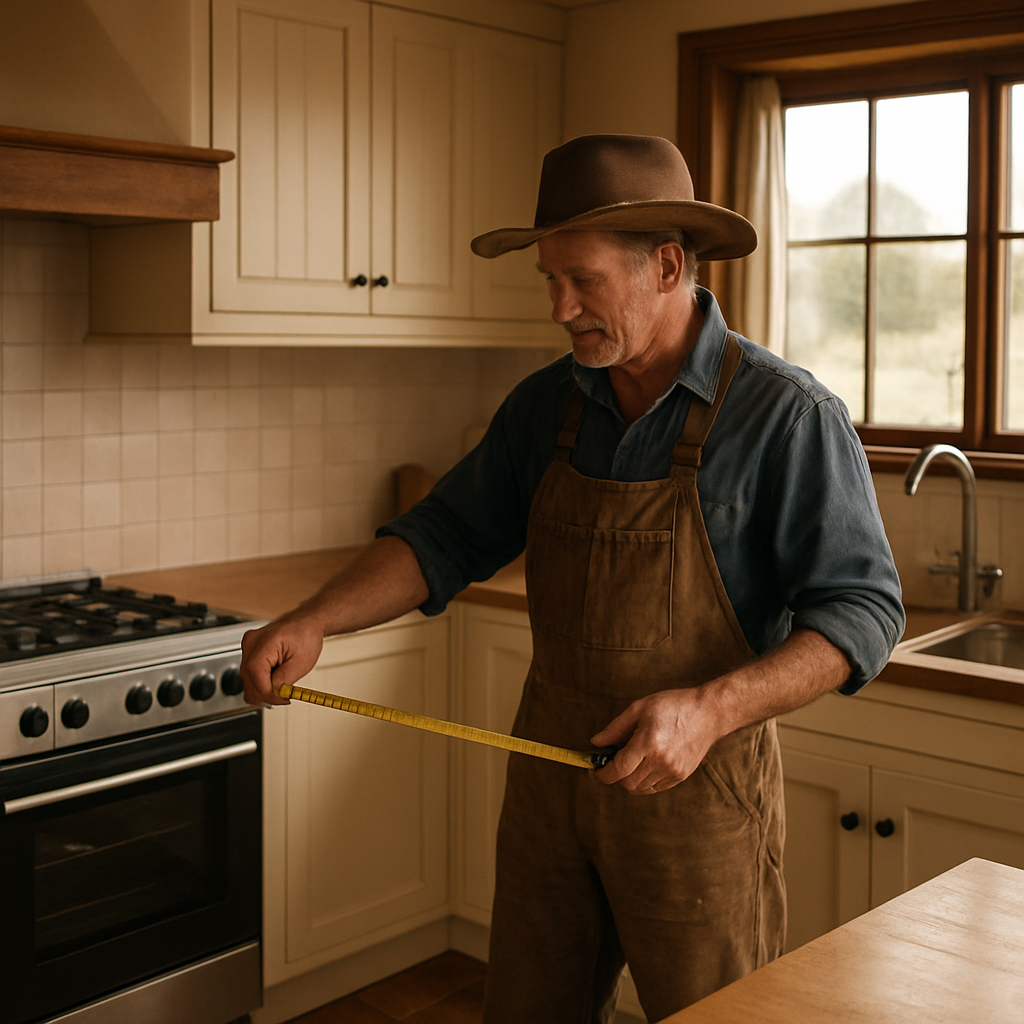
Grab a tape measure, a notebook, and maybe a cuppa. Sketch the room on graph paper, noting where the stove, sink, and fridge sit – the classic work triangle. In a typical country kitchen, the triangle often stretches longer because you need space for a large workbench or a mud‑room entry.
Map the traffic patterns
Walk the space a few times, pretending you’re juggling a pot of soup, a basket of veg, and a muddy boot. Where do you pause? Where do you bump into the island? Mark those high‑traffic zones. If you find yourself pausing near the pantry to grab cans, that’s a sign the pantry might be too far.
Real‑world example: A farm family in Gunnedah realised their sink was on the opposite wall from the stove. Every dinner prep meant a 10‑metre dash across the room, especially when the kids were pulling chairs. By re‑orienting the sink closer to the stove, they cut prep time by half and reduced spills on the floor.
Identify bottlenecks and dead space
Look for corners that never get used – maybe a narrow nook under the window that ends up as a dust collector. Conversely, note any area that feels cramped, like a narrow aisle between cabinets that forces you to shuffle sideways.
One homestead near Armidale had a built‑in pantry that was three metres deep but only a foot wide. It turned into a storage graveyard for old tins and never saw the light of day. Removing that dead space freed up room for a sturdy timber bench that now doubles as a seating area and a place to drop muddy boots.
Check the functional zones
Country kitchens often double as informal dining or a place to spread out the morning newspaper. Does your layout support that? If the dining table is tucked into a corner where the wind blows in, you’ll end up with a cold, uncomfortable spot.
Take note of any electrical outlets, gas lines, and plumbing. Are they conveniently placed, or do they force you to run extension cords across the floor? Mapping these utilities early prevents costly relocations later.
Pro tip: Write down the height of each countertop and the clearance under cabinets. In rural homes, you might have a lower countertop to accommodate a farmer’s boots, but you’ll need enough headroom for a tall fridge.
Once you’ve got measurements, compare them to the recommended work‑triangle dimensions – 1.2 to 2.7 metres on each side. If your current layout exceeds those ranges, you’re probably dealing with wasted steps.
Now that you’ve documented the existing situation, it’s time to decide what stays, what moves, and what disappears. Ask yourself: “If I could only keep three things, what would they be?” For most country kitchens, the answer is stove, sink, and a durable workbench.
Having a clear picture makes the next step – choosing a new layout – feel less like a guessing game and more like a purposeful design.
Need a deeper dive into how rural kitchens are re‑imagined? Check out our Kitchen Renovations for Rural Homes page for case studies and material suggestions.
When you’re ready to pick finishes, remember that window dressings aren’t just about style. The right curtains can protect a dusty kitchen from wind‑blown grit. This Choosing Cafe Curtains for Kitchen Windows guide walks you through practical options.
Take a moment now to fill out the quick checklist below. Tick each item as you go – it’ll become your renovation brief.
- Measure the work‑triangle distances.
- Note traffic flow and bottlenecks.
- Identify dead‑space corners.
- Record outlet, gas, and plumbing locations.
- List the three must‑keep zones.
Step 2: Choose Materials and Finishes for a Country Look
Now that you’ve mapped out where the stove, sink and workbench will sit, it’s time to think about what actually covers those surfaces. Picking the right materials isn’t just about looking pretty – it’s about surviving the dust, the mud and the occasional stray dog that loves to nap on the bench.
Think of your kitchen as a well‑worn pair of boots. You want something that looks good, but you also need it to hold up when the weather turns nasty or when the kids dump a bucket of water on the floor. Below are the go‑to choices that blend that rugged country charm with today’s building standards.
Wooden Cabinets & Shelving
Solid timber is the backbone of a classic country kitchen. Hardwoods like Australian spotted gum or ironbark give you that deep, warm grain that ages beautifully. They’re naturally resistant to warping, which is handy when the humidity swings from summer heat to winter chill.
But raw timber can be a bit high maintenance, so many of us seal it with a low‑VOC polyurethane finish. It’s tough on spills, easy to wipe down, and keeps the grain looking rich for years. If you’re after a more laid‑back vibe, a reclaimed pine cabinet painted in a muted matte colour adds a story‑telling patina without sacrificing strength.
Stone & Solid‑Surface Benchtops
When it comes to worktops, you’ve got three reliable friends: natural stone, concrete and engineered solid surface. A slab of New South Wales sandstone is gorgeous, heat‑resistant and can take a good pounding from a cleaver. Concrete, poured on‑site, can be coloured with earth tones and sealed to repel stains – perfect for a farm that sees a lot of flour dust.
Engineered solid‑surface brands like Silestone or Corian mimic stone’s look while offering seamless joints and easy repair – a real lifesaver if a heavy pot cracks the edge. Whichever you pick, make sure the surface is sealed at least once a year; it’s a small chore that pays off in longevity.
Flooring that Stands Up to Mud
Flooring is where the real test begins. Slip‑resistant ceramic tiles with a rustic, matte finish are a favourite because they’re easy to clean and handle water‑logged boots without getting greasy. For a softer underfoot feel, look at sealed timber flooring – a wide‑board hardwood that’s been treated to resist moisture and scratches.
If you love the look of a traditional red‑clay floor but worry about cracking, consider a quarry tile with a brushed finish. It mimics the old‑world charm, drains water quickly, and can survive a heavy farm cart rolling by.
Now, let’s visualise these choices in action.
Take a minute to watch the video – it walks through a real‑life country kitchen makeover, showing how timber cabinets, a concrete bench and slip‑resistant tiles come together without looking forced.
Hardware & Fixtures with Rural Charm
Finish the look with brushed brass or oil‑rubbed bronze handles. They’re sturdy, they don’t corrode easily, and they add that warm glow you see in farmhouses across NSW. For lighting, go for utilitarian LED pendants with a matte black finish; they give bright task light while nodding to the industrial vibe of a farm shed.
| Feature | Option | Why it works for country kitchens |
|---|---|---|
| Cabinetry | Solid hardwood (spotted gum, ironbark) sealed with low‑VOC polyurethane | Durable, resists warping, showcases natural grain that ages well |
| Benchtop | Sealed sandstone slab or poured concrete | Heat‑resistant, easy to clean, handles heavy work without cracking |
| Flooring | Slip‑resistant matte ceramic tile or sealed wide‑board timber | Handles mud, water and boots; low maintenance and safe |
Ready to start picking? Grab a notebook, jot down which of these three categories you’re leaning towards, and set a budget line for each. Remember, the best country kitchen is one that looks good, lasts long, and still lets you drop a boot on the floor without a worry.
Step 3: Planning the Renovation Timeline and Budget
Alright, you’ve picked out the timber cabinets and the slab you’ll be pouring – now it’s time to map out when everything will happen and how much it will cost. That part can feel a bit like trying to herd a mob of cattle, but with a simple plan you’ll keep the chaos at bay.
1. Sketch a realistic timeline
First, break the job down into bite‑size phases: demolition, structural work, plumbing & electrics, finishes, and final clean‑up. Write each phase on a sticky note and place it on a wall calendar. Seeing the sequence in front of you makes it harder to forget the little things, like ordering the tiles before the floor is sealed.
Ask yourself: how long will each step actually take on a farm property where the crew might need to drive 30 km on a gravel track? Add a buffer – usually 10–15 % extra days – because rain, a delayed delivery, or a broken 4×4 can throw a spanner in the works.
Here’s a quick template you can copy:
- Week 1‑2: Demolition & site prep
- Week 3‑4: Frame & roof adjustments
- Week 5‑6: Plumbing, gas, and electrical rough‑ins
- Week 7‑8: Flooring, benchtop installation
- Week 9‑10: Cabinetry, hardware, and painting
- Week 11: Final fittings, snag list, clean‑up
Notice the “snag list” at the end? That’s your safety net for any stray bolts or missed spots.
2. Build a budget that survives a drought
Next up, the money side. Start with a master spreadsheet and colour‑code three columns: “Must‑Have,” “Nice‑to‑Have,” and “Contingency.” Put the big tickets first – cabinets, benchtop, and labour – because they’ll eat up the bulk of your spend.
Typical country kitchen renovations in NSW run somewhere between $30,000 and $70,000 depending on size and material choice. If you’re leaning toward a sealed sandstone slab, add an extra $5,000‑$8,000 for stone and sealing. Concrete is a bit kinder on the pocket, but you’ll still want a good sealant to stop stains from the inevitable mud.
Don’t forget the hidden costs: permit fees, disposal of demolition waste, and the occasional need for a temporary power generator if the site’s off‑grid. A rule of thumb is to set aside 10 % of the total budget for these surprises.
Example budget line items:
- Demolition & waste removal – $2,000
- Structural framing – $5,500
- Plumbing & gas – $4,800
- Electrical – $3,200
- Floor tiles (matte ceramic) – $3,000
- Timber cabinets (hardwood) – $12,000
- Sandstone benchtop – $7,500
- Hardware & fixtures – $1,500
- Contingency (10 %) – $4,500
Adjust the numbers to match your own quotes, but keep the contingency in place – it’s the safety net that keeps the project from blowing up your savings.
3. Sync timeline with the farming calendar
Here’s a trick only a rural builder will tell you: schedule the noisy work (framing, concrete pours) during a low‑activity period on the farm. That might be after the wheat harvest or during a dry spell when the cattle are out on higher pastures. It saves you from juggling a noisy site while trying to herd the mob back in.
Talk to the family early on – let them know when the power will be shut off for wiring, or when the floor will be wet from a concrete pour. Clear communication means fewer “uh‑oh” moments on the day.
4. Keep a daily log – the secret weapon
Grab a small notebook or a phone app and jot down what got done each day, any delays, and what’s coming up next. Over a few weeks you’ll see patterns: perhaps the delivery driver always shows up two days late on a particular road. Knowing that, you can re‑order a day earlier next time.
When you review the log at the end of each week, you’ll also spot budget creep early. If the tile supplier quoted an extra $200 for a special colour, you’ll see it right away and decide if it’s worth the extra sparkle.
5. Review, adjust, and sign off
At the halfway point, sit down with the builder (or your trusted contractor) and compare the actual progress to the original timeline. If you’re ahead, great – maybe you can move the final paint‑work forward. If you’re behind, identify the bottleneck and re‑allocate resources.
Finally, once the snag list is cleared and the dust settles, do a walk‑through with the contractor. Check that every cabinet door swings freely, the benchtop is sealed, and the floor is still slip‑resistant after a test with a muddy boot. Sign off only when you’re truly happy – that’s the moment you know your country kitchen renovations are ready for everyday life.
Planning the timeline and budget might feel like a lot of paperwork, but think of it as the farm’s own weather forecast: you’re simply reading the signs so the renovation runs smooth, on‑time, and on‑budget.
Step 4: Managing Contractors and Rural Building Regulations
Know the licence landscape before you sign anything
In NSW any kitchen work worth more than $5,000 in labour and materials needs a contractor licence. That rule isn’t just paperwork – it protects you from a bloke who can’t back‑up his promises when the mud hits the road. The NSW Home Building Act even allows fines of $22,000 for individuals who skirt the law, so you’ll want to double‑check the licence number before the first hammer swing. NSW contractor licence requirements make that easy to verify.
Ask the contractor to show both the contractor licence and any specialist certificates for plumbing or electrical work. If they’re subcontracting, the subcontractor must also hold the appropriate licence and be supervised by a qualified supervisor.
Pick a builder who gets rural logistics
Rural sites have quirks – a gravel track that floods after a night’s rain, a narrow gate that only a 4×4 can navigate, or a power supply that needs a generator for a few days. Ask the builder how they’ll get materials onto the property. Do they have a 4WD crew? Do they schedule deliveries around low‑tide windows if you’re near a river?
When I was on a farm near Bourke, the contractor ran a daily check‑in call to let us know when the cement truck would arrive. That simple habit saved us a whole day of waiting in the heat.
Write a contract that talks the talk
Keep the contract short, but cover the basics: scope of work, payment milestones, start and finish dates, and a clear clause for variations. Anything that falls outside the original scope – say you decide to add a second bench – should trigger a written change order before any extra work begins.
Include a “rural weather buffer” clause. In country settings, a sudden downpour can turn a dusty access road into a mud‑trap. A five‑day buffer on each major phase is a realistic safety net.
Check the permits early
Even though kitchen renovation work is listed under the “other building work” category, many councils still require a development application for structural changes, new plumbing, or altered gas lines. Pull the paperwork before the first nail is hammered – it’s a lot easier to get a permit when the site is still clear of debris.
Make a quick checklist: licence numbers, insurance certificates, council permit reference, and a copy of the signed contract. Store it all in a folder on your phone so you can pull it up if the builder asks for proof mid‑project.
Stay on top of the daily log
Grab a small notebook or use a notes app and jot down what happened each day. Who showed up? What was completed? Any delays? A simple log becomes priceless when you need to chase a late payment or dispute a variation.
When you look back after a week, you’ll spot patterns – maybe the tile supplier always arrives two days late on a certain road. You can then adjust the schedule before it snowballs.
Final walk‑through and sign‑off
When the work is done, walk the kitchen with the contractor. Test the bench with a muddy boot, open and close every cabinet, flick the lights, and run the tap. Anything that feels off should be noted on the snag list and fixed before you hand over the final payment.
Signing off only when you’re truly happy isn’t just good sense; it’s your legal protection. A signed completion certificate backed by a licensed contractor means you’re covered if a future issue crops up.
Managing contractors and navigating rural building regs might feel like herding cats, but with a licence check, a clear contract, a weather buffer, and a daily log, you’ll keep the renovation on track and avoid nasty surprises.
Step 5: Finishing Touches & Maintaining Your Country Kitchen
Alright, you’ve got the cabinets, the bench and the floor all in place – now comes the part that makes a country kitchen feel lived‑in, not just built. The finishing touches are where personality meets practicality, and a solid maintenance plan keeps that charm from fading after the first muddy boot.
Seal, protect, and love your surfaces
First up, the benchtop. Whether you chose a sealed sandstone slab, poured concrete or a solid‑surface, give it a fresh seal every 12‑18 months. A simple silicone‑based sealer applied with a soft cloth will repel water, oil and the inevitable flour dust that drifts in from the pantry.
Pro tip: keep a small bottle of the sealant in the kitchen drawer along with a microfiber rag. When you notice a faint dullness – a good indicator after a rainy season – a quick re‑coat restores that showroom shine without a full‑blown renovation.
Hardware that endures the farm life
Brushed brass or oil‑rubbed bronze handles look gorgeous, but they can tarnish if you let salty air sit on them. A light wipe with a citrus‑based cleaner once a week is enough. If you notice a spot that’s stubborn, a tiny dab of olive oil on a soft cloth will bring the luster back – a trick my dad taught me when we refurbished a 1970s farmhouse kitchen.
And don’t forget the hinges. A quarterly drop of a few drops of white lithium grease into each hinge keeps cabinet doors swinging smoothly even when the temperature swings from a frosty morning to a scorching afternoon.
Floor care for mud‑prone properties
Slip‑resistant tiles are brilliant, but the grout lines love to collect grit. Sweep the floor with a stiff‑bristled broom before mopping, then use a pH‑neutral tile cleaner. For timber floors, a weekly sweep followed by a light coat of marine‑grade varnish will protect against moisture seeping into the boards.
Real‑world example: a family near Tamworth installed matte ceramic tiles but skipped the grout seal. After two wet winters, the grout softened and the tiles shifted. Adding a grout sealer solved the problem and saved them $2,000 in replacement costs.
Ventilation – the silent hero
Country kitchens often double as laundry or mudroom spaces, so moisture can build up fast. Install a modest extractor fan above the stove, set to run for a few minutes after cooking. Pair it with a window that opens onto a shaded side of the house – a cross‑draft will keep the air fresh and stop mould from taking hold on the ceiling.
If you can’t fit a fan, a simple portable dehumidifier placed in the corner works wonders during the rainy season.
Routine checklist – the 5‑minute daily habit
- Wipe down the bench after each major cooking session.
- Spot‑clean any spills on the floor before they dry.
- Check cabinet doors for loose hinges; tighten if needed.
- Run the extractor fan for 5 minutes after dinner.
- Inspect the sealant on benchtops for wear – note any dull spots.
Doing this each evening takes less time than a full‑scale deep clean, and it catches small issues before they become costly repairs.
Seasonal deep‑maintenance
Twice a year – once after the wet season and once before the harvest – schedule a deeper session. Pull out the movable island, vacuum underneath, and give the back of cabinets a wipe with a mild detergent. Re‑seal the benchtop if the product recommends it, and re‑apply a fresh coat of varnish to timber floors if they look worn.
During the dry months, check that the external door leading to the mudroom seals properly. A drafty door lets dust in, and that dust settles on countertops, creating a constant cleaning battle.
When things go wrong – quick fixes
If a cabinet door sags, a simple wood filler and a new screw often does the trick. For cracked tiles, a colour‑matched epoxy filler restores the look without pulling the whole floor. And if a benchtop edge chips, a touch‑up kit from the original stone supplier can fill the gap – just sand lightly and reseal.
Remember, the goal isn’t to avoid any wear; it’s to manage wear intelligently so the kitchen stays functional and beautiful for decades.
So, what’s the next step? Grab a notebook, write down the five‑minute daily checklist, and set a calendar reminder for your twice‑yearly deep‑maintenance day. With those habits in place, your country kitchen will keep looking as fresh as the day the contractors left the site.

FAQ
What are the most durable countertop materials for a country kitchen renovation?
When you’re dealing with mud‑tracked boots and a lot of chopping, you want something that won’t crack or stain easily. Sealed sandstone slabs are a top pick – they handle heat, are easy to wipe down, and develop a lovely patina over time. Poured concrete works too, especially if you add a penetrating sealant. Both options can be resurfaced locally if a chip shows up, keeping the kitchen looking fresh for years.
How often should I reseal my benchtop, and can I do it myself?
Most stone or concrete tops benefit from a fresh seal every 12‑18 months, depending on how much you use the space. It’s a fairly simple DIY job: clean the surface, let it dry completely, then apply a thin coat of a silicone‑based sealer with a soft cloth. The whole process takes about an hour and saves you a costly professional repair down the line.
Do I really need a licensed contractor for a kitchen remodel on a farm?
In NSW, any kitchen work over $5,000 in labour and materials must be carried out by a licensed contractor. It’s not just paperwork – a licence guarantees the builder meets safety standards and has insurance if something goes wrong. Plus, a rural‑savvy contractor will understand the logistics of getting materials onto a gravel track and can plan around your farming calendar.
What’s the best way to protect flooring from mud and dust?
Slip‑resistant matte ceramic tiles are a solid choice because they’re easy to mop and don’t get greasy from mud. If you prefer timber, go for wide‑board hardwood that’s been marine‑grade sealed – it repels water and can handle a boot‑track without warping. Remember to seal grout lines annually; it prevents grit from grinding into the joints and extending the floor’s life.
How can I keep cabinet hardware looking good despite farm life wear and tear?
Brushed brass or oil‑rubbed bronze handles are tough, but they’ll develop a patina if you let salt or mud sit. A quick weekly wipe with a citrus‑based cleaner keeps them bright, and a dab of olive oil on stubborn spots brings the shine back. For hinges, a few drops of white lithium grease every few months stops squeaks and keeps doors swinging smooth.
What ventilation options work best in a country kitchen that also serves as a mudroom?
A modest extractor fan above the stove is essential – run it for five minutes after cooking to pull steam and odours out. Pair it with a window that opens onto a shaded side of the house for a natural cross‑draft. If a fan isn’t feasible, a portable dehumidifier placed in the corner does wonders during rainy seasons, preventing mould on walls and ceilings.
How do I create a simple maintenance checklist that I’ll actually stick to?
Keep it to five quick tasks you can do in under five minutes each evening: wipe the benchtop, spot‑clean floor spills, check cabinet hinges, run the extractor fan, and glance at the sealant shine. Write the list on a sticky note and put it on the fridge. When you see the note, you’ll remember – and those tiny habits add up to a kitchen that stays fresh for decades.
Conclusion
We’ve walked through everything from mapping traffic patterns to sealing benchtops, and the common thread is simple: a country kitchen that works for farm life needs solid planning, rugged finishes, and a habit of tiny daily checks.
Remember the five‑minute checklist – wipe the bench, spot‑clean spills, check hinges, run the fan, glance at sealant. Do it every night and you’ll dodge the big repairs that sneak up after a rainy season.
Pick materials that love mud as much as you do – slip‑resistant tiles, sealed timber, low‑VOC polyurethane on cabinets – and protect them with a yearly seal or a dab of olive oil for brass.
Give your builder a clear contract, a weather buffer, and a daily log. That little notebook can be the difference between a smooth rollout and a costly delay when a 4×4 delivery gets stuck in a creek crossing.
So, what’s the next step? Grab a pen, jot down the three must‑keep zones, set a reminder for your first deep‑maintenance day, and give Awesim Building Contractors a call. We’ll bring the 4WD, the know‑how, and a plan that fits your farm calendar.
When the dust settles and the kitchen shines, you’ll know the renovation was built to last – not just for a season, but for generations of family meals and muddy boots.