
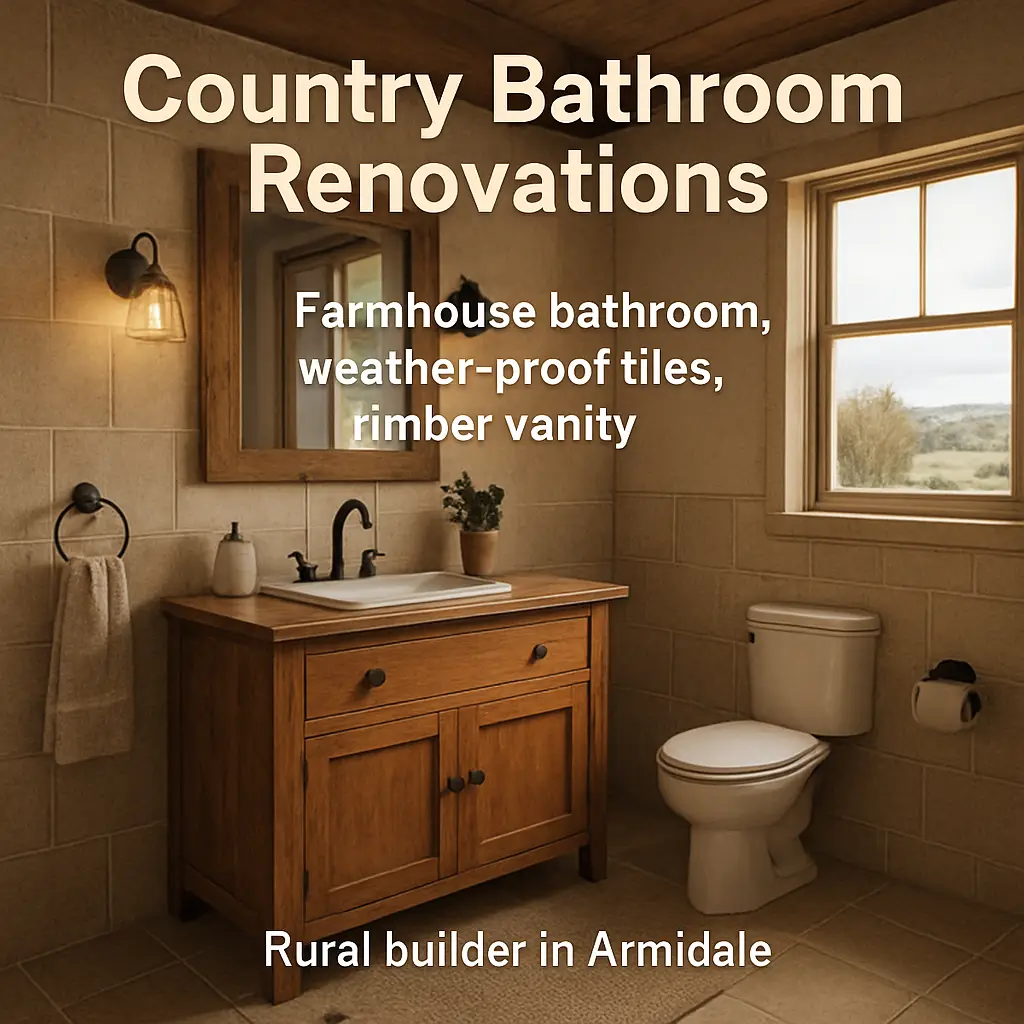
Ever walked into a tired farm bathroom, the tiles cracked like old fence posts and the light flickering like a distant storm, and thought, ‘This needs a proper country bathroom renovation?’
You’re not alone. Most rural homeowners I meet swear they’ve tried a quick fix, only to end up with a leaky floor or a cold shower that feels like a winter dip.
What if I told you that a smart, durable makeover can turn that cramped space into a cosy, easy‑care haven that stands up to dust, wind and the occasional cattle‑curtain?
Imagine stepping onto a slip‑resistant, sealed floor that wipes clean with a damp cloth, while a water‑tight wall system keeps moisture out of the plaster—no more mouldy corners, no more worrying when the next thunderstorm rolls through.
Here’s the thing: country bathroom renovations aren’t just about swapping tiles. They’re about choosing materials that breathe with the outback climate, planning layouts that fit around the existing shed or homestead, and timing the work around your farm’s busiest seasons.
We’ve seen a farmer in Gunnedah replace a corrugated‑iron shower enclosure with a low‑profile, powder‑coated steel frame that won’t rust after a season of heavy rains. He now enjoys a quick rinse before heading out to the paddocks, and the whole family loves the extra storage built into the wall niche.
Or picture a family in Armidale who added a small skylight to capture morning sun, paired with insulated wall panels that keep the heat in during winter and the heat out in summer—all installed by a crew that can drive a 4×4 right up to their remote homestead.
So, what’s the first step? Start by walking the space, noting the cracks, the drafty spots, and the fixtures that feel out‑of‑date. Write those down—it’s the roadmap for a renovation that actually solves your pain points.
From there, we’ll sketch a plan that respects your budget, your timeline, and the unique quirks of rural life. You’ll get a bathroom that feels solid, looks good, and lasts through the next decade of farm work.
Ready to turn that old bathroom into a country‑style retreat? Let’s dive in and map out the exact steps you need to get there.
TL;DR
Country bathroom renovations transform dusty, cracked farm washrooms into durable, comfortable retreats that stand up to harsh Aussie weather and daily farm life.
We’ll guide you through assessing the space, choosing resilient materials, planning a budget‑friendly layout, and hiring a 4×4‑capable rural builder to deliver lasting results for your property.
Step 1: Planning Your Country Bathroom Renovation
First thing’s first – grab a pen, a sturdy pair of boots, and walk the bathroom like you’re scouting a new paddock. Notice the cracked tiles, the cold drafts sneaking in around the window, and any rust‑eaten fixtures. Jot everything down; that list is the blueprint for a renovation that actually solves your daily frustrations.
Next, think about how the space will work for you. Are you shuffling out of the shower straight into a milking shed? Do you need extra storage for hoses and farm‑cleaning gear? Sketch a rough layout on a napkin or use a simple app – don’t over‑engineer it, just capture the zones: wet, dry, and stash.
Budget & Timeline
Rural projects often run into unexpected costs – like a sudden storm that washes out a track. Set a realistic budget with a 10‑15% contingency. Break it down: demolition, waterproofing, tiling, fixtures, and labour. Then line up the timeline with your farm calendar. Avoid peak harvest weeks or calving season; you don’t want a half‑finished bathroom while the cattle are in heat.
Speaking of waterproofing, it’s worth knowing how to handle a water‑logged wall before the job starts. If you ever face a leak, this step‑by‑step guide on drying walls without drilling can save you hours of hassle.
Materials that Stand Up to the Outback
When you pick tiles, think durability over sparkle. Slip‑resistant, sealed ceramic or quarry tiles laugh at dust and mud. For walls, consider moisture‑resistant plasterboard or fibre‑cement panels – they won’t swell when the next thunderstorm rolls through. And if you need to cut those panels, a sharp utility knife is your best friend; a well‑sharpened blade makes clean cuts. Need a quick tip on keeping that knife razor‑sharp? Check out how to use a belt sander for knife sharpening – it’s a game‑changer for any DIY‑er.
Don’t forget insurance. A solid renovation plan includes coverage for accidental damage or worker injuries. This small‑business group health insurance guide outlines options that keep your crew protected and your peace of mind intact.
Logistics – Getting the Crew On‑Site
One of the biggest hurdles on a remote property is getting materials and people to the site. That’s where a 4×4‑capable builder like Awesim shines. They can drive heavy‑duty trucks up gravel tracks, set up a temporary power source, and keep the project moving even when the road is a washout.
Before the first nail is hammered, confirm any council permits you need – especially if you’re moving plumbing or altering the building’s footprint. A quick chat with the local shire can save weeks of waiting later.
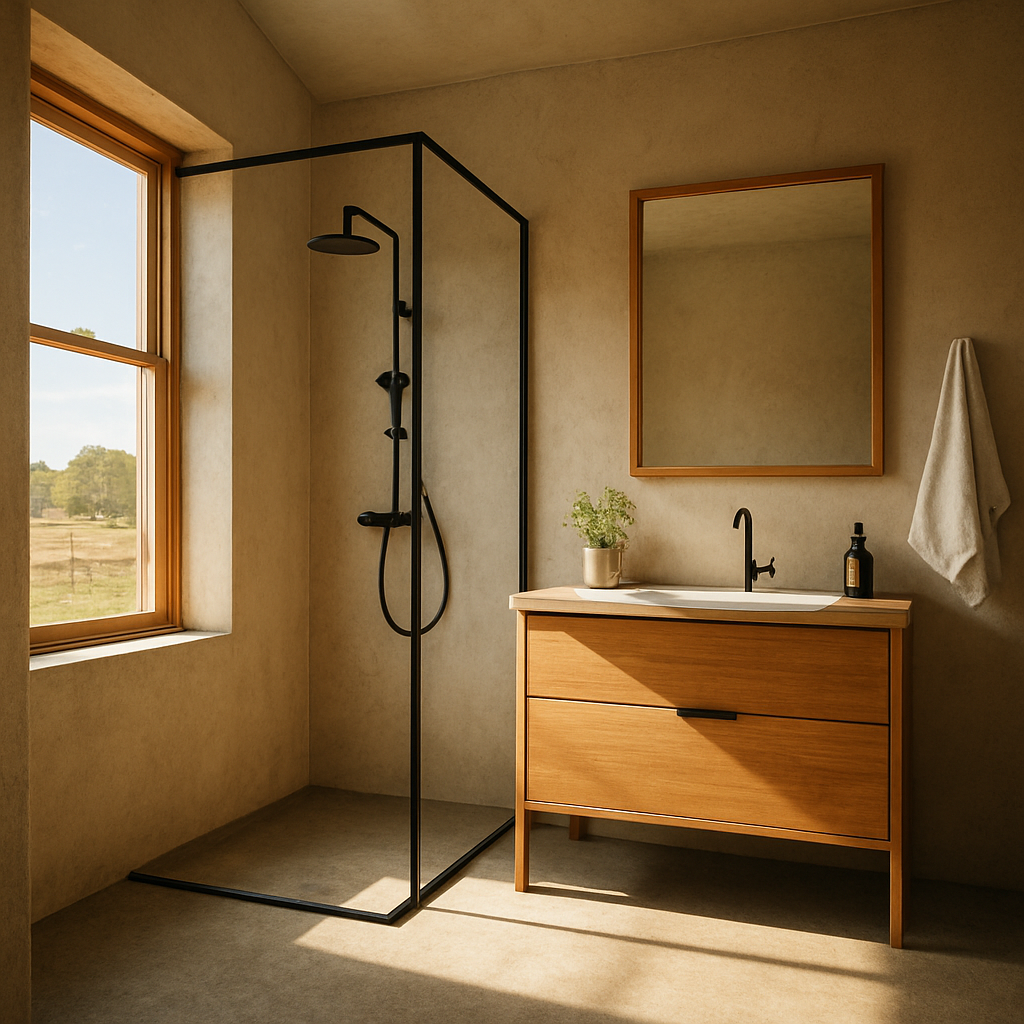
Now that the groundwork is set, it’s time to visualise the finished room. Picture warm timber shelving, a low‑profile steel shower frame that won’t rust, and a skylight that catches the morning sun. That mental picture will guide every material choice.
Here’s a quick checklist to keep you on track:
- Measure floor area and ceiling height.
- List all existing fixtures to keep or replace.
- Set a realistic budget with contingency.
- Choose moisture‑resistant materials.
- Secure permits and insurance.
- Arrange 4×4 access for delivery.
When you’ve crossed those boxes, you’ve turned the vague idea of “a new bathroom” into a concrete plan ready for execution.
Need more detail on what Awesim can do for you? Have a look at our Bathroom Renovations for Rural Homes page – it breaks down the services, materials, and timelines we specialise in.
Ready to see a real‑world example? Watch the short video below where we walk through a typical country bathroom remodel from start to finish.
Notice how we staged the demolition, laid the waterproof membrane, and installed the new fixtures while keeping the site tidy for farm traffic.
Step 2: Budgeting and Sourcing Materials
Alright, you’ve got your wish list and a rough floor plan – now it’s time to talk money and where you’ll actually get the stuff that will survive a NSW dust storm.
1. Set a realistic budget ceiling
Start with a spreadsheet (or the back of a napkin, if you’re feeling old‑school). List every item – from the slip‑resistant floor coating to the solar‑boosted pump – and slap a price next to it. In rural NSW the labour rate sits around $80‑$120 per hour, but materials can swing wildly depending on distance.
Three Birds Renovations notes that a solid bathroom remodel typically runs $25,000‑$40,000 nationwide, with regional projects often landing toward the lower end because of cheaper tradie rates. Use that range as a sanity check: if your numbers are double, you’re probably double‑counting or dreaming about marble benchtops that won’t survive a four‑wheel drive delivery. according to their 2025 cost guide
2. Factor in transport and access costs
Because many of our clients live off the sealed road, a 4×4‑capable contractor like Awesim will charge a site‑access fee – usually $1‑$2 per kilometre extra. Add a line item for “fuel & 4×4 access” and you’ll avoid that nasty surprise when the truck finally rolls up the gravel track.
Tip: bulk‑order tiles or waterproof membranes from a supplier in Tamworth and have them dropped at the nearest town shop. You’ll save $50‑$150 on delivery and can load them onto the builder’s 4×4 the same day.
3. Choose materials that match the climate
In the outback, temperature swings can crack glossy tiles. Opt for a sealed concrete floor with a slip‑resistant aggregate – it’s cheap (around $45 per m²) and holds up for decades. For walls, a moisture‑resistant plasterboard sealed with a waterproof membrane is lighter than brick and easier to transport.
Real‑world example: a family in Gunnedah swapped a standard tile floor for a polymer‑coated concrete slab. Their total floor cost was $820 for 18 m², versus $2,400 for a tiled option that later cracked after a heavy rain.
4. Source locally, but don’t be afraid to shop online
Local hardware stores often have clearance stock – think off‑cut timber or discounted grout. Combine that with online bulk purchases for items like silicone sealant, which can shave 10‑15% off the total.
When you order a batch of low‑profile steel shower frames, ask the supplier if they can ship to your nearest town depot. That way you avoid a costly direct‑to‑site freight charge.
5. Build a contingency cushion
Even the most seasoned builder will tell you “expect the unexpected”. Set aside 10‑15% of your total budget for surprise expenses – think hidden rust, a busted pipe, or the occasional asbestos find.
My rule of thumb? If you’ve budgeted $20,000, earmark $2,500 as “rain‑check money”. If you never use it, great – you’ve got a buffer for future upgrades.
6. Actionable checklist before you sign a quote
- Confirm 4×4 access fee and fuel surcharge.
- Get a line‑item breakdown for each material (floor coating, plasterboard, fixtures).
- Ask for warranty details on waterproof membranes.
- Verify delivery dates align with your off‑season window.
- Include a 10‑15% contingency line.
Once you’ve ticked those boxes, you’ll have a budget that feels solid, not shaky.
With the numbers in hand, the next step is to hand your spreadsheet over to a builder who knows how to navigate muddy tracks and deliver on time. That’s where Awesim’s 4×4 crew shines – they’ll read your budget, source the right products, and keep the project on track while you focus on the vision of that warm, slip‑safe floor under your boots.
Step 3: Managing Outback Logistics and Permits
Imagine you’ve just signed off the budget and the design is nailed down, but the nearest track to your homestead is a dusty gravel run that turns to mud after a light rain. That moment is where most country bathroom renovations hit a snag – the logistics of getting people, plants and paperwork onto a remote site.
First thing we do is a site‑access audit. We drive the 4×4 out to the property, note the steepest gradient, any low‑water bridges and the width of the gate. That simple walk‑around tells us whether we need a larger truck, a portable crane, or a temporary gravel overlay. In one project up near Bourke, the crew discovered a narrow cattle gate that only allowed a 2‑metre trailer. We swapped to a low‑deck ute and saved $800 in rental fees.
Map the delivery timeline against the weather window
Outback weather is unforgiving. A sudden thunderstorm can wash out a track for days. We always pull the long‑range forecast and build a 5‑day buffer into the delivery schedule. For a bathroom remodel in Cobar, the first batch of waterproofing membranes arrived on a Monday, but a downpour on Tuesday forced us to postpone the tiling until Thursday. Because we had that buffer, the overall project only slipped by two days, not a week.
Tip: keep a small “logistics box” on site – a waterproof container with extra sandbags, spare tyre tubes and a fold‑out ladder. It’s cheap, but when a sudden waterhole forms you’ll thank yourself.
Secure the right permits early
Rural councils in NSW often require separate approvals for plumbing, waterproofing and any structural changes. The trick is to start the permit pack before the first demolition. Gather the existing site plan, a basic layout drawing and a list of fixtures. Submit the pack to the local council’s building department and ask for a provisional approval – that way you can order the shower screen and vanity while you wait for the final sign‑off.
In a recent renovation in Armidale, the homeowner tried to order a custom glass shower screen before the waterproofing permit was granted. The council flagged a code issue and the screen had to be resized, adding $600 to the cost. We now always request a “permit‑hold” clause in the supplier contract so deliveries can be delayed without penalty.
Plan material staging and on‑site storage
Because remote sites can’t accommodate a full pallet of tiles, we break down deliveries into “stage‑loads”. The first load brings in the waterproofing membrane and backer board – enough to cover the walls and floor. The second load arrives after the membrane has cured, delivering the tile, grout and trim. This staggered approach reduces the risk of damage from a sudden rain and keeps the site tidy.
Example: a farm bathroom in Narrabri used a staged delivery for a polymer‑coated concrete floor. The first truck dropped the concrete mix and sealant; the second truck came a week later with the slip‑resistant aggregate. The crew reported a smoother workflow and a 10 % cut in material waste.
Coordinate with local utilities
Many outback properties rely on a private water tank or a bore. Before we tap into the supply, we check the tank capacity and pressure. If the pressure is low, a booster pump is installed during the plumbing phase. In Gunnedah, a client’s old pump was undersized for a new rain‑shower fixture. Adding a solar‑powered pump not only fixed the pressure issue but also cut the household’s electricity use by about 20 %.
Don’t forget to inform the electricity provider if you’re adding new lighting or a heated towel rail – they’ll schedule a safe disconnect and reconnection, avoiding any surprise outages on the day of the final fit‑out.
Final checklist before the first nail
- Confirm 4×4 access fee and any extra fuel surcharge.
- Obtain provisional permits for plumbing and waterproofing.
- Schedule staged material deliveries with a 3‑day weather buffer.
- Arrange temporary on‑site storage (sandbags, waterproof container).
- Verify utility provider availability for water and electricity work.
- Document all site‑specific risks (low bridges, gate widths) in the project plan.
When you tick each of those boxes, the outback logistics stop feeling like a gamble and start looking like a well‑orchestrated plan. That’s the difference between a bathroom that drags on for months and one that’s ready for you to step on the slip‑resistant floor before the next shearing season.
Step 4: Choosing Fixtures and Finishes
Alright, you’ve got the space measured, the budget sorted, and the trucks ready – now the fun part begins. Picking the right fixtures and finishes can make the difference between a bathroom that feels like a farmhouse shed and one that feels like a cosy country retreat.
Start with the big picture
Think about the vibe you want when you step in after a long day in the paddocks. Do you picture warm timber tones, a hint of steel, or maybe a splash of muted blues? Lock that feeling in first, because every faucet, light and tile should support it.
Does that sound a bit vague? That’s on purpose. The emotional cue guides the practical choices that follow.
Durability first, style second
Rural bathrooms face dust, temperature swings and the occasional splash from a farm‑yard hose. Choose finishes that laugh at those challenges. Powder‑coated steel shower frames, for example, won’t rust after a rainy season, and they’re light enough for a 4×4 crew to lift.
Stainless‑steel taps are another win – they hold up to hard water and are easy to wipe clean when the dust settles.
Water‑tightness is non‑negotiable
Every fixture you install needs a solid seal. Look for silicone that’s rated for outdoor use; it stays flexible even when the night temperature drops below freezing.
And when you pick a bathtub or shower tray, go for one with a built‑in lip or a raised edge. It’s a tiny detail that stops water from sneaking behind the wallboard.
Lighting that works with the outback
Natural light is gold, but you can’t always count on it. Choose LED fixtures with a high IP rating – IP65 is a safe bet for humidity and dust. A dimmable vanity light lets you switch from bright morning prep to a soft, relaxing glow at night.
Pro tip: place a small, battery‑operated night‑light near the doorway. It saves you from stumbling in the dark when you’re half‑asleep.
Flooring that won’t betray you
Slip‑resistant concrete coatings are a farmer’s favourite. They’re cheaper than tile, can be coloured to match your design, and they handle mud without cracking.
If you prefer tile, pick porcelain with a textured finish. Avoid glossy surfaces – they get slick when water dries on them.
Finishes that match the climate
In the hotter parts of NSW, a matte finish on walls reflects heat better than a glossy paint. In cooler zones, a satin enamel can add a subtle warmth.
Don’t forget the cabinet fronts. A water‑proof veneer or marine‑grade plywood will stand up to occasional splashes and the occasional accidental spill of fertilizer.
Checklist before you sign off
- Confirm each fixture’s IP rating – aim for IP44 or higher in wet zones.
- Verify that metal parts are powder‑coated or stainless.
- Match finish colours to your overall design mood board.
- Ensure all seals are compatible with local water chemistry.
- Ask the builder to demo a sample of the floor coating on‑site before the full pour.
Having this list in hand saves you from last‑minute surprises that can delay the project.
Now, let’s compare the most common fixture families you’ll encounter on a country bathroom renovation.
| Fixture type | Best material for rural use | Key benefit |
|---|---|---|
| Shower frame | Powder‑coated steel | Rust‑free, lightweight for 4×4 delivery |
| Faucet | Stainless‑steel | Resists hard water stains, easy to clean |
| Lighting | IP65‑rated LED | Dust‑proof, long‑life, dimmable |
When you line up each piece with the table, the decision becomes a lot clearer.
And remember, the right finishes aren’t just about looks – they protect your investment from the harsh outback elements, meaning you’ll spend less on repairs down the track.
So, what’s the next step? Grab a sample of your favourite finish, bring it to the site, and ask the crew to see how it looks against the wallboard in the afternoon sun. If it feels right, you’ve just nailed one of the biggest decisions in your country bathroom renovations.
Ready to see those fixtures come together? Let’s move on to the final stage – installing everything so you can finally step onto that slip‑resistant floor and enjoy a fresh, durable space that feels like home.
Step 5: Execution, Quality Checks, and After‑care
Alright, you’ve got the plans, the materials, and the crew rolling in. Now the real magic happens – turning those blueprints into a functional, mud‑proof country bathroom.
Does the idea of a final walk‑through make your stomach flip? Trust me, it’s the moment you discover whether all those late‑night design dreams actually work in real life.
Final walk‑through: lock the doors and inspect
Grab a flashlight, a notepad, and a sturdy pair of boots. Walk the space from the moment you step onto the slab to the instant you turn on the tap.
- Check that the floor is level – any wobble means a future trip hazard.
- Make sure that the shower screen sits flush against the wall; gaps invite water where you don’t want it.
- Verify that every fixture (taps, shower head, toilet) is securely mounted and doesn’t wobble when you give it a nudge.
Spot a problem? Jot it down immediately and call your builder before they pack up for the day.
Quality‑control checklist – the “must‑have” items
We all love a good checklist. Here’s a condensed version of the industry‑standard list that the crew at Lake Country Builders swear by quality‑control guide – it works just as well on a remote NSW farm.
- Water‑tightness: all seams on the waterproof membrane are taped, and any penetrations (pipes, fixtures) are sealed with marine‑grade silicone.
- Drainage slope: the floor should fall at least 1‑2% toward the drain to avoid standing water.
- Electrical safety: all GFCI‑protected outlets are tested with a plug‑in tester.
- Ventilation: the extractor fan runs silently and pulls at least 50 m³ per hour.
- Finish quality: tiles are grouted evenly, no loose edges, and the slip‑resistant coating is cured.
If any of these boxes are unchecked, you’ve got a clear action list before the job is signed off.
System testing – don’t just flip the switch
Turn on the cold water first. Does the pressure feel steady? If it sputters, you may have an air‑lock in the line – a quick bleed will sort it.
Next, fire up the hot water. Does the temperature stay consistent after a minute? A sudden drop could signal a faulty valve or an undersized heater.
Run the shower for a full five minutes. Watch the walls – any damp spots mean the membrane missed a corner. Check the floor drain; it should empty without gurgling.
Finally, switch the extractor fan on. Listen for a steady hum, not a rattling noise. A quick sniff for musty smells will tell you if the vent is truly moving air outside.
After‑care plan: keep your bathroom country‑ready
Rural homes face more dust, wind, and occasional livestock traffic, so a bit of regular TLC goes a long way.
- Wipe down tiles and fixtures weekly with a mild soap – it prevents hard‑water stains from setting.
- Inspect the silicone seals every three months; re‑apply a thin bead if you see cracks.
- Clean the extractor fan grille every six months to keep airflow optimal.
- Schedule a professional waterproofing check after the first winter; the cold can contract the membrane slightly.
These habits are quick, cheap, and keep the bathroom looking fresh for years.
When things go sideways – your safety net
Even the best‑planned jobs can hit a snag. Keep all warranty paperwork in a dedicated folder, and note the date you took possession.
If a leak appears after the first rain, call your builder within the warranty window – most rural contracts cover workmanship for 12 months.
Document the issue with photos and a short description; it speeds up the resolution and gives the builder a clear starting point.
Bottom line: a solid execution phase, a razor‑sharp quality checklist, and a simple after‑care routine turn a country bathroom from a construction site into a reliable, low‑maintenance oasis you’ll love stepping into after a long day on the farm.
Conclusion
So you’ve walked through the whole journey – from sizing up that cracked floor to picking powder‑coated steel fixtures that laugh at the outback weather.
What sticks with me after every country bathroom renovations is how a few simple habits keep the space humming for years. A weekly wipe‑down, a quarterly seal check, and a six‑month fan clean‑out are cheap tricks that stop small problems becoming big headaches.
Keep the plan alive
When the rain finally hits, you’ll know exactly where the waterproof membrane sits because you asked the builder for a “permit‑hold” clause and staged deliveries. That foresight means you won’t be scrambling for a new quote mid‑project.
And remember, the real magic isn’t just in the tiles or the pump – it’s in the routine you build around them. Treat the bathroom like a piece of farm equipment: regular maintenance, a quick check after each heavy use, and you’ll avoid costly repairs.
Next step
If you’re ready to turn the vision of a low‑maintenance, dust‑proof retreat into reality, give Awesim Building Contractors a call. We’ll swing a 4×4 out to your property, map the access, and walk you through a budget that respects the season.
Let’s get your country bathroom renovations finished so you can step in after a long day on the paddock and feel the calm you’ve been dreaming of.
FAQ
What should I inspect on my property before I even think about country bathroom renovations?
First, walk the space and note any cracks, damp patches or uneven floors – those are the red flags that will drive your budget. Check the access road: can a 4×4 get the materials right up to the site, or will you need a temporary gravel pad? Look at the existing plumbing layout; knowing where the water line sits saves you a lot of guesswork later.
Which flooring options survive dust, mud and the occasional farm‑yard splash?
Slip‑resistant concrete coatings are a farmer’s favourite because they take a broom, a hose and a bit of grit without cracking. If you prefer tile, go for textured porcelain – it hides dirt and stays non‑slip when wet. In either case, seal the surface with a UV‑stable sealant; that extra layer stops the colour fading under the harsh outback sun.
What waterproofing systems hold up best in remote NSW conditions?
A two‑layer approach works well: start with a liquid waterproofing membrane that can flex with temperature swings, then top it with a reinforced sheet‑backed barrier in the shower wet area. Make sure every pipe penetrations are wrapped in marine‑grade silicone; that prevents tiny leaks that become big mould problems after a heavy rain. Recommend a perimeter drain behind the wallboard to collect any stray water and a final inspection with a moisture meter to confirm the barrier is intact.
How can I keep the renovation affordable without compromising on durability?
Stick to locally sourced materials – bulk‑order tiles or concrete mix from a nearby hardware store to cut freight. Phase the work: get the waterproofing and floor done first, then add fixtures later as budget allows. Ask the builder for a “permit‑hold” clause so you can delay non‑essential deliveries if the weather turns nasty. Choosing a standard‑size steel shower frame also saves on custom fabrication costs and fits easily on a 4×4 truck.
What’s a realistic timeline for a country bathroom remodel, taking weather into account?
In most NSW outback regions, expect eight to twelve weeks from demolition to final finish. Build in a five‑day weather buffer after the membrane cures; a sudden downpour can reset the drying time. If you schedule the bulk of the work during the dry off‑season, you’ll shave a week or two off the overall calendar. Keep a daily log of site conditions so you can quickly adjust the schedule without missing critical milestones.
Which after‑care habits will keep my new bathroom low‑maintenance?
Wipe down tiles and fixtures weekly with a mild soap to stop hard‑water stains from setting. Inspect silicone seals every three months and re‑apply a thin bead if you spot cracks. Run the extractor fan for at least ten minutes after each shower, and give the fan grille a quick clean twice a year – that keeps airflow humming. A quick sweep of the floor edges removes grit that can scratch the sealant over time.
Do I need special permits for plumbing or structural changes on a rural property?
Yes – most NSW councils require separate approvals for any new plumbing, waterproofing membrane or wall alteration. Start the paperwork before demolition; a provisional permit lets you order long‑lead items like a custom steel shower frame without holding up the schedule. Keep a copy of the approved plans on‑site; it smooths inspections and protects you if a dispute arises later.


1 Comment