
Ever walked into a farm kitchen and felt that mix of cosy nostalgia and practical grit, like the scent of fresh timber and the promise of a hearty breakfast waiting on the stove?
You’re not alone – many NSW farm families crave a space that feels both welcoming and built to survive dust, mud and the occasional storm.
What if I told you that a few thoughtful farm kitchen design ideas can transform a modest shed‑style cookroom into the heart of your homestead without breaking the bank?
In our experience at Awesim Building Contractors, we’ve seen simple changes – like swapping a glossy laminate benchtop for a solid‑timber slab – make a world of difference in durability and charm.
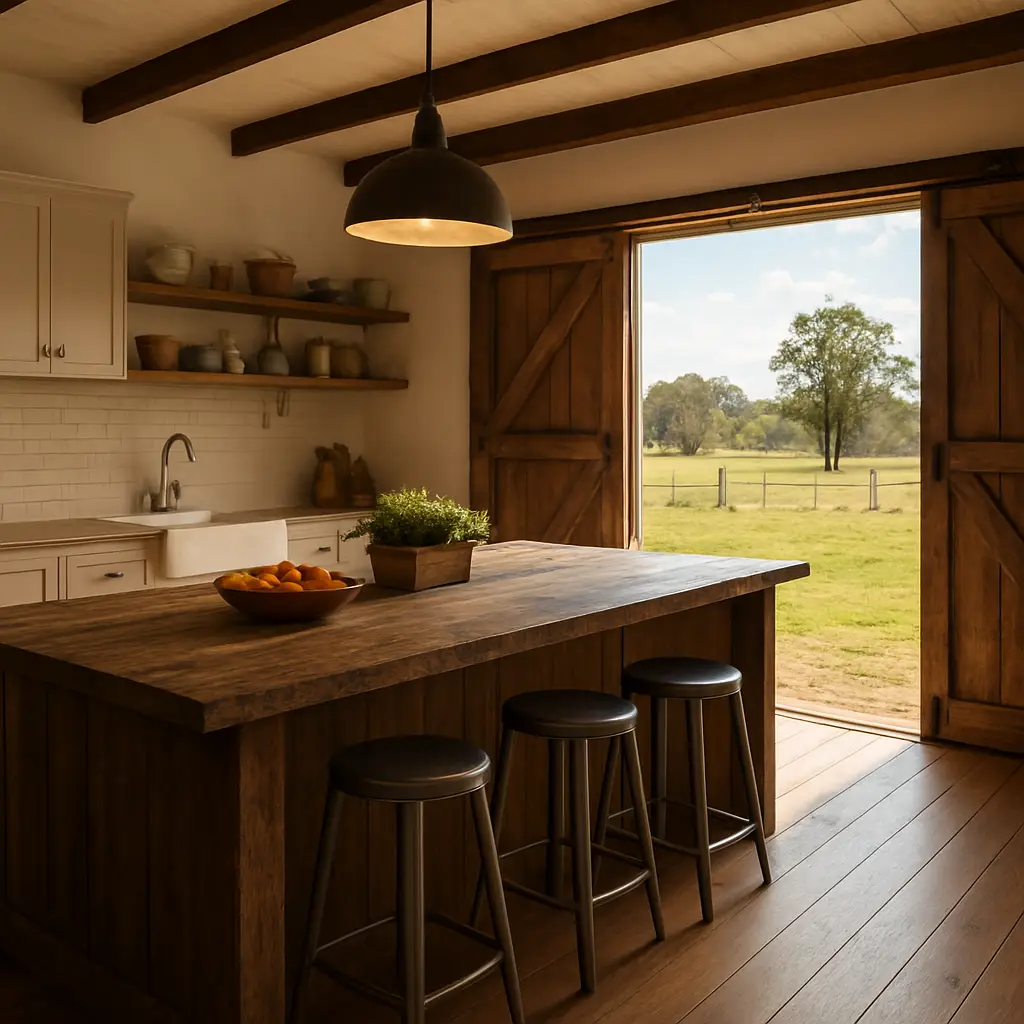
Think about it this way: a wide, reclaimed timber island not only gives you extra prep space but also doubles as a casual dining spot for the kids after a day out in the paddock.
But it’s not just about looks. Rural kitchens need surfaces that shrug off spills and withstand the occasional splash of rain that sneaks in during a summer thunderstorm.
That’s why we often recommend low‑maintenance, water‑resistant finishes such as brushed steel or sealed concrete – they look industrial, feel sturdy, and clean up with a quick wipe.
And let’s not forget storage. Open, ladder‑style pantry shelves made from weathered timber keep cans, jars and home‑grown produce within arm’s reach while adding a rustic vibe.
Do you ever wonder how to bring a bit of the outdoors inside? Large, double‑glazed windows or sliding barn doors let the golden light of the bush spill over the worktop, creating a seamless flow between kitchen and farmyard.
Finally, a few personal touches – a vintage milk can turned into a pendant light or a reclaimed farm gate repurposed as a headboard for a breakfast nook – can make the space truly yours.
So, if you’re ready to give your kitchen a fresh, functional makeover that respects the rhythm of rural life, keep these farm kitchen design ideas in mind as you plan your next renovation.
TL;DR
Farm kitchen design ideas blend durability with country charm, using water‑resistant surfaces, reclaimed timber storage, and plenty of natural light for NSW farm life. Apply these tips—like brushed steel benches, double‑glazed windows, and vintage lighting—to create a functional, welcoming space that stands up to dust, mud, and occasional daily storms.
List Item 1: Open‑Plan Farm Kitchen Layouts
Imagine walking straight from the mudroom into a wide‑open cooking space where the scent of fresh coffee mingles with the rustle of a breezy verandah. That’s the magic of an open‑plan farm kitchen – it feels like the heart of the homestead, beating in sync with the land.
In our experience, the first thing to decide is how the cooking, dining and living zones flow into each other. You don’t need walls to separate them; a sturdy timber post or a reclaimed barn door can act as a visual cue while still keeping the space airy.
1. Keep the Work Triangle Loose
The classic kitchen work triangle (sink‑stove‑fridge) works, but on a farm you want a little wiggle room for a wheelbarrow or a hay‑bag. Position the sink near a window so you can watch the paddock while rinsing veggies. Place the stove against a solid, insulated wall – brushed steel or sealed concrete works wonders against splatter and the occasional rain splash.
Tip: A sliding barn door between the pantry and the prep area lets you shut off dust without chopping up the flow.
2. Let Natural Light Flood In
Large double‑glazed windows or a set of sliding doors not only bring in daylight but also give you that seamless indoor‑outdoor vibe. When the sun hits the reclaimed timber bench, the whole room warms up – perfect for early‑morning breakfasts after a sunrise mustering.
And if you’re worried about glare, consider light‑filtering curtains that soften the harsh Aussie sun while still letting the glow through.
We’ve seen families in Dubbo love a simple linen curtain that can be drawn back for a full view of the yard, then pulled forward for a cosy evening.
Here’s a quick visual guide – the video below walks through a real‑world open‑plan layout we did for a cattle station near Inverell.
Notice how the island doubles as a breakfast bar and a place to stash tools. A solid timber slab is sturdy enough for a hammer or a skillet, and the extra seating encourages the kids to linger while you finish up the scones.
When you choose the island material, think durability. A sealed concrete top resists mud splashes, while a reclaimed timber top adds that warm, lived‑in feel. Pair it with brushed steel stools for a touch of industrial grit – easy to wipe down after a muddy day.
Another trick is to run a trench‑style power line under the island. It keeps cords hidden and makes it safe for farm equipment that might otherwise get tangled.
For storage, open‑shelf pantry walls made from weathered timber keep jars, canned goods and fresh produce within arm’s reach. You can even hang a few copper pots for that authentic farmhouse look.
If you need a little extra privacy for a home office nook, a simple wooden screen can be folded away when you want the whole room open.
Want more inspiration on how to blend rustic charm with practical layout? Check out our guide on Farmhouse Kitchen Renovation Ideas for Aussie Country Homes – it’s packed with floor‑plan sketches and material pick‑lists that work in NSW’s climate.
Finally, think about the floor. A polished concrete slab with a brushed finish handles boot prints, wheelbarrow wheels, and the occasional spill of milk without a fuss. Add a few area rugs made from natural fibres for warmth and easy cleaning.
All these elements together create a kitchen that feels as expansive as the outback, yet snug enough for a family gathering around the table after a long day on the farm.
List Item 2: Rustic Materials & Colours for a True Country Feel
Ever walked into a kitchen and felt the timber under your feet, the smell of aged stone, and thought, “this is exactly how a farm kitchen should feel”? That gut‑reaction is the first sign you’ve nailed the rustic vibe.
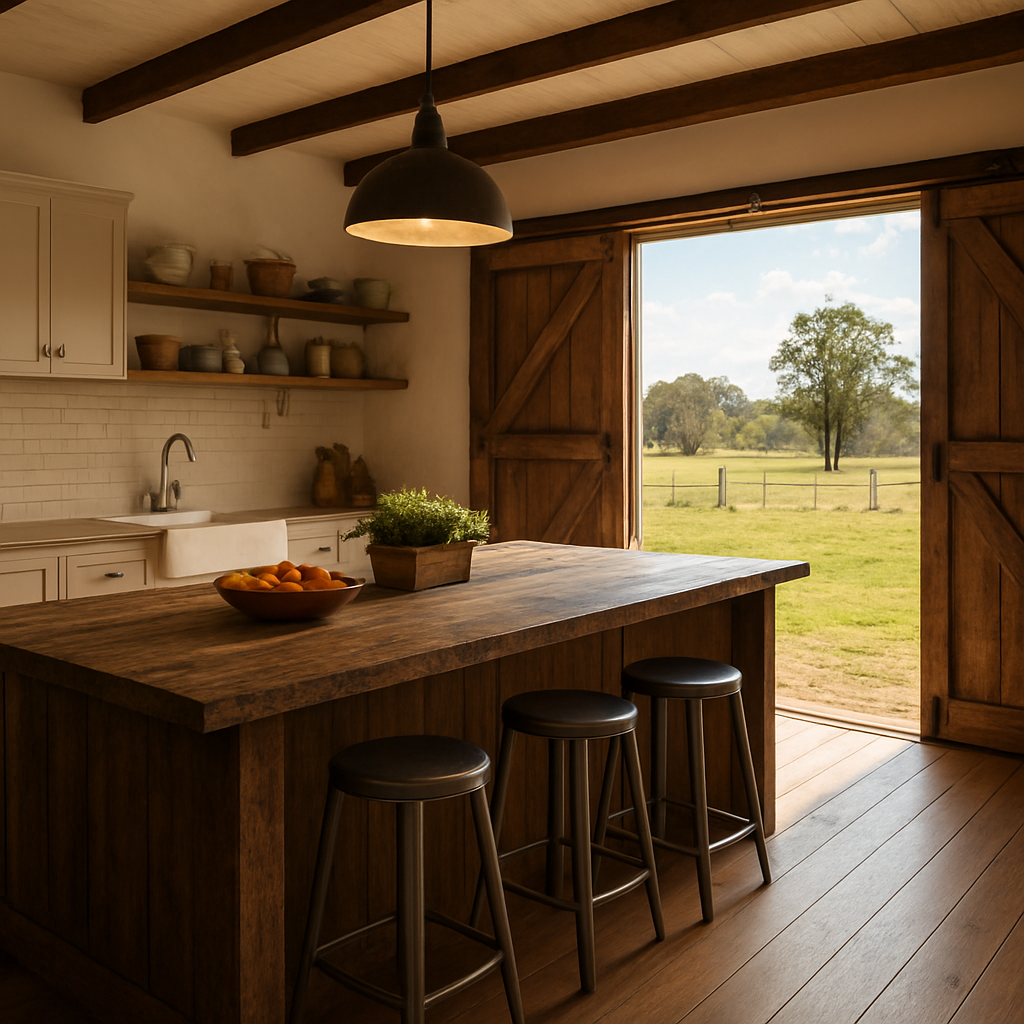
Start with reclaimed timber wherever you can – think a slab island salvaged from an old barn, a weathered timber ceiling, or hand‑crafted pallet shelving. The knots and grain tell a story, and they’re tough enough to survive a muddy boot on the floor after a cattle round‑up. In our experience on properties near Tamworth, a reclaimed‑timber bench not only adds charm but also endures the occasional splash of rain that sneaks in through open doors.
Next, bring in natural stone or weathered brick. A split‑face brick accent wall behind the stove acts like a backdrop for the whole kitchen, while a river‑stone splashback offers durability and a tactile surface you can wipe clean with a damp cloth. Both materials hide dust stains and look richer as they age – the kind of patina that only a farm kitchen earns over years of use.
Don’t forget metal. Wrought‑iron or brushed steel light fixtures, pendant rails, and even reclaimed farm‑gate hinges add a subtle industrial edge that balances the softness of wood and stone. A brushed‑steel range hood, for example, resists rust in a humid summer and reflects light, keeping the space feeling brighter even when the sun’s hiding behind clouds.
Layer in natural fibres – linen curtains, jute rugs, or woven basket storage. These textiles soften hard surfaces, absorb sound, and are easy to shake out after a dusty day in the paddock. A linen tea‑towel rack on the wall doubles as décor and practical storage for those fresh‑baked scones you love to bring out after a long day.
Colour is where the magic really happens. Earthy ochre, muted sage, soft stone, and deep terracotta mimic the surrounding bushland and hide the inevitable specks of mud that farm life brings. Paint the lower cabinets in a warm, faded ochre, let the upper cabinets stay a crisp white, and splash a sage‑green backsplash behind the sink for a subtle pop that still feels grounded.
Mixing these materials can feel daunting, so try this quick three‑step cheat sheet:
- Pick one “hero” material – reclaimed timber, stone, or brick – and let it dominate a focal point (island, wall, or floor).
- Add two complementary textures – metal hardware and a natural‑fibre rug – to create depth without clutter.
- Choose a colour palette of three shades max (e.g., ochre, sage, stone) and repeat them in paint, tiles, and accessories.
Seeing these ideas in action helps, so check out this short video that walks through a real NSW farm kitchen renovation – notice how the timber island, stone backsplash, and metal fixtures all play together.
When you’re ready to pick tiles, the range at backsplash.com showcases rustic stone and slate options that survive mud, UV, and the occasional splash of rainwater without losing their character.
Actionable checklist: measure your wall space, select a reclaimed timber piece, choose a stone or brick accent, pick metal hardware, decide on a three‑tone colour scheme, then source matching tiles. Follow that order and you’ll end up with a kitchen that feels like it’s been part of the farm for generations – sturdy, warm, and undeniably yours.
List Item 3: Functional Storage Solutions for Farm Families
Ever stared at a kitchen drawer that’s more a black hole than a storage spot? You know the feeling – you’ve just dropped a jar of jam, and it disappears into the abyss while you’re trying to chase the kids outside.
We’ve seen that happen a lot on farms across Tamworth, Inverell and even out past Bourke. The good news? A few clever storage tweaks can turn that chaos into a calm, farm‑friendly workflow, and they fit right into any of the small kitchen design ideas we’ve been talking about.
1. Go Vertical with Reach‑In Shelving
Instead of lining the walls with low cabinets that get buried under tools, install sturdy timber or metal shelves that climb to the ceiling. A simple ladder‑style rack gives you easy access to the top‑most jars while keeping the lower shelves free for everyday items. Because you’re on a farm, choose powder‑coated steel or reclaimed pine – both stand up to dust, mud and the occasional splash of rain that sneaks in through a barn door.
Pro tip: add a small rolling ladder that slides on brackets; you’ll never have to climb a step stool that wobbles on uneven floorboards again.
2. Pull‑Out Pantry Cores
Think of a pantry as the barn’s feed trough – everything you need should be within arm’s reach. Pull‑out units with soft‑close drawers let you grab a sack of flour without rummaging through a maze of boxes. In our experience, a 600 mm deep pull‑out works well between a wall and a fridge, especially when you have a narrow corridor that doubles as a mud‑room.
Pair the drawer fronts with the same reclaimed timber you used on the island; it ties the whole kitchen together and adds that weathered charm.
3. Under‑Counter Bins for Bulk Goods
Farm families often buy grain, oats or bulk spices in 25‑kg bags. Instead of stacking them on the floor, build shallow, ventilated bins right under the countertop. A simple timber frame with slatted sides lets air circulate, keeping the produce dry while you still have a clear work surface.
Tip: label each bin with a chalkboard tag – you can update it on the fly as stock runs low.
4. Multi‑Purpose Wall Hooks and Pegboards
When you’re juggling garden tools, potting trays or even a pair of well‑used work gloves, a pegboard installed next to the prep sink is a lifesaver. Hook a rolling cart, hang a few metal baskets for fruit, and sling a pot holder for the kettle. Because it’s mounted, you won’t have to fight for floor space that’s already claimed by a tractor wheel.
We often finish the board with a strip of reclaimed slate – it doubles as a chopping surface for quick veg prep when you’re in a hurry.
5. Sliding “Barn Door” Cabinets
Traditional swing doors can snag when the hinges get coated in mud. Sliding cabinet doors, modeled on barn doors, glide on a low‑profile rail and stay flush with the wall. They’re perfect for storing larger items like a farm‑size blender, a meat slicer, or even a small cooler for fresh produce.
Choose a door panel that matches your reclaimed timber island; the visual continuity makes the kitchen feel larger, and the hardware is built to survive a bit of grit.
6. Hidden Nook for Kids’ Gear
Kids love to dump school bags and sports gear in the kitchen. Carve out a low‑profile nook behind a tall pantry or under a side bench where you can stash backpacks, boots and raincoats. A simple curtain or sliding panel keeps it out of sight, so the kitchen stays tidy without feeling like a storage closet.
Because it’s at kid‑height, they can help put their stuff away, turning chores into a quick routine after a day in the paddock.
Quick Checklist
- Measure wall height – aim for shelves that reach at least 2 metres.
- Plan a 600 mm pull‑out pantry between fridge and wall.
- Build or buy two under‑counter bins with ventilation slats.
- Install a 1‑metre pegboard next to the sink.
- Choose sliding cabinet doors for any large‑item storage.
- Add a low‑profile hidden nook for kids’ outdoor gear.
By layering these storage ideas, you’ll find that every square metre of your farm kitchen works harder for you, not the other way around. And the best part? Most of the hardware can be sourced locally, meaning you support regional suppliers while keeping the look authentic to NSW farm life.
Ready to give your kitchen the storage makeover it deserves? Grab a tape measure, sketch a quick plan and give us a shout – we’ll help you turn those ideas into a rugged, functional space that stands up to mud, dust and daily farm hustle.
List Item 4: Sustainable & Energy‑Efficient Features
Ever stare at your kitchen lights buzzing on while the sun’s already beating down on the paddock? You’re not alone – a lot of us in NSW farm households feel that sting in the electricity bill every summer.
What if the kitchen could actually help you save power instead of draining it? In our experience, a few smart tweaks turn a regular farm kitchen into a low‑energy hub that still looks rugged and welcoming.
1. Passive solar design – let the sun do the work
Position the main workbench so it catches the gentle morning light. A north‑facing window (or sliding barn door) lets sunlight warm the space for free, meaning you can rely less on electric heating on chilly mornings.
Tip: Use a light‑coloured, heat‑reflective finish on the wall behind the sink. It bounces the sun’s warmth onto the worktop without creating a hot spot.
2. LED lighting with dimmers
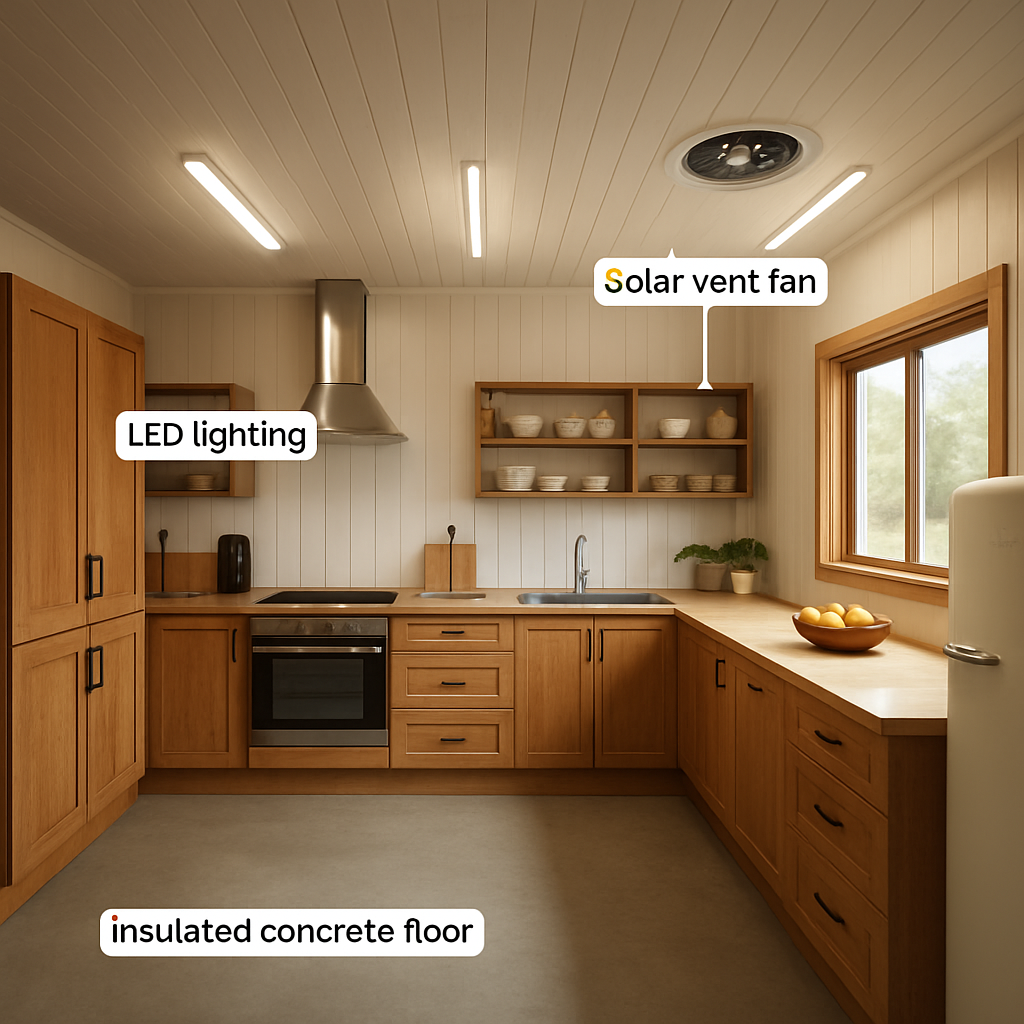
Swap any old halogen or fluorescent fixtures for rugged, sealed‑case LEDs. They use up to 80% less energy and handle dust and occasional splashes like a champ.
Adding a simple dimmer switch means you can pull the lights down to a soft glow when you’re just prepping a coffee, shaving a few watts every hour.
3. Solar‑powered ventilation
Ventilation is a must when you’re cooking over a solid‑timber range, but a wall‑mounted extractor can chew up power. A small solar‑panel kit mounted on the roof powers a low‑energy fan that pulls steam and odours out without pulling on your main circuit.
We’ve installed these on farms near Moree, and the fans run all day on a single 15‑watt panel – that’s less than the cost of a single LED bulb.
4. High‑R‑value insulation
Concrete floors are great for mud, but they can get cold. Slip a layer of rigid foam board under a polished concrete finish. It adds about R‑4 to the floor, keeping it warmer in winter and cutting down on heating loads.
Same idea applies to the ceiling – a few centimetres of reflective foil insulation between the roof joists keeps the heat in during winter and out during summer.
5. Water‑saving fixtures
Every litre counts when you’re out in the bush. A low‑flow pre‑rinse faucet with a pull‑out sprayer reduces water use by up to 30% without sacrificing performance.
Combine that with a rain‑water tank hooked to the sink’s cold line – you get free, cool water for washing veggies and dishes.
So, how do you decide which of these features fits your kitchen first? Below is a quick comparison to help you prioritise based on cost, impact, and ease of install.
| Feature | Typical Cost | Energy Savings |
|---|---|---|
| LED fixtures + dimmer | Low (AU$50‑80 per lamp) | Up to 80% less lighting load |
| Solar‑powered vent fan | Medium (AU$150‑250 kit) | Zero electricity for ventilation |
| Rigid foam floor insulation | Low‑Medium (AU$50‑85 per m²) | Reduces heating demand by ~15% |
Pick one, install it, then watch the bill shrink. It feels good to see a tangible number drop – and the kitchen still looks as tough as a farm fence.
Want a quick win? Start with LED lights and a dimmer. They’re cheap, easy to bolt in, and you’ll notice the difference the very next time you flick the switch.
Remember, sustainable upgrades aren’t just about the environment; they’re about keeping more cash in your pocket for the things that really matter – like that extra bag of feed or a family weekend at the station.
Ready to make your farm kitchen work smarter? Grab a notepad, jot down which of these ideas fit your space, and give us a call. We’ll help you plan a phased rollout that respects your budget and the rhythm of country life.
List Item 5: Integrating Farm Sheds and Outdoor Cooking Areas
Ever looked at that old farm shed out back and thought, “What if that rough‑and‑ready space could double as the heart of my kitchen?” You’re not alone. Many of us on NSW stations have turned a simple storage shed into a functional outdoor cook‑out that feels as much a part of the home as the indoor bench.
1. Pick the right shed – size, orientation, and condition matter
First thing’s first: you need a shed that’s big enough for a grill, prep bench and a little room to move around. A 12‑metre‑by‑6‑metre timber‑framed shed works well for a family of four, while a smaller 8‑metre‑by‑4‑metre structure suits a couple who love quick bar‑bies.
Check the roof pitch – a steeper pitch sheds rain better, which is a lifesaver when a summer thunderstorm rolls through. And make sure the floor is level; a concrete slab or compacted hardcore will keep the whole thing from wobbling under a heavy cast‑iron stove.
Does the shed already have a door that swings outward? If not, consider a sliding barn‑door style – it stays out of the way when you’re juggling a pan and a pot of sauce.
2. Seal, insulate, and ventilate – make it weather‑smart
Even though you’re cooking outdoors, you still want the space to be usable in winter mornings and rainy afternoons. A simple weather‑proofing job can add years of usability.
Start with a breathable, water‑proof membrane on the roof, then top it with colour‑matched corrugated steel or recycled timber shingles. For the walls, a combination of insulated panels (rigid foam behind timber cladding) keeps the cold out while still looking rustic.
Ventilation is key. A ridge vent paired with a low‑profile solar‑powered exhaust fan will pull smoke away without sucking in dust from the paddock. In our experience on a cattle station near Moree, a 12‑watt solar fan kept the air clear even on the hottest days.
3. Choose rugged, farm‑friendly cooking gear
Now the fun part – the actual cooking area. A stainless‑steel, dual‑fuel (gas + wood) range lets you sear a steak on gas one night and slow‑cook a lamb roast over wood the next. Look for models with a cast‑iron griddle that can double as a breakfast plate for eggs and bacon.
Mount the range on a sturdy steel frame anchored to the concrete slab. Add a reclaimed‑timber workbench on one side for chopping veg, and a simple concrete or stone countertop on the other for plating.
Don’t forget storage: a weather‑sealed cabinet for spices, a hanging rack for pots, and a set of lockable metal bins for charcoal or wood chips keep everything tidy and safe from critters.
4. Blend indoor and outdoor flow with a seamless transition
One of the best farm kitchen design ideas is to blur the line between indoor and outdoor cooking. A wide, sliding door or a set of bi‑fold timber doors that open onto the shed creates a natural flow – you can walk from the indoor prep area straight into the outdoor grill without missing a beat.
Install a matching floor material (think polished concrete or sealed timber) on the indoor side so the transition feels intentional, not a patch‑work afterthought.
Lighting matters too. A few rugged, IP‑rated LED floodlights mounted on the shed roof provide ample light after sunset, and a couple of vintage farm‑lamp pendants add that warm, nostalgic glow.
5. Practical checklist for getting started
- Measure your existing shed or plan a new footprint – aim for at least 4 × 6 m for a comfortable cook‑out.
- Inspect the roof and walls; add waterproof membrane and insulated cladding if needed.
- Choose a dual‑fuel range or a sturdy grill with a built‑in griddle.
- Install a solar‑powered vent fan and ridge vent for smoke control.
- Fit sliding or bi‑fold doors that line up with your indoor kitchen layout.
- Add rugged LED lighting and a reclaimed‑timber workbench.
Once you’ve ticked those boxes, you’ll have a space that feels as rugged as a farm shed but works like a modern outdoor kitchen. It’s the kind of upgrade that lets you flip a burger while the kids eat breakfast inside, or pull a pot of soup onto the porch when the sky’s turning pink.
Think about the extra cash you’ll save on electricity – you’re using gas or wood instead of a high‑wattage indoor stove – and the joy of cooking under the open sky. That’s the sweet spot of farm kitchen design ideas: practicality meets pleasure.
Ready to turn that shed into a cooking haven? Grab a tape measure, sketch a quick layout, and give us a call. We’ll help you plan the build, source the right materials, and make sure the whole thing stands up to the dust, mud and sunshine of rural NSW life.
FAQ
What materials work best for a farm kitchen that needs to survive dust, mud and occasional rain?
We usually go with sealed concrete floors, brushed‑steel or marine‑grade timber benchtops, and reclaimed timber or weathered brick for accent walls. Concrete handles mud‑tracked boots and wipes clean with a hose. Steel resists rust when you wash it down, and a properly oiled timber slab will take a splash of rain and develop a nice patina instead of rotting.
How can I make my farm kitchen more energy‑efficient without breaking the bank?
Start with LED lighting and a simple dimmer – it drops the lighting load by up to 80 %. Add a solar‑powered exhaust fan if you cook a lot; it runs on a tiny panel and costs less than a single LED bulb a year. Insulating the ceiling and slipping a thin foam board under a polished concrete slab also trims heating bills in winter.
What’s the ideal layout for a small rural kitchen that still feels spacious?
Think of a work triangle stretched into a rectangle, with a narrow island or reclaimed timber table in the centre. Keep the sink on one wall, the stove on the opposite, and let the island double as a casual eating spot. Sliding barn doors or bi‑folds open onto the patio, so the indoor space visually expands into the outdoors.
How do I keep dust and mud from turning my kitchen into a mess?
First, raise the floor level a few centimetres with a concrete slab and a small lip at the doorway – it stops mud from spilling in. Then install a sturdy, low‑profile entry mat and a mudroom bench for boots. Finally, choose wipe‑clean surfaces like sealed concrete and steel; a quick spray‑down after a rain‑storm does the trick.
Can I blend an outdoor cooking area with my indoor farm kitchen?
Absolutely. Position a dual‑fuel range or sturdy grill in a converted shed, then line the indoor side with sliding doors that flush with the interior floor. Use the same reclaimed timber workbench on both sides so the transition feels seamless. Add rugged LED floodlights on the shed roof and a weather‑proof cabinet for spices – you end up with a kitchen that lives inside and out.
How much should I expect to spend on a farm kitchen renovation in NSW?
Budget varies, but most of our clients see costs between AU$50,000 and AU$100,000 for a full‑scale upgrade. The biggest drivers are the choice of appliances, the extent of structural work (like adding a concrete slab), and any custom timber pieces. A modest refresh – swapping countertops and adding LED lights – can stay under AU$20,000, while a complete shed‑to‑kitchen conversion pushes toward the higher end.
Conclusion
We’ve walked through everything from open‑plan layouts to rugged shed‑to‑kitchen conversions, so you now have a toolbox of farm kitchen design ideas that actually work on a NSW property.
Remember, the biggest wins come from keeping the flow simple: zone prep, cook and social areas like paddocks, choose wipe‑clean surfaces such as sealed concrete or brushed steel, and let the outdoors in with sliding barn doors.
In practice, start with a quick sketch of your floor plan, mark the 30‑30‑40 split we mentioned, and then source a reclaimed timber bench that will survive muddy boots. A couple of LED fixtures and a solar‑powered vent fan are cheap upgrades that pay for themselves in lower energy bills.
Next steps
Grab a tape measure, note the dimensions of your existing shed or mudroom, and give Awesim Building Contractors a call. We can help you turn those ideas into a solid, weather‑ready kitchen that fits your farm’s rhythm.
When you finish, you’ll have a space that feels as sturdy as a fence post, looks as warm as a sunrise over the paddock, and makes everyday cooking feel a little less like a chore and a lot more like a welcome home.
Enjoy the quiet confidence that comes from a kitchen built for real farm life.