
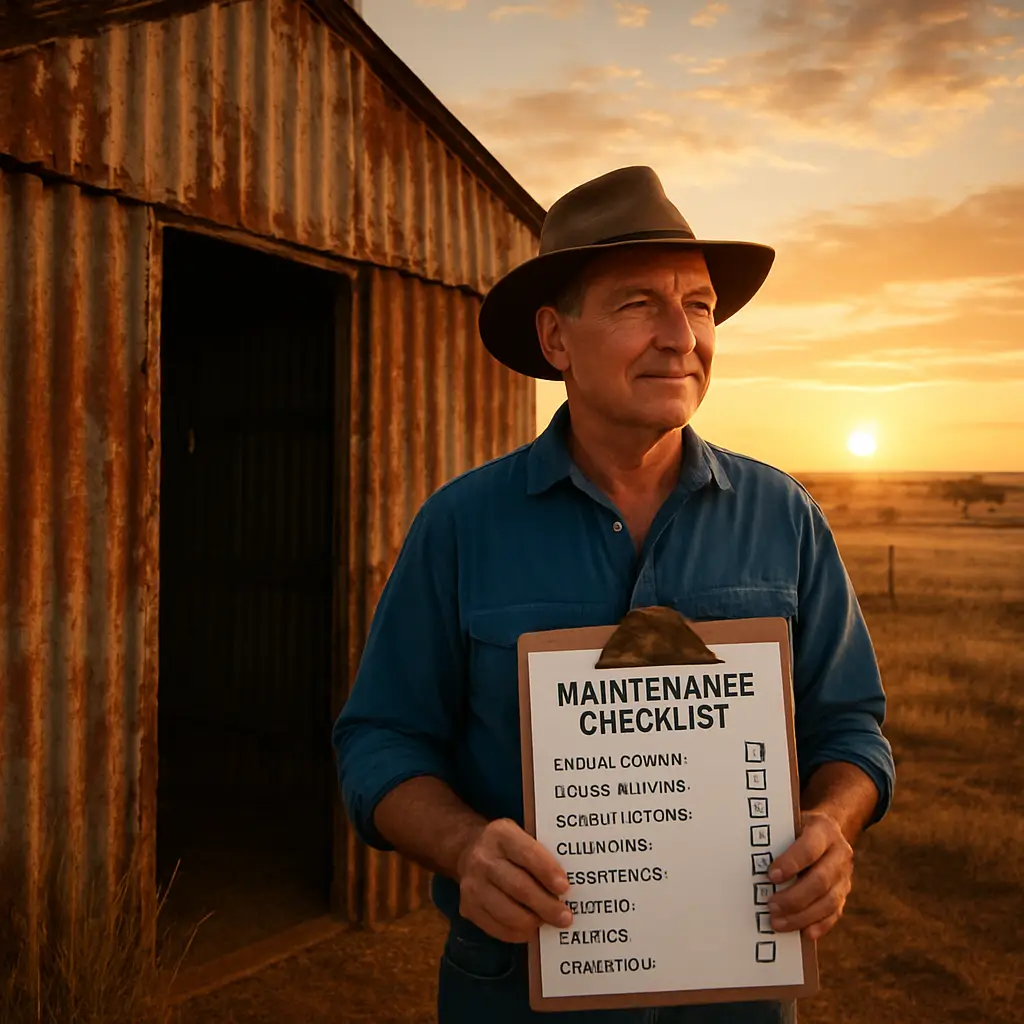
Ever walked past a rust‑stained shed and thought, “If only someone could sort that out before it collapses”? That’s the exact spot where a reliable maintenance builder becomes your best mate.
I’m Glen, with 35 years of hands‑on work across the New England and Far West of NSW, and I’ve seen how a simple repair can save a whole season’s headaches.
When a roof starts leaking right after a storm, you don’t have time to wait for a city contractor to drive in. You need a team that can roll a 4×4 through the gravel track, bring the right materials, and get the job done before the next rain hits.
That’s why a maintenance builder who understands rural logistics is worth its weight in gold. It’s not just about fixing a broken gate; it’s about keeping the farm running, the livestock safe, and the family’s peace of mind intact.
Think about the last time you postponed a bathroom upgrade because the nearest builder was too far. The water damage kept spreading, and soon you were facing a costly replacement. A local maintenance builder can spot the issue early and sort it while you’re still on the paddock.
We also know that every farm has its own rhythm – shearing in March, planting in May. A good builder works around those dates, not the other way round.
So, how do you know you’ve found the right maintenance builder? Look for a crew that talks in plain language, shows up in a sturdy 4×4, and offers a clear, written plan before the first nail is driven.
Another tell‑tale sign is a maintenance program that’s tailored, not a one‑size‑fits‑all checklist. Regular inspections, scheduled repairs, and a simple phone call for emergencies keep everything ticking over.
And here’s a little secret: the best builders keep a stock of weather‑proof cladding, rust‑free fixings, and quick‑dry concrete right on their trucks. That means they can start a repair the same day they arrive.
What does this mean for you? Less downtime, fewer surprise costs, and a property that stands up to the harsh outback conditions year after year.
Imagine finishing the season with a solid, dry shed, a fresh kitchen, and a bathroom that actually works – all because you partnered with a maintenance builder who gets rural life.
Ready to stop worrying about the next leak or cracked wall? Let’s have a chat, walk the property together, and map out a maintenance plan that fits your farm’s schedule and budget.
TL;DR
A reliable maintenance builder keeps your farm running smoothly by fixing leaks, repairing sheds, and handling emergencies before they cost you time or money. Partner with a local 4×4‑ready team like Awesim, and you’ll get on‑site fast, durable solutions that fit your seasonal schedule and protect your property year‑round.
Step 1: Assess Your Property’s Maintenance Needs
First thing’s first – before you call a maintenance builder, you need to know exactly what your farm is crying out for. Maybe it’s a rust‑eaten shed door that’s been sticking for months, or a gutter that’s about to give up after the last heavy rain. Whatever it is, the clearer the picture, the quicker a local crew can roll a 4×4 to the site and start fixing.
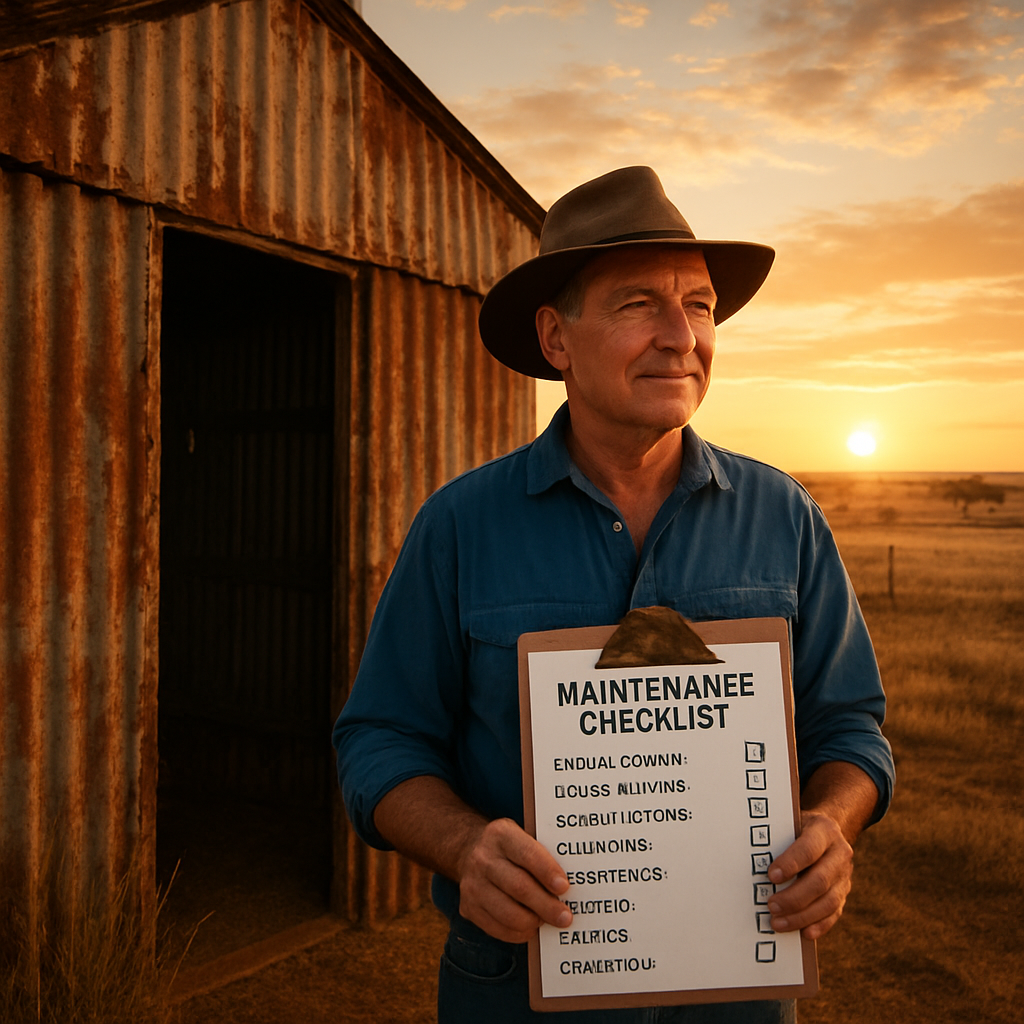
Grab a clipboard, a cup of tea, and walk the property like you’d walk a neighbour’s dog – slow enough to notice the little things, fast enough to keep the day moving. Start with the big‑ticket items: roof condition, drainage pathways, and any structural cracks you can see. Jot down the age of each component and the last time it was serviced. If you can’t remember, that’s a red flag and a perfect place to ask a maintenance builder for a fresh look.
Make a simple checklist
Don’t over‑complicate it. A three‑column table does the trick: Item, Current Condition, Urgency (High/Medium/Low). Put things like “barn door hinges”, “stormwater culvert”, “kitchen exhaust fan” in the list. When you rank urgency, think about what will stop you from getting work done on the farm – a leaking roof during shearing season is a high‑urgency item, while a cracked paint job on the shed can wait.
And here’s a tip most owners overlook: factor in seasonal wear and tear. In the hotter months the timber expands, in the wet season it contracts. Mark the months when each asset is most vulnerable. That way, when you talk to a maintenance builder, you can say, “I need the roof checked before March, and the fence repaired after the dry spell.”
Inspect with a purpose
Take a camera or your phone and snap photos of anything that looks worn, corroded or out of alignment. A quick picture of a water‑stained ceiling tells a builder more than a paragraph of description. When you’ve got the images, you can even email them to the crew ahead of the site visit – they’ll arrive prepared, tools in hand.
Don’t forget the hidden stuff: under‑floor ventilation, internal wiring, and the condition of any stored equipment. A maintenance builder who knows rural logistics will ask about these, but it helps if you’ve already flagged them.
Once you’ve got your checklist, it’s time to prioritize. Look at the items that could cause safety hazards or costly downtime first. If a gate is sagging and could let livestock escape, that jumps to the top of the list. If a gutter is clogged but the roof is solid, that can sit a week or two.
Now, pull everything together into a short, plain‑language brief. Something like, “We need the main barn roof inspected and repaired before the next storm, the north‑side fence reinforced by the end of May, and a quick check on the kitchen exhaust before the summer cook‑outs.” That brief is what you’ll hand to the maintenance builder – clear, concise, and ready to go.
Having a solid assessment in hand also makes it easier to compare quotes. You’ll know exactly what’s on the table, and you won’t be surprised by hidden costs later.
Need a practical example of how a maintenance plan looks? Check out our Farm Maintenance services page – it breaks down the same steps we just discussed, with real‑world photos from NSW farms.
While you’re mapping this out, you might also be thinking about the broader value of a well‑maintained property. A tidy, functional farm not only saves you money on emergency repairs, it also boosts resale value. If you ever decide to sell, a prospective buyer will see the same checklist you created and know the place has been cared for.
Speaking of value, a quick chat with a local real‑estate specialist can give you insight into how maintenance upgrades translate into market price. For example, Five Town Homes & Living often advises owners on which improvements are most attractive to buyers in regional NSW. You can read more about their services here.
After you’ve watched the short video, you’ll see a live demo of a builder walking a property and flagging maintenance spots. It’s a good visual reminder of why a systematic assessment matters.
Next up, you’ll want to turn that assessment into an actionable schedule – that’s Step 2. But for now, you’ve got a solid foundation: a clear checklist, photos, and a brief that any maintenance builder can understand.
Step 2: Planning & Budgeting for Rural Renovations
Step 2.1: List the jobs and get rough costs
Now that you’ve walked the paddock and spotted the squeaky hinges, the next move is to turn those observations into a realistic plan and a budget that actually works with your farm’s cash flow.
I like to sit down with a cup of tea and sketch a simple spreadsheet. Split it into three columns – what needs fixing, how much it’ll likely cost, and when you can realistically squeeze it into the season.
Don’t try to guess the price in your head. Pull three quotes for any job over $2,000 – a local hardware store, a licensed maintenance builder, and a fellow farmer who’s done it before. Jot down the low, medium and high figures. That range becomes your safety net when unexpected weather hits.
Step 2.2: Factor in permits and approvals
Flag any items that need a permit. In NSW, owner‑builder work over $10,000 usually triggers an approval process. A quick call to Service NSW saves you a nasty surprise later. Mark those in a separate “approval” column so they don’t get lost among the bolts and boards.
Step 2.3: Align with your farm calendar
Map the tasks onto your farm calendar. If you’re gearing up for lambing in August, push non‑essential roof work to the dry months of May–June. Conversely, schedule irrigation pump checks right after the summer rains when you can see any leaks straight away.
Step 2.4: Use the 70/20/10 budgeting rule
A handy trick is the 70/20/10 rule: 70 % of your budget goes to the big‑ticket items (roof replacement, structural repairs), 20 % to “soft” costs like paint, fasteners and waste disposal, and the final 10 % is a contingency fund. That little buffer is a lifesaver when a rusted bolt decides to snap on the day you’re about to start.
Step 2.5: Visualise with colour‑coded checklists
Turn the numbers into a visual checklist. Use colour‑coded sticky notes on your farm map – red for urgent, amber for soon, green for later. Walking the property with that map in hand makes it obvious which shed needs a new roof panel before the next thunderstorm.
Step 2.6: Account for travel and hidden costs
Don’t forget hidden costs. Transporting materials on a 4×4 to a remote outbuilding can add fuel and time charges. Ask your maintenance builder how they price travel – many charge a flat kilometre rate, which you can easily plug into your spreadsheet.
Step 2.7: Review and adjust each season
I always revisit the budget at the end of each season, compare actual spend against the estimate, and tweak the next year’s plan. That habit turns a one‑off spreadsheet into a living maintenance program that grows with your property.
Step 2.8: Financing and contingency
If the total figure feels steep, explore farm‑specific financing. Regional banks often offer short‑term renovation lines that tie repayments to your harvest cycle. Pairing a loan with the 10 % contingency means you won’t have to scramble for cash if a storm forces an extra repair mid‑season.
Step 2.9: DIY vs professional help
You might be tempted to DIY the low‑cost jobs, and that’s fine for simple fence repairs or repainting. But once you’re dealing with structural timber, roof trusses or any electrical work, bring a licensed maintenance builder on board. Their expertise keeps you safe and prevents costly re‑work down the track.
Step 2.10: Track everything for future leverage
Keep a simple log – date, task, cost, who did the work, and a before‑and‑after photo. Over time that log becomes a negotiation tool when you’re talking to suppliers or applying for future grants. It also makes insurance claims a breeze.
Step 3: Choosing the Right Materials & Suppliers
Alright, you’ve scoped the jobs, you’ve got a budget – now the real trick is picking the right bits and the right folks to bring them to you.
Ever walked into a shed and thought the cladding looked like it survived a cyclone from the 80s? That’s a tell‑tale sign you’re not using material that matches the outback’s wear and tear.
Know your climate and site conditions
First thing’s first – what does your corner of NSW actually throw at you? Hot, dry summers in the Far West demand UV‑stable roofing, while the New England highlands need something that won’t rust at the first heavy rain.
A quick way to decide is to list the three biggest threats for each building: sun, wind, moisture. Then match them to a material rating. For example, Colourbond steel with a 20‑year warranty is a safe bet for roof panels that get baked for months.
Match material performance to the job
Don’t be fooled by the cheapest price tag. A $30 timber fence post might save a few dollars now, but if it splinters after a summer storm you’ll be paying for replacement labour twice over.
Think about durability, maintenance and repair cycles. A concrete slab with a polymer‑modified mix resists cracking on expansive soils, while a simple sand‑and‑cement slab can shift under heavy cattle traffic.
Check supplier credentials – it’s not just about price
When you call a supplier, ask for their stock turnover rate. A vendor who moves product every few weeks is less likely to have rust‑eaten bolts or outdated sealants sitting on their shelves.
Ask for references from other rural builders – the ones who have used their steel, fixings and waterproofing on farms similar to yours. A quick phone call can reveal whether they understand 4×4 loading limits and remote delivery challenges.
Factor in logistics – the 4×4 advantage
Even the best‑spec’d material is useless if it never reaches the site. Ask the supplier if they can load onto a 4×4 truck and whether they offer a “last‑kilometre” delivery service.
Some suppliers will even pre‑cut roof trusses to the exact span you need, saving you hours of on‑site measuring and reducing waste.
Get samples and do a “stay‑test”
Before you commit to a full order, ask for a small sample – a metre of cladding, a handful of fixings, a slab of concrete mix. Take it out to the field, expose it to the sun for a day, then check for colour fade or brittleness.
If the sample feels right, you’ve saved yourself a costly mistake before the first nail is driven.
Build a shortlist and compare
Make a simple spreadsheet: Supplier, Material, Price per unit, Delivery time, Warranty, Notes.
Put a check next to any supplier who offers a written guarantee that they’ll replace rusted fasteners within 12 months. Those little warranties often make the difference between a smooth build and a headache later.
Don’t forget the “soft” supplies
Fasteners, sealants and primers are the unsung heroes of any farm repair. A cheap, low‑grade screw will corrode faster than the metal sheathing it’s supposed to hold.
Stick to stainless‑steel or Galvanised fixings that are rated for outdoor use. And always keep a small “emergency kit” on the truck – extra flashing, weather‑proof tape and a couple of spare concrete bags can keep you moving when the next storm hits.
So, what’s the next step? Grab a notebook, walk the property with a pen, and start ticking off the list above. The right materials and the right supplier will turn a chaotic repair schedule into a smooth, predictable routine – and that’s exactly what a reliable maintenance builder delivers.
Step 4: Managing Builders & Contractors
You’ve got the right materials and a solid budget, but the real magic happens when you actually manage the crew that turns plans into walls.
Set crystal‑clear expectations up front
First thing – sit down with your maintenance builder and walk through a written scope. List every task, the finish quality you expect, and the exact dates you need it done. A one‑page checklist beats a vague chat any day.
Do you remember the time a builder said “we’ll finish by Friday” and then disappeared until the next Tuesday? Writing the deadline in black ink (or a shared Google Sheet) removes that guesswork.
Agree on a realistic timeline – then protect it
Rural projects always have hidden variables: sudden rain, a busted ute, or a road wash‑out. Ask the builder to add a small buffer – maybe two extra days – for each major milestone. That way, when a storm hits, you won’t be scrambling for a new crew.
Tip: ask for a simple Gantt‑style visual, even if it’s just coloured sticky notes on a farm map. You’ll instantly see where the 4×4 will be loading materials and where the crew will be on site.
Keep communication tight, but friendly
Every morning, send a quick text: “Morning, what’s the plan for today?” It sounds almost silly, but those two words keep everyone aligned and give you a chance to flag any new safety concerns.
And when something goes sideways – say a delivery delay – be honest about the impact on the schedule. Builders respect a homeowner who owns the problem instead of pointing fingers.
Track progress with a living log
Grab a small notebook or a phone app and note the start and finish time of each task, any issues, and the material batch numbers you see on site. When the job’s done, that log becomes proof if you ever need to claim warranty work.
It also helps the builder see where they’re excelling or where they might need extra hands for the next job.
Handle changes with a formal variation process
Mid‑project tweaks are inevitable – maybe you decide the shed needs an extra vent or a different colour cladding. Instead of a casual “oh, can we add that?” write a variation request: describe the change, cost impact, and new deadline. Get the builder’s signature before work starts.
This prevents surprise invoices and keeps the relationship professional.
Know your rights and the builder’s obligations
In NSW, a maintenance builder is expected to carry out “reasonable” repairs – meaning the work should suit the age of the building and the rent you pay if it’s a rental property. If a builder refuses a legitimate fix, you can refer to the Residential Tenancies Act, which defines what counts as reasonable repair according to the Tenants’ Union of NSW.
That doesn’t mean you can demand a brand‑new roof on a 30‑year‑old shed, but it does give you a solid footing when discussing scope.
Final walkthrough – the moment of truth
When the crew says “all done,” walk the site with a checklist you used at the start. Test doors, open windows, check that all fasteners are stainless‑steel, and confirm the concrete has set properly.
If something feels off, note it on the spot and ask the builder to fix it before they pack up. A quick “let’s double‑check the flashing around the roof vent” saves a leak later on.
Leave a good review – and a clear handover
Once everything passes, ask the builder for a written handover sheet that lists warranties, maintenance schedules, and contact details for future calls. Then, give them a fair five‑star review if they earned it. A good reputation means they’ll be more likely to give you priority when the next storm rolls in.
Managing a maintenance builder isn’t about micromanaging every nail; it’s about setting the stage, staying in touch, and keeping a simple record. Do those things, and you’ll turn a potentially stressful build into a smooth, predictable part of your farm’s routine.
Step 5: Maintaining Farm Sheds & Outbuildings
After the big fixes are done, the real secret to a shed that lasts is the little things you do every season. Think of it like changing the oil on a tractor – you don’t wait until it seizes.
Create a quick‑look calendar
Grab a farm diary or a simple spreadsheet and colour‑code three slots: spring (pre‑rain), summer (high heat) and autumn (post‑harvest). In each slot tick off a handful of checks – roof gutters, door hinges, concrete footing, and any metal cladding.
Why colour? Because when you’re out on a milking run, a red dot on the page instantly tells you “this needs attention now”.
Inspect the usual suspects
Start with the roof. Look for rusted screws, loose panels, or water stains on the interior walls. A single rust spot can turn into a leak that drips into stored grain.
Next, swing the doors open and shut. If a hinge squeaks or a latch sticks, it’s usually a worn washer or a bent bolt – cheap to fix, big on safety.
Don’t forget the base. Walk around the perimeter and tap the concrete slab. A hollow sound means a void underneath, which could let water pool and crack the slab later.
Does this sound like a lot? It’s actually just five minutes per building if you keep a checklist handy.
Quick fixes you can do yourself
- Replace rusted screws with stainless‑steel fasteners – they’ll survive the salty coastal breezes in the north.
- Apply a bead of UV‑resistant sealant around roof flashings – it stops water from sneaking in after the next storm.
- Lubricate hinges with a spray oil; a quick spray prevents rust and keeps doors swinging smoothly.
- Patch small concrete chips with a polymer‑modified mix; it hardens faster and resists future cracking.
These jobs take less than half an hour and you can keep the supplies in the back of your 4×4.
When to call a maintenance builder
If you spot a sagging roof truss, a cracked load‑bearing wall, or any electrical wiring that looks old, it’s time to pull in a professional. A maintenance builder who knows rural sites will bring the right tools, confirm that the fix meets Australian standards, and give you a written handover sheet for future reference.
Remember the rule of thumb: if the repair could affect livestock safety or the structural integrity of the building, don’t DIY.
| Task | Recommended Frequency | Who should do it |
|---|---|---|
| Roof gutter clearing & screw check | Spring & after heavy rain | Owner (quick) or maintenance builder (large sheds) |
| Door hinge lubrication & latch repair | Quarterly | Owner |
| Concrete slab inspection & patch | Annually (post‑winter) | Maintenance builder |
| Cladding rust treatment | Every 2 years | Owner (apply sealant) or builder (replace panels) |
Stick this table on the wall of your shed office – you’ll glance at it and know exactly what to do next.
Finally, keep a small “maintenance kit” in your 4×4: a pack of stainless‑steel screws, a tube of UV sealant, a roll of heavy‑duty tape, and a bag of polymer‑mix concrete. When a problem shows up, you’re already prepared and the fix won’t slip off your to‑do list.
So, what’s the next step? Grab that diary, set your colour codes, and schedule your first spring walk‑through. A well‑maintained shed means fewer emergencies, lower costs, and more time for the things that really matter on the farm.
Step 6: Ongoing Property Care & Seasonal Checklist
Alright, you’ve got the big jobs done, the concrete patched, the cladding sealed. Now the real trick is keeping that momentum going all year round. A seasonal checklist isn’t just a to‑do list – it’s the habit that stops a tiny rust spot from becoming a shed‑collapse nightmare.
Why a Seasonal Checklist Matters
Think about the last time a storm caught you off guard. You probably wished you’d checked the gutter screws after the previous rain. A regular rhythm of inspections gives you that “I’m ahead of the game” feeling, and it saves you money when the next thunderhead rolls in.
In fact, the NSW Department of Primary Industries recommends a written maintenance schedule for any leased or owned structure to ensure tidy, safe conditions as outlined in their guidelines. The same principle works for farms – just swap fish pens for sheds.
Build Your Calendar
Grab the farm diary you already use for planting and stock rotations. Colour‑code three buckets: red for “must‑do now”, amber for “within the next month”, green for “once a year”. Stick a sticky‑note on the front page that says “Seasonal Check – 5 min per building”. That visual cue turns a vague idea into a concrete habit.
When you schedule, think in terms of what the weather will do to each component. Roofs hate standing water, doors hate humidity, concrete hates freeze‑thaw cycles. Align the work to the season that naturally protects it.
Spring – Prep for the Rains
First thing after the croc‑season, walk every roof and clear out leaves, twigs, and any old netting. Give every gutter a quick screw‑tighten – a loose screw is a cheap invitation for water to slip through.
Check door hinges and latch bolts while the air’s still dry. A little spray oil now stops a squeak later, and it’s easier to lubricate when the metal isn’t sticky from mud.
Summer – Beat the Heat
High UV can break down sealants fast. Spot‑check the roof flashings and any exposed metal cladding. If the sealant looks chalky, pull a fresh bead of UV‑resistant sealant from your kit.
Concrete slabs can crack under intense heat. Walk the perimeter, tap each slab – a hollow thump means a void that could fill with water when the next rain hits. Patch any chips with polymer‑mix concrete now, before the sun softens the bond.
Autumn – Clean‑up & Review
After the harvest, give the building a once‑over. Look for stray nails, rusted fasteners, or any new cracks that appeared over summer. This is also a good time to review your maintenance log – note what you fixed and what still needs a builder’s attention.
If you spot a larger structural issue – a sagging roof truss or a cracked load‑bearing wall – flag it for a professional maintenance builder. Early detection means a smaller job and less downtime during the busy winter months.
Winter – Protect the Core
Cold nights bring condensation, which loves to hide in corners. Open every door and window for a quick air‑out, then wipe down any moisture on metal surfaces. Give the exterior timber a light coat of weather‑proof oil – it’ll keep the wood from swelling when the first thaw hits.
Finally, do a quick visual scan of the entire property from your 4×4. Look for any wind‑blown debris that could act as a lever on doors or windows. A few minutes now prevents a broken latch when you need the shed for winter stock.
Quick‑Reference Checklist
- Spring: gutter clear, screw tighten, hinge lubricate.
- Summer: sealant check, UV‑seal, concrete tap test, patch chips.
- Autumn: nail & rust sweep, log review, flag major issues.
- Winter: moisture wipe, timber oil, 4×4 visual sweep.
Print this list, tape it to the back of your shed office, and you’ll never wonder “what’s next?” again.
So, what’s the next move? Pull out that diary, colour‑code your months, and take a 5‑minute walk around the first building today. A little habit now means a lot fewer emergency calls later, and you’ll have more time for the things that really matter on the farm.

FAQ
What exactly does a maintenance builder do on a farm?
A maintenance builder on a farm is your on‑site handyman who specialises in fixing, upgrading and keeping every structure – from the main house to the smallest shed – running smoothly. They’ll patch roof leaks, replace rusted hinges, reinforce load‑bearing walls, and even fit new kitchen or bathroom units, all while working around your planting or shearing schedule. Because they travel in a 4×4, they can reach remote outbuildings that a typical city contractor would simply skip.
How often should I schedule a maintenance builder to visit my property?
Most farms benefit from a twice‑a‑year check‑up – once in spring before the rains and again in autumn after the harvest. During the spring visit the builder will clear gutters, tighten loose screws and lubricate hinges, while the autumn round focuses on spotting wear, resealing flashings and inspecting concrete slabs for frost damage. If you’ve had recent storms or notice a leak, don’t wait; book a visit as soon as possible.
What should I look for when choosing a maintenance builder for my remote farm?
First, ask whether they have a 4×4 work vehicle and stock of weather‑proof materials – that’s the difference between a promise and a job done the same day. Next, check they hold the proper licences for structural, roofing and electrical work in NSW; you don’t want a handyman who can’t sign off a compliance certificate. Finally, look for clear, written quotes and a maintenance plan that maps tasks to your seasonal calendar.
Can a maintenance builder help with bathroom renovations on a rural property?
Absolutely. Because they understand the quirks of farm life – like limited water pressure or the need for extra venting in dusty environments – a maintenance builder can design a bathroom that’s both sturdy and easy to clean. They’ll install moisture‑resistant tiles, waterproof membranes and low‑flow fixtures, and they’ll make sure all work meets the NSW building code, so you avoid future leaks or compliance headaches.
How does a maintenance builder keep costs predictable for seasonal projects?
A good builder will start with a simple, written scope that breaks each task into material, labour and travel components. They’ll give you a colour‑coded quote – for example, red for urgent storm repairs, amber for upcoming summer work and green for low‑priority winter tasks – so you can budget around harvest cash flow. Most also include a 10 % contingency, which cushions any surprise price jumps without blowing your budget.
What are the signs that my shed needs a maintenance builder’s attention right now?
If you hear a rhythmic drip after the last rain, notice rust spreading on metal cladding, or find a door that sticks and won’t close fully, those are red flags. Also, any cracks in a concrete slab that let water pool, warped roof trusses, or loose fasteners that rattle when you drive your 4×4 nearby are signs the structure is losing its integrity. Call a maintenance builder before the problem snowballs.
Is it worth setting up a regular maintenance program with a builder, or should I handle repairs myself?
If you enjoy getting your hands dirty and the jobs are simple – like tightening a few screws or applying sealant – DIY can save a few dollars. But once you step into structural repairs, roof replacements or any work that involves electricity, you’re risking safety and future costs if it isn’t done to code. A regular maintenance program gives you a scheduled checklist, priority response when storms hit, and the peace of mind that a qualified maintenance builder is keeping your property compliant and durable.
Conclusion
After walking through everything from spotting the first drip to setting up a seasonal checklist, the picture is clear: a reliable maintenance builder is the difference between a farm that runs smooth and one that stalls at the first storm.
Think about the last time you delayed a simple screw replacement – did the rust spread, forcing a costly roof repair? That’s the kind of ripple effect a proactive builder helps you avoid.
When you partner with a builder who knows the quirks of NSW’s outback, you get more than a tradesperson; you get a neighbour who can roll a 4×4 into the hardest‑to‑reach paddock, bring the right materials, and finish on schedule.
So, what’s the next step? Grab your maintenance log, flag the three tasks that could cause trouble this season, and give Awesim Building Contractors a call. A quick on‑site assessment will turn those red‑flag items into a simple action plan.
Remember, the best defence against surprise repairs is a habit – a few minutes each season, a clear checklist, and a builder you trust. Keep that habit, and you’ll spend more time on the farm and less time worrying about what might break.
And when the rain finally comes, you’ll know exactly who to call and what to expect.




1 Comment