

Ever walked through an ageing farmhouse and felt that mix of nostalgia and frustration, thinking the kitchen could use a fresh layout but the old timber walls are holding you back?
You’re not alone. Most farm owners I meet in Tamworth or Inverell start their farm house renovation by staring at the same cracked plaster, wondering whether it’s worth the hassle to modernise while still keeping the country charm.
Here’s the thing: a successful farm house renovation isn’t just about swapping out tiles or painting the porch. It’s about blending durability for harsh NSW weather with the practical flow you need for daily chores, livestock routines, and weekend family gatherings.
In our experience at Awesim Building Contractors, the first step is always a simple on‑site walk‑through. We watch how you move from the shed to the kitchen, how the laundry sits under the eaves, and where the morning sunlight hits the breakfast nook. That tiny observation often reveals the biggest opportunity – maybe a wider doorway for a wheelbarrow, or a raised verandah to keep the floor dry during the wet season.
So, what should you look for when you start planning? Think about the three pillars that keep a farmhouse functional: weather‑proofing, workflow, and future‑proofing. Weather‑proofing means choosing cladding and roofing that can stand off a sudden summer storm or a winter freeze. Workflow is all about positioning the kitchen bench near the utility sink so you can rinse tools without trekking across the yard. Future‑proofing might be adding extra power points for new farm equipment or leaving space for a solar panel array.
Does it feel overwhelming? It can be especially when you’re juggling harvest schedules and cattle rounds. That’s why a clear, step‑by‑step plan helps – list the must‑haves, set a realistic budget, and line up a builder who understands remote 4×4 access.
By the end of this guide you’ll have a roadmap that turns that tired old farmhouse into a resilient, comfortable hub for work and life, without losing the character that makes it yours.
TL;DR
A farm house renovation is all about turning a tired, weather‑worn homestead into a sturdy, functional space that still feels like home, by focusing on weather‑proofing, smart workflow and future‑proofing upgrades. Follow our step‑by‑step guide to prioritise the must‑haves, set a realistic budget and partner with a local rural builder who knows NSW’s harsh conditions, so you can finish confidently and enjoy the refreshed farmhouse year‑round.
Step 1: Assess the Property and Set a Renovation Budget
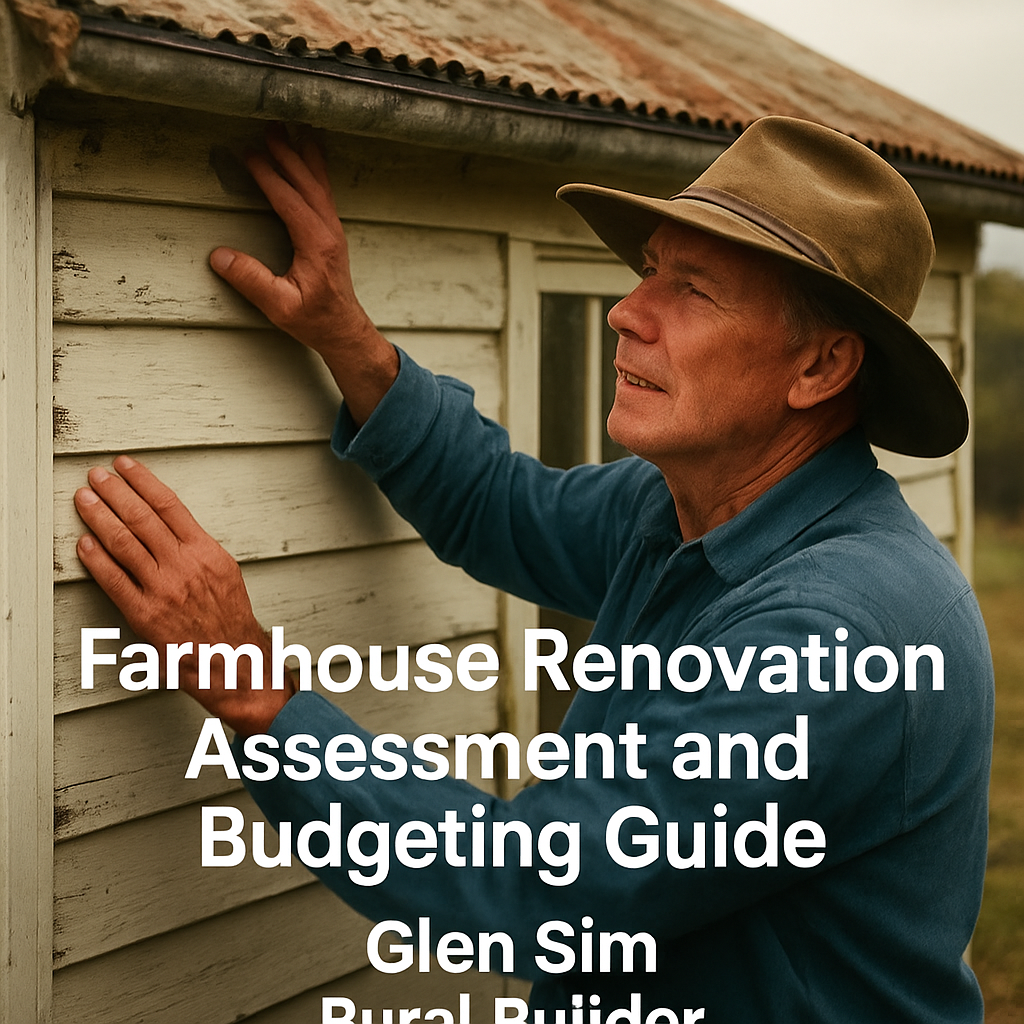
First thing’s first – before you even think about ordering new tiles, you need to walk the land and feel the house. I remember standing on a cracked porch in Inverell, wind whipping the dust, and wondering whether the whole roof would survive the next summer thunderstorm. That moment of recognition is the spark for a realistic budget.
Grab a notebook, a tape measure, and a good pair of boots. Start at the front door and note every pain point: sagging eaves, drafty windows, a kitchen that forces you to tip a wheelbarrow around the fridge. Jot down the condition of the cladding, the roof’s age, and any signs of water‑damage. These observations become the data you’ll use to allocate money where it matters most.
Map out the big‑ticket items
In most farm house renovations the biggest chunk of the budget goes to weather‑proofing – roof replacement, new guttering, and upgraded cladding. Harsh NSW weather doesn’t forgive cheap fixes, so give these items priority. Next, think about workflow: does the laundry sit under the kitchen sink? If not, you’ll probably budget for a utility sink relocation. Finally, future‑proofing – extra power points, solar‑ready wiring, or space for a rainwater tank – can be slipped in now to save you a costly retrofit later.
Here’s a quick checklist to keep you on track:
- Roof: age, material, condition of flashings.
- Cladding & external walls: rot, termite damage, insulation.
- Windows & doors: seal integrity, security shutters (consider a specialist like Monroe Plantation Shutter Pros for extra protection).
- Floor levels: any rise or dip that could cause water pooling?
- Utility layout: kitchen‑laundry flow, power points, plumbing access.
Once you’ve got that list, assign a rough cost range to each item. Don’t worry about exact figures yet – use online calculators or ask your local supplier for ball‑park numbers. The goal is to see the shape of the total spend.
Set a realistic budget ceiling
Now, sit down with your spreadsheet (or a good old‑fashioned paper ledger) and total those ranges. Add a contingency buffer – I always recommend 10‑15% for the unexpected, because on a remote farm you’ll discover hidden issues faster than you can say “budget overrun”.
In our experience, a well‑planned budget that respects the three pillars – weather‑proofing, workflow, future‑proofing – keeps the project on track and stops you from chasing every shiny new idea that pops up mid‑renovation.
Need a deeper dive into what a full‑scale farm renovation looks like? Check out our Farm Renovations for Rural & Remote NSW page for case studies and cost guides.
Once your numbers are in, rank the items by “must‑have” versus “nice‑to‑have”. That hierarchy will guide the phasing of the work – you might tackle the roof and cladding first, then move on to interior flow improvements once the building envelope is sealed.
And remember, budgeting isn’t a one‑time thing. As you get quotes from builders or suppliers, feed those actual costs back into your spreadsheet. Adjust the contingency if you’re seeing lower‑than‑expected prices, or bump it up if a hidden structural issue surfaces.
Here’s a simple formula that works for many of our clients:
Total of must‑have items + 12% contingency = Project baseline. Anything left over can be allocated to the “nice‑to‑have” bucket, like a custom pantry or upgraded lighting.
So, what’s the next step? Walk the property, list every flaw, assign rough costs, add a buffer, and you’ll have a clear, actionable budget that feels doable rather than daunting.
Watch the video above for a visual walk‑through of a typical farm house assessment – you’ll see exactly where to look for hidden moisture and structural stress points.
Step 2: Plan the Design – Balancing Heritage Charm with Modern Function
Alright, you’ve got your budget and a clear list of what needs fixing – now it’s time to let the farmhouse’s personality shine through while you slip in the comforts you actually need. Picture yourself sipping a cold drink on the verandah, the old timber sighing under your weight, but the kitchen lights up with LED brilliance the moment you walk in. That blend of nostalgia and practicality is what we’re after.
Define your vision
Start by writing down the feelings you want each space to evoke. Does the sitting room need to feel like a cosy country lodge, or would a brighter, open‑plan vibe serve your family better? Sketch a quick mood board – a few photos of heritage farms you love, a swatch of reclaimed timber, and a splash of modern fixtures. In our experience, a simple visual guide keeps the designer and the builder on the same page, especially when you’re juggling a busy farm schedule.
Map the flow of daily life
Think about the way you move through the property on a typical day. Where do you drop a bucket of water after the trough? Where does the wheelbarrow park while you load feed? Plot these “high‑traffic arteries” on graph paper or a free online floor‑plan tool. Then, ask yourself: can the new layout shorten that walk? A wider doorway between the laundry and the kitchen, for instance, can shave minutes off your morning routine – minutes that add up over a season.
Don’t forget the seasonal swings. During shearing, you might need a temporary staging area; during harvest, a clear path for equipment. Designing with these peaks in mind prevents you from having to re‑configure later.
Choose materials that respect the past
Heritage charm lives in the details – weathered timber, brick nogging, hand‑crafted ironwork. But those same details can be high‑maintenance if you don’t pick the right finishes. Look for fibre‑cement cladding that mimics timber but resists rot, or reclaimed hardwood that’s been kiln‑dried for stability. In the Riverina, we’ve seen owners install reclaimed porch boards over a steel sub‑frame – the look stays authentic, the structure stays strong against the occasional storm.
When you choose windows, consider double‑glazed timber frames. They keep the classic look but slash heat loss, which is a win for both comfort and the electricity bill.
That short video walks through a real farm house renovation where the owner kept the original stone façade while re‑configuring the interior for a modern open‑plan kitchen. Notice how the new island respects the original hearth’s centre line – a subtle nod to the past that doesn’t compromise on function.
Integrate modern comforts discreetly
Smart home tech, energy‑efficient appliances, and insulated roofing can all be hidden behind period‑appropriate trims. For example, a slim solar‑roof tile can sit under a corrugated iron roof without altering the silhouette. Likewise, a recessed ceiling fan painted to match the plaster can provide summer relief without a glaring modern fixture.
When you pick fixtures, ask yourself: will this piece age gracefully? A brushed‑nickel tap might look sleek now, but a brushed bronze finish will likely sit better with a rustic kitchen over the next decade.
Create a design checklist
Before you hand anything to a draftsman, run through this quick list:
- Heritage elements you must keep (e.g., original timber beams, brickwork).
- Modern upgrades you need (e.g., insulation R‑value, LED lighting).
- Space‑flow priorities (e.g., kitchen‑laundry proximity, wide doorways for equipment).
- Material choices that blend old and new (e.g., fibre‑cement that looks like timber).
- Budget allocation for “must‑have” vs “nice‑to‑have” items.
Cross‑checking this list with your on‑site notes will catch any surprises before the first line is drawn. And if you’re working with a builder who knows how to navigate 4×4 access on remote properties – like us at Awesim – the transition from design to build becomes a lot smoother.
Bottom line: a solid design plan respects the farmhouse’s story while giving you the functionality you need to run a modern farm. Take a moment now, jot down those must‑keep features, sketch the flow, pick a few heritage‑friendly materials, and you’ll have a roadmap that feels both nostalgic and future‑ready.
Step 3: Navigate NSW Building Regulations and Permits
Alright, you’ve got your budget and design nailed down – now it’s time to wrestle with the paperwork. I know, “permits” sounds like a bureaucratic nightmare, but in NSW a farm house renovation can’t move forward without ticking a few boxes. The good news? Most of the red tape is predictable once you know where to look.
Know which authority to approach
First off, figure out whether your project falls under a development application (DA) or a simpler compliance certificate. A DA is required for major changes – new extensions, structural alterations, or anything that touches the roof line. Smaller tasks like swapping windows or adding a garden shed usually just need a complying development certificate (CDC) from your local council.
In rural NSW, the councils you’ll be dealing with are often the Tamworth Regional Council, Gunnedah Shire, or Inverell Shire, depending on your location. A quick call to the council’s building department can save you days of guessing.
Gather the essential documents
When you talk to the council, have these items ready:
- Site plan showing property boundaries, setbacks, and existing structures.
- Detailed floor plans and elevations of the proposed renovation.
- Structural engineering sign‑off if you’re moving load‑bearing walls or adding a new roof.
- Energy efficiency statement – NSW requires a minimum R‑value for walls and roof insulation.
- Stormwater management plan if your works affect drainage.
Having a complete packet means the council can process your application in one go, rather than sending you back for “more info.”
Understand the timeline and fees
Typical DA processing takes 4‑6 weeks, but rural councils can be slower during peak agricultural seasons when staff are tied up with land‑use enquiries. Budget for the application fee – it’s usually a few hundred dollars, plus any fees for plan checks or engineering certification.
If you’re on a tight schedule, ask about the “expedited” route. Some councils offer a fast‑track service for an extra charge, which can cut the wait down to 2‑3 weeks.
Comply with heritage and bushfire rules
Many farm houses sit on heritage‑listed land or in designated bushfire zones. If your property is heritage‑protected, you’ll need a heritage impact statement and approval from the NSW Heritage Council before any external alterations.
For bushfire‑prone areas, the NSW Rural Fire Service mandates specific construction standards – non‑combustible cladding, ember‑proof vents, and a minimum roof pitch. Ignoring these can not only delay your permit but also expose you to hefty fines.
Use a local building certifier
Hiring a registered certifier who knows rural NSW regulations is a shortcut worth the cost. They’ll liaise with the council, ensure your plans meet the Building Code of Australia, and sign off the final inspection. In our experience, a certifier can spot a missing detail (like a required fire‑break) before it becomes a roadblock.
Checklist before you submit
- Confirm your project classification (DA vs CDC).
- Secure structural engineer sign‑off where needed.
- Prepare site plan with accurate setbacks – usually 6 m from side boundaries for extensions.
- Gather all council‑specific forms and fee schedules.
- Schedule a pre‑application meeting with the council’s planning officer.
- Keep a copy of every document for your records.
Cross‑checking this list on the morning of submission feels like a safety net – you’ll catch the little things that otherwise cause back‑and‑forth.
What happens after approval?
Once the council signs off, you’ll receive a permit letter with conditions. Common conditions include:
- Working hours – usually 7 am to 5 pm on weekdays to avoid disturbing neighbours.
- Stormwater management – you may need to install a sediment trap.
- Final inspection – a certifier will visit once the work is done to issue a compliance certificate.
Stick to those conditions, and the handover will be smooth. If a condition surprises you, don’t hesitate to ask the certifier for clarification – it’s better to sort it out now than to face a stop‑work order later.
Final tip: Keep the paperwork alive
Store all approvals, engineer reports, and inspection notes in a dedicated “renovation folder” – either a physical binder kept in the shed or a cloud folder you can pull up on your phone. When it’s time to sell or refinance, that folder becomes proof that every nail was installed to code, which can boost your property’s value.
Bottom line: navigating NSW building regulations doesn’t have to be a headache. Treat the permit process like a checklist, lean on local expertise, and you’ll keep your farm house renovation on track without surprise roadblocks.
Step 4: Choose Materials and Contractors for Rural Durability
When you’ve nailed the budget and the design, the next hurdle is picking stuff that actually survives a NSW summer thunderstorm, a winter frosty night, and the occasional dusty wind that whips across the paddock. That’s why the right materials and the right hands on deck matter more than any glossy showroom finish.
Know the climate, then the product
First, ask yourself: does your farmhouse sit on a hill that catches the wind, or in a low‑lying flood‑plain? Is it in a declared bushfire‑prone zone? Those answers dictate whether you go for fibre‑cement cladding, steel roof decking, or a hybrid that mimics timber but won’t rot.
In our experience, fibre‑cement sheets with a timber grain finish give you the rustic look you love while standing up to 60 km/h gusts and the occasional ember attack. They’re also easier to maintain than traditional weatherboard – a simple power‑wash once a year keeps them looking fresh.
For roofing, think beyond corrugated iron. Galvanised steel with a reflective coating cuts heat gain by up to 30 % and still meets the Rural Fire Service’s non‑combustible requirement. Pair it with an under‑roof insulation blanket of at least R‑2.5 to keep the attic cool in January and warm in July.
Pick finishes that laugh at wear and tear
Flooring in a kitchen or laundry sees more foot traffic than a city apartment’s living room. Concrete slabs with a brushed sealant handle heavy farm equipment and are surprisingly comfortable underfoot. If you prefer timber, choose a dense hardwood like spotted gum, then apply a marine‑grade varnish – it’ll shrug off spills and the occasional stray boot.
Bathrooms are another hidden battleground. Tile backer boards with a waterproof membrane protect the sub‑floor from water seepage, and porcelain tiles with a low slip rating stay safe when the kids or the dog splash about after a rainstorm.
How to vet a contractor who gets rural life
Now, the people who install those materials need to understand 4×4 access, dusty sites, and the need to finish before the next rain window closes. Start by asking three simple questions:
- Do you have a 4×4 work vehicle and experience reaching properties beyond sealed roads?
- Can you provide references from at least two recent farm house renovation projects in the New England or North West Slopes?
- Are you familiar with the local council’s bushfire‑zone specifications and the NSW Rural Fire Service guidelines?
A contractor who can answer “yes” and point you to a nearby client in Tamworth or Inverell is already a strong candidate.
Don’t forget to check licences. In NSW, a builder must hold a Home Building Licence (HB 1) for residential work and a contractor’s licence for any structural changes. Ask to see the licence number and verify it on the NSW Fair Trading website – a quick phone call can save you weeks of re‑work.
Checklist before you sign the contract
- Scope of work written in plain language – no vague “materials to be determined” clauses.
- Clear payment schedule tied to milestones (e.g., 30 % deposit, 40 % after framing, 30 % on completion).
- Warranty terms – at least 12 months for workmanship, plus manufacturer warranties for cladding, roofing, and flooring.
- Insurance proof – public liability and workers’ compensation.
- Site access plan – how the crew will park the 4×4, store materials, and protect existing crops or livestock.
When you walk the site with the contractor, bring a notebook and a camera. Snap the exact spot where the new roof will join the existing ridge, note any low‑lying gutters that might need upsizing, and ask “what could go wrong here?” The best builders will flag potential issues before they become costly fixes.
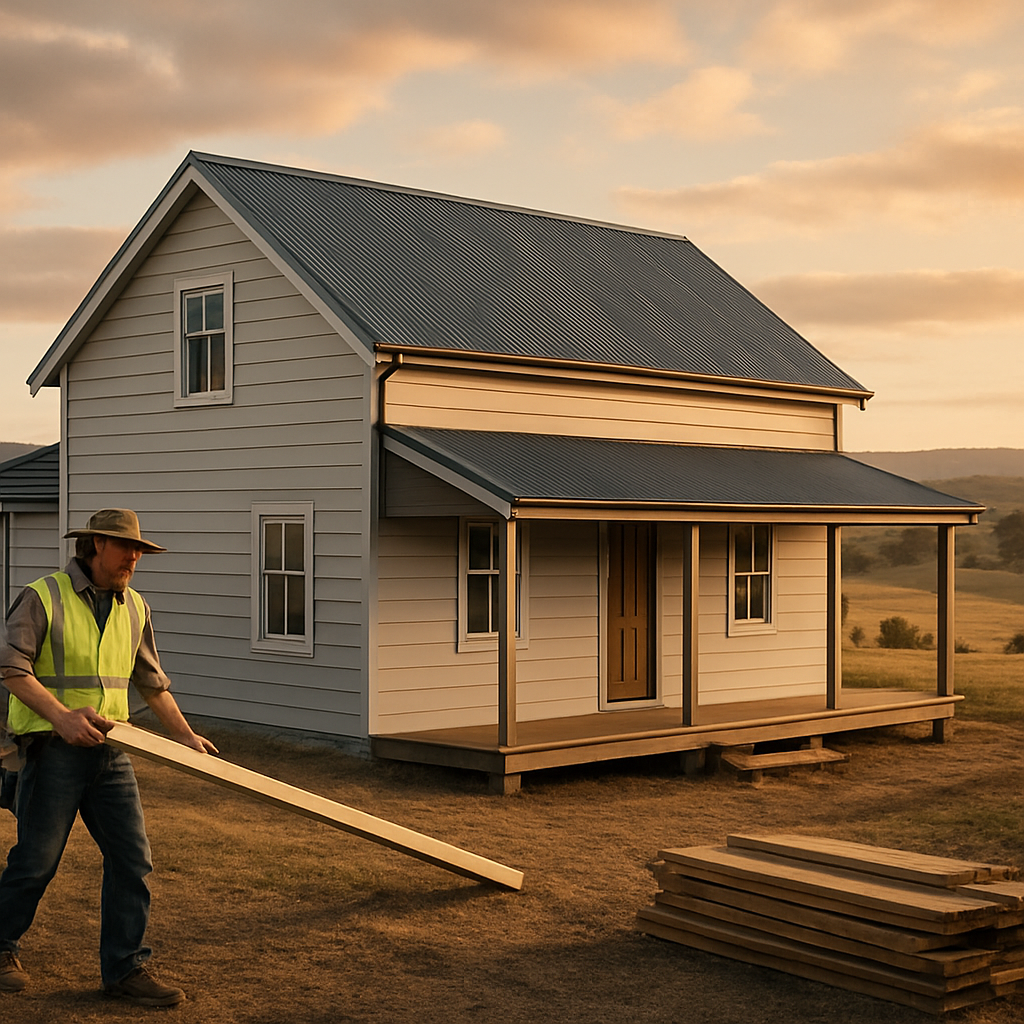
One of our recent projects in Gunnedah showed why this matters. The homeowner wanted a new verandah extension. We specified a steel frame with fibre‑cement cladding, then asked the builder to confirm that his crew could deliver the steel beams through a 6 m gravel track. He arranged a 4×4 crane, saved a day of hauling, and the verandah was up before the first heavy rain of the season hit.
Bottom line: choosing durable, climate‑appropriate materials and a contractor who lives the rural reality is the secret sauce for a farm house renovation that lasts. Take the time to match product specs to your local weather, vet the builder on 4×4 access and licence credentials, and lock in a detailed contract. Your future self – and your neighbour admiring the finished façade – will thank you.
Step 5: Execute the Renovation – Timeline, Phases, and Quality Checks
Alright, you’ve got the budget, the design, and a solid crew on board. The next question is: how do you turn those plans into a farmhouse that actually works day‑to‑day? That’s where a realistic timeline, clear phases, and bite‑size quality checks keep the chaos at bay.
1️⃣ Map out the master schedule
Start with a high‑level Gantt‑style view. Break the job into four buckets – Mobilisation, Rough‑in, Finishing, and Handover. In our experience on a 250‑m² homestead in Inverell, the whole process spanned 14 weeks, but the numbers shift depending on weather windows and material lead times.
Typical durations look like this:
| Phase | Typical Duration | Key Quality Check |
|---|---|---|
| Mobilisation (site set‑up, deliveries) | 1–2 weeks | Access verification – 4×4 trucks can reach the lay‑down area? |
| Rough‑in (framing, roof, services) | 4–6 weeks | Structural inspection – certify load‑bearing walls before walls go up. |
| Finishing (cladding, interiors, fixtures) | 5–6 weeks | Water‑tightness test – spray roof & walls, check for leaks. |
| Handover (punch‑list, certification) | 1 week | Final certifier sign‑off – compliance certificate in hand. |
Does that feel manageable? If you line up each bucket with a calendar, you’ll see exactly where the rainy season might bite.
2️⃣ Phase‑by‑phase actions
Mobilisation
First thing – secure a secure lay‑down zone for timber, steel, and concrete. We always mark the 4×4 access route with bright flags; it saves a lot of “we can’t get the crane in” drama later.
Tip: order long‑lead items (steel beams, pre‑fabricated wall panels) at least 3 weeks before the start date. A recent project in Gunnedah stalled when a custom‑cut steel truss arrived two weeks late, pushing the whole schedule back by a full week.
Rough‑in
During framing, double‑check that every beam sits on a level footing. A quick spirit‑level check every 6 metres catches “settling” before it becomes a structural nightmare.
Electrical and plumbing runs should be inspected by a licensed certifier before walls are closed. In one Inverell renovation, a missed pipe joint caused a hidden leak that only showed up after the cladding went up – an avoidable $2,000 fix.
Finishing
This is where the farmhouse starts to look like home again. Install fibre‑cement cladding, then run a water‑spray test for at least 30 minutes; any drips mean you need to reseal flashing.
Don’t forget the small stuff – door swings, window operation, and lock alignment. A neighbour once complained that a new front door wouldn’t close fully after a night‑time rainstorm; the issue was a mis‑aligned hinge, fixed in minutes with a simple shim.
Handover
Run through a punch‑list with the builder. Use a checklist that includes “all safety signage removed”, “site cleared of debris”, and “final cleaning completed”. When everything checks out, the certifier signs the compliance certificate – that’s your legal proof the work meets the Building Code of Australia.
Pro tip: take photos of each completed check and store them in a cloud folder. If you ever sell the property, that folder becomes a powerful marketing tool.
3️⃣ Quality‑control habits that save money
Quality isn’t a one‑off event; it’s a habit. Here are three quick habits we swear by:
- Daily “five‑minute walk‑through” – look for loose screws, water stains, or dust accumulation.
- Weekly “trade‑team sync” – get the carpenter, electrician, and plumber to confirm they’re on the same page.
- Mid‑project audit – bring in an independent inspector after the rough‑in stage; catching a mis‑aligned roof truss early avoids costly re‑work later.
Thinking about energy efficiency? Adding a small solar array can offset the extra load from new appliances. The Merino Solar Farm project shows how large‑scale renewable energy is being integrated into NSW’s grid, and that same principle works on a smaller scale for a farm house renewable energy option that pays for itself over time.
4️⃣ What to do if the timeline slips
Rain, delayed deliveries, or a sudden cattle round‑up can all throw a wrench in the schedule. When that happens, re‑baseline the plan:
- Identify the critical path – which task, if delayed, pushes the whole project.
- Shift non‑critical tasks (like interior painting) later in the calendar.
- Communicate early with the builder and any subcontractors; a quick phone call can free up crews for the delayed work.
In one case, a sudden storm flooded the site for three days. By fast‑tracking the electrical rough‑in once the ground dried, we kept the overall finish date intact.
Bottom line: a clear timeline, phased quality checks, and a habit of daily inspection turn a daunting farm house renovation into a series of manageable steps. Follow the phases, keep the checklist handy, and you’ll hand over a home that not only looks great but stands up to the next season’s challenges.
FAQ
How much does a typical farm house renovation cost in NSW?
In NSW a farm house renovation can swing anywhere from $80,000 for a modest kitchen‑and‑bath refresh to $250,000 or more for a full‑scale extension and structural upgrades. The spread depends on the size of the building, the condition of the existing timber or brick, and the choice of materials – fibre‑cement cladding and steel roofing cost less than custom timber.
Adding a contingency of 20 % helps you absorb hidden issues like termite damage or unexpected site access costs.
What permits do I need before I start?
Before you swing a hammer you’ll need to sort the right approvals. Most farm house renovations that change the roof line, add an extension or move load‑bearing walls require a Development Application (DA) from your local council – think Tamworth Regional or Inverell Shire.
Smaller jobs such as new windows, a garden shed or internal re‑configurations can often be covered by a Complying Development Certificate (CDC). It’s worth booking a pre‑application meeting so the council can point out any heritage or bushfire‑zone restrictions early on.
How can I protect my renovation from unexpected weather delays?
Rural NSW weather can turn a sunny build day into a mud‑filled nightmare, so plan for it. Start by scheduling the most exposed work – roof framing and external cladding – during the dry winter months when rain is least likely.
Keep a portable shelter or tarp on‑site to protect materials if a sudden storm rolls in. A quick daily weather check and a backup crew that can shift from framing to interior finishes helps you keep the overall timeline moving even when the sky decides to pour.
Which materials work best for durability in a rural NSW climate?
The key to a long‑lasting farm house renovation is choosing materials that love the NSW climate as much as you do. Fibre‑cement sheets with a timber‑grain finish give you that rustic look but won’t rot when the rains hit.
Galvanised steel roofing with a reflective coating cuts heat gain and meets bushfire‑zone rules. Inside, concrete slab floors sealed with a marine‑grade varnish survive heavy farm equipment, while double‑glazed timber‑frame windows keep drafts out without sacrificing charm.
How do I choose a builder who can handle remote 4×4 access?
Finding a builder who can actually get to your remote property is half the battle. Ask them straight away if they own a 4×4 work vehicle and have experience with gravel tracks or river crossings – that’s a non‑negotiable for most farms out west.
Look for recent references on similar farm house projects in places like Gunnedah or Armidale, and verify their Home Building Licence (HB 1) on the NSW Fair Trading site. A builder who ticks these boxes will already understand how to protect your schedule from site‑access surprises.
Can I incorporate solar power without ruining the farmhouse look?
Yes, you can add a modest solar array without turning your heritage façade into a tech‑lab. Start with low‑profile, roof‑tile solar panels that sit flush under the corrugated iron or steel roof – they’re practically invisible once installed.
Pair them with a battery bank tucked behind the eaves, and you’ll have enough juice to run lights, a fridge and even a small water pump on cloudy days. The result is lower energy bills and a greener footprint, all while keeping the classic farm house silhouette intact.
What’s the best way to keep the renovation budget on track?
The smartest way to keep your renovation budget from exploding is to treat it like a living spreadsheet. List every line item – from demolition labour to the price of a single LED downlight – and colour‑code it as ‘must‑have’, ‘nice‑to‑have’ or ‘optional’.
Update the sheet each time you get a quote, and flag any item that pushes you beyond the 20 % contingency buffer. Regularly review the totals with your builder, and don’t be shy about re‑prioritising non‑essential finishes if the numbers start to look scary.
Conclusion
We’ve walked through everything from budgeting to the nitty‑gritty of choosing the right cladding, so you’ve got a clear picture of what a farm house renovation really involves.
Remember, the biggest wins come from treating the project like a living checklist – flagging every line item, keeping an eye on weather windows, and making sure the builder can actually get to the site with a 4×4.
And if you ever feel the timeline slipping, just pause, re‑prioritise the non‑essential tasks, and lean on a local certifier to catch the hidden issues before they snowball.
What’s the next step? Grab a notebook, jot down the “must‑keep” heritage features, sketch a quick flow of daily chores, and give us a shout. At Awesim Building Contractors we love turning those notes into a plan that respects your farm’s story while delivering modern comfort.
In the end, a successful farm house renovation isn’t about flashy trends – it’s about a solid budget, a builder who knows remote access, and a design that lets you move from the barn to the kitchen without missing a beat. Let’s make your homestead work for you, today and for the generations to come.
Ready to start? Contact us and let’s turn those plans into a reality.