
Ever stood on the back of your ute, watching the dust rise as the sun hits the old weathered shed, and thought, ‘If only this place could hold up a little longer?’
That feeling is the heartbeat of rural property maintenance – a mix of pride, a pinch of worry, and a stubborn determination to keep the farm running no matter the weather.
At Awesim Building Contractors we’ve spent more than three decades rolling up our sleeves on everything from cracked colourbond roofs in Tamworth to concrete pads for water tanks out near Bourke, so we get why a leaky gutter can feel like a personal insult.
But you don’t have to tackle it alone. A solid maintenance plan is like a regular health check for your property – it spots the small cracks before they become a roof that caves in during a storm.
So, what should you look at first? Start with the easy wins: clear out debris from gutters, tighten loose downpipe brackets, and give the roof sheeting a quick visual once a season changes.
Next, think about the structures that keep the farm moving – the barn doors, the feed pads, the concrete slabs under the milking parlour. A few cracks there can trip up a whole day’s work, especially when the rain turns the ground into mud.
And here’s a tip that saves a lot of back‑breaking trips: schedule a quarterly walk‑around with a trusted local builder who knows the 4×4 routes and can flag anything that needs fixing before it costs you time or livestock safety.
Because in rural NSW a busted fence line can mean lost cattle, and a sagging verandah can turn a simple family dinner into a safety hazard, every little repair adds up to big peace of mind.
Ready to take the first step? Let’s map out a simple maintenance checklist together, so your property stays strong season after season.
TL;DR
A solid rural property maintenance plan spots tiny cracks before they become costly storm damage, keeping your farm safe and productive.
Start with quick wins—clear gutters, tighten brackets, inspect roofs each season—then schedule quarterly walk‑arounds with a trusted 4×4 builder to protect your livelihood year‑round, always and peace of mind.
Step 1: Assess Your Property’s Current Condition
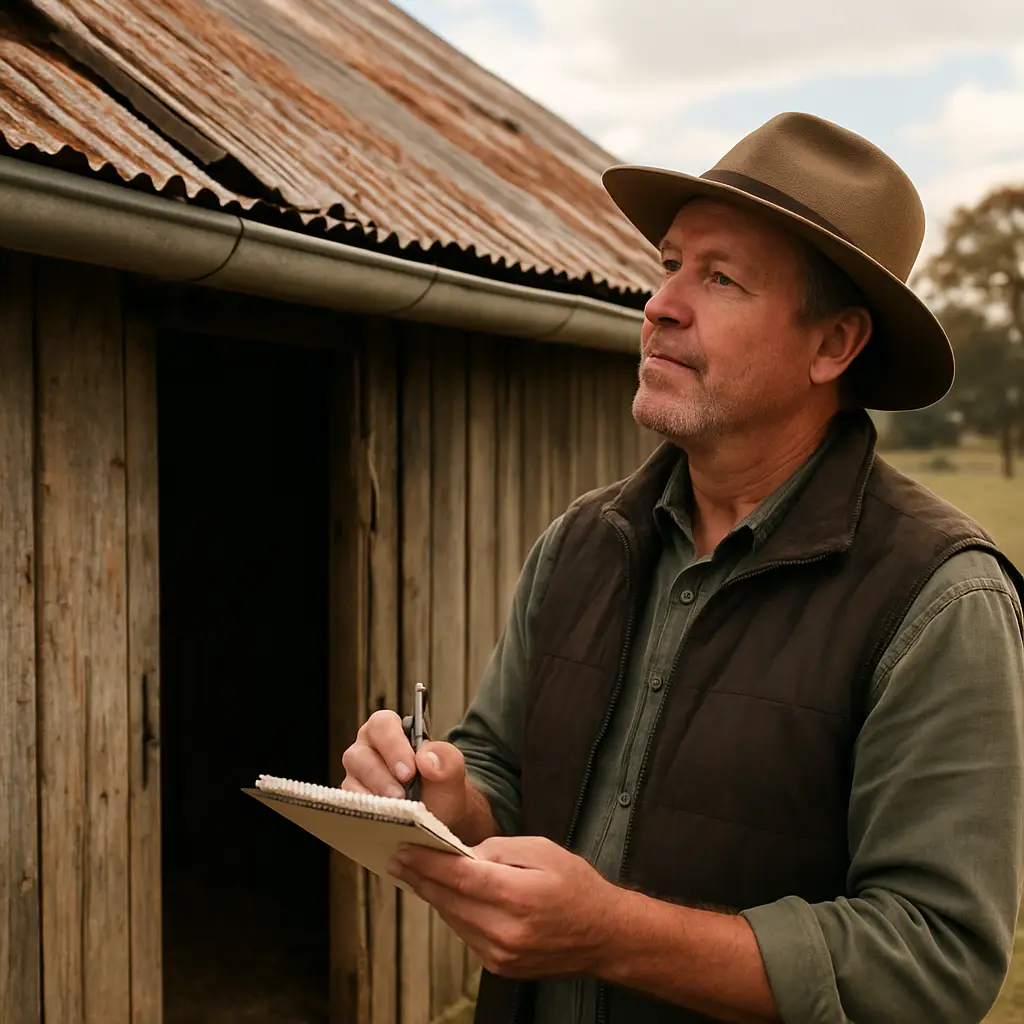
Alright, imagine you’re out on the paddock at sunrise, coffee in hand, and you spot a sag in the roof line of the shed. That little wobble could be the first whisper of a bigger problem, and catching it now saves you a heap of trouble later.
First thing’s first – grab a notebook (or your phone) and walk the perimeter. Look for anything that feels off: cracked colourbond panels, rusted down‑pipe brackets, or a gutter that’s holding a pocket of debris. Jot it down as you go; the list becomes your maintenance cheat‑sheet.
Roof and Gutter Check
Climb up safely – a sturdy ladder and a 4×4 vehicle for transport if you’re far off the road. Scan each sheet for rust, dents, or missing fasteners. Run a garden hose along the roof; if water pools or leaks inside, you’ve got a roof that needs attention.
Don’t forget the gutters. Clear out leaves, twigs, and that old feed bag you forgot about. A clogged gutter is the quickest way to water damage behind walls, and you can learn the warning signs here.
Wall & Foundation Survey
Walk the walls inside each building. Feel for soft spots, listen for hollow sounds when you tap, and look for mould or a musty smell – those are often the first clues of hidden water intrusion.
Outside, check the concrete slabs around feed pads and water tanks. Look for shrinkage cracks wider than a pencil lead. Small gaps let moisture seep in, turning a sturdy pad into a muddy mess after the next rain.
And what about the fences? A broken post or a sagging wire might seem minor, but in NSW a loose fence can mean a stray cow, and that’s a safety risk you don’t want.
Mechanical & Electrical Review
Turn on the pump, test the lights, and listen to the motor hum of the grain dryer. Any strange noises or flickering bulbs are early signs of wear. Schedule a service before a breakdown shuts you down during harvest.
While you’re at it, check the battery terminals on your 4×4. A dead battery in the middle of nowhere is a nightmare you can avoid with a quick clean and a voltage check.
That video walks you through a quick visual walk‑around, showing exactly where to look for the tell‑tale signs of wear on a farm shed.
Now that you’ve got the big picture, break it down into a seasonal checklist. Spring: focus on roof and gutters after the rains. Summer: inspect walls for heat‑related expansion cracks. Autumn: clear out leaf litter and prep drainage. Winter: run a heater check on any insulated spaces to avoid condensation.
Here’s a simple template you can copy into your phone notes:
- Roof panels – any rust or dents?
- Gutters – cleared?
- Wall interiors – any damp spots?
- Concrete slabs – new cracks?
- Fences – secure?
- Machinery – sounds normal?
When you finish the walk‑around, give yourself a quick rating: Green = all good, Yellow = a few fixes, Red = urgent repairs. That colour‑code helps you prioritise and budget.
And remember, you don’t have to do everything alone. A quarterly visit from a trusted 4×4 builder who knows the back‑roads can spot the hidden issues you might miss when you’re busy with the daily grind.
Take a moment now, pull out that notebook, and start your first assessment. It’s the foundation of a solid rural property maintenance plan – the kind that keeps the farm humming year after year.
Step 2: Plan a Seasonal Maintenance Schedule
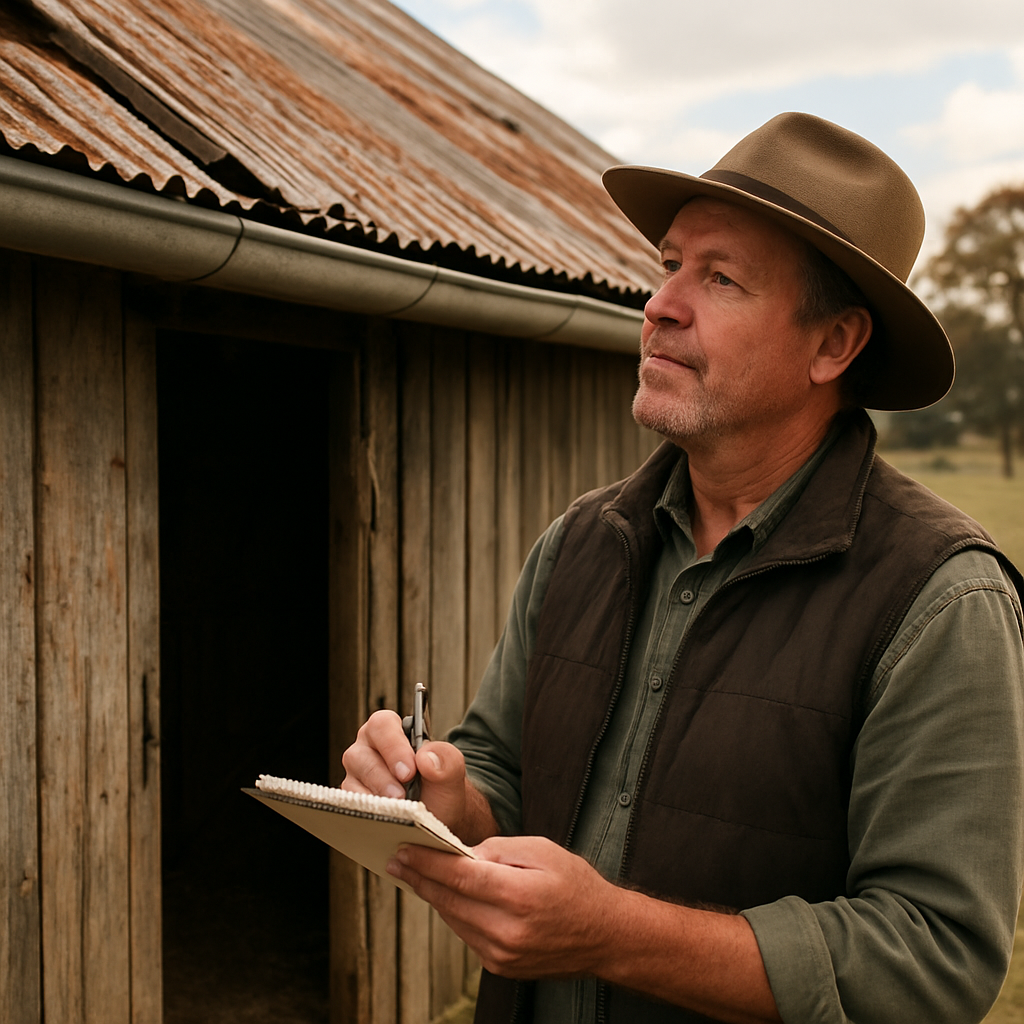
Alright, you’ve done the walk‑around, jotted down the squeaky hinges and the cracked colourbond sheets. The next move? Turn that notebook into a living, breathing calendar that tells you exactly what to fix before each season rolls in. Think of it as a farm‑yard version of a weather‑proof diary – one that saves you from surprise repairs when the rain hits or the bushfire danger spikes.
Why a seasonal schedule matters
Rural property maintenance isn’t a one‑off job. The Aussie climate flips from scorching summer to frosty winter in a heartbeat, and each swing brings its own set of stressors – gutters get clogged with summer debris, timber swells in winter, and bushfire‑prone areas need extra clearance in autumn. The NSW Rural Fire Service reminds us that a well‑prepared home is far more likely to survive a bushfire or ember attack, and a seasonal checklist is the first line of defence according to the NSW Rural Fire Service.
Step‑by‑step: building your 4‑season calendar
1. Map the year into four blocks. Grab a simple spreadsheet or a printable calendar and label the blocks: Spring (Sept‑Nov), Summer (Dec‑Feb), Autumn (Mar‑May), Winter (Jun‑Aug). Under each block, create three columns – Inspection, Action, Deadline. This visual split makes it obvious what belongs where.
2. Plug in the tasks you already spotted. From your assessment, move every item into the appropriate season. For example, “clear gutters of summer leaf litter” goes into Summer Inspection with an action “flush and reseal downpipes” and a deadline of early Jan – before the first heavy storm.
3. Add the “must‑do” seasonal chores. Even if you didn’t notice them, farms benefit from a handful of routine jobs:
- Spring: check roof flashings after winter rain, spray timber protectors, calibrate irrigation valves.
- Summer: prune trees away from power lines, service the 4×4 ute’s engine and brakes (fleet maintenance is a big cost‑saver – see the fleet‑maintenance guide), test water tank vent pipes.
- Autumn: clear 10‑metre fire breaks around buildings, inspect fence post concrete pads for frost‑cracks, service generators.
- Winter: seal any new cracks in colourbond, check for condensation in sheds, lubricate door hinges to stop freezing.
4. Assign responsibility. If you have a regular 4×4 crew from Awesim, note “Awesim visit” next to each major task. For smaller jobs, write “you” or “farmhand” so there’s no guessing who should grab the tool‑box.
5. Set reminders. Use your phone’s calendar alerts or a farm‑management app to nudge you two weeks before each deadline. A simple “Gutter flush – 10 days left” pop‑up is worth more than a forgotten task that turns into a leak.
Real‑world example: the Johnsons’ wheat farm
John and Sarah run a 250‑acre wheat property near Gunnedah. Their last winter they ignored a tiny crack in the feed‑pad concrete; the freeze‑thaw cycle widened it, and a tractor wheel sank, costing $1,200 in repairs. After they adopted a seasonal schedule, they now inspect the slab every autumn, seal any hairline cracks, and record the work on their calendar. The next winter passed without incident, and they saved both time and money.
Quick checklist you can copy‑paste
Download this bite‑size list and stick it on the fridge or the back of the 4×4’s door:
- Spring – roof & flashings, irrigation test, timber treatment.
- Summer – gutter clean, vehicle service, power‑point safety check.
- Autumn – fire‑break clearance, fence‑post inspection, generator run‑test.
- Winter – seal roof cracks, check for condensation, lubricate doors.
Every time you tick a box, you’re not just ticking a chore – you’re protecting livestock, crops and your peace of mind.
So, what’s the next move? Grab that notebook, open a new spreadsheet, and start slotting tasks into the four seasons. When the first reminder pops up, you’ll feel the confidence of a farmer who’s got the whole property on a predictable, manageable rhythm.
Step 3: Budgeting and Sourcing Reliable Rural Builders
Alright, you’ve got your assessment and a seasonal calendar – now the money talks and the right hands matter. If you’ve ever stared at a spreadsheet and thought, “How on earth do I turn this into a real‑world plan?”, you’re not alone. Let’s break it down together, step by step.
1. Know what you’re paying for
Start with a simple list: roof repairs, concrete slab resurfacing, fence post replacement, drainage upgrades, and any specialised work like 4×4 access road maintenance. For each line‑item, jot down three things – material cost, labour estimate, and a contingency buffer (usually 10‑15%). That buffer isn’t fluff; it covers the inevitable surprise when a hidden water pipe shows up or the ground gets softer after a heavy rain.
Tip: the NSW Rural Fire Service reminds us that fire‑break clearance and roof‑flashings checks are annual must‑dos. Factoring those into your budget now can save you a fire‑related rebuild later according to NSW Rural Fire Service guidance.
2. Get realistic quotes – not just “quick‑price” guesses
Reach out to at least three local builders who have 4×4 access and a track record on farms. Ask them to walk the site, note the exact scope, and give you a written quote broken down by material, labour, and any travel surcharge. When a builder says “$5,000 flat” without detail, flag it – you’ll end up paying for things you never needed.
Real‑world example: Sarah from the Gunnedah wheat farm asked three contractors for a feed‑pad repair. One quoted $3,200 with a line‑item for “soil stabilisation”. The other two gave $2,950 but omitted that stabilisation, which later cost her $800 when the pad settled again. The most detailed quote saved her $350 in the long run.
3. Check credentials and local knowledge
In rural NSW, a builder who knows the quirks of a Tamworth summer or a Bourke floodplain is worth their weight in steel. Verify they hold a valid licence, have insurance, and can provide references from neighbouring farms. A quick phone call to a past client can reveal whether they respect your schedule – you don’t want a builder who disappears during harvest.
Ask specifically: “Do you have 4×4‑ready equipment for accessing steep tracks?” and “Can you handle both brickwork and concrete slab work?” If they answer confidently, you’ve filtered out the ‘city‑only’ crews.
4. Build a budgeting timeline that mirrors your seasonal plan
Take the same spreadsheet you used for the assessment and add columns for “Quarter”, “Start Date”, “Finish Date”, and “Payment Milestones”. For instance, schedule the roof flashing replacement in early Spring (Sept) when the weather is mild, and tie the payment to completion – 30 % upfront, 40 % after inspection, 30 % on final sign‑off.
When you align cash flow with the seasonal checklist you already have, you avoid the dreaded “no‑money‑Monday” that can stall a project mid‑winter.
5. Keep a buffer for emergency fixes
Even the best plan can be upended by a sudden storm. Set aside a separate “emergency maintenance” fund – think of it as a small farm‑sized rainy‑day jar. A good rule of thumb is 5‑10 % of your total annual maintenance budget. That way, if a gutter bursts in December, you can call the builder right away without scrambling for cash.
6. Use a single point of contact – your trusted builder
Instead of juggling multiple tradespeople, consider a “one‑stop‑shop” builder who can coordinate roof work, concrete, and fencing. Awesim’s 4×4 crew does exactly that – they’ll swing by, tick off items on your seasonal list, and keep a running log of what’s done and what’s next. Check out our Farm Maintenance – Awesim page for a snapshot of the services we bundle.
Having one reliable builder means fewer mis‑communications, less admin, and a clearer invoice at the end of the year.
7. Review and adjust each season
At the end of every quarter, sit down with your builder, compare the actual spend to the budget, and tweak next season’s numbers. Maybe you over‑estimated concrete costs because the supplier ran a promotion, or you underestimated the time needed for fire‑break clearing. Adjusting now prevents surprise overruns later.
Does this feel like a lot? It is, but think of it as a farm‑yard version of a loan‑repayment plan – you’re paying a little now to avoid a huge, unexpected bill later.
So, what’s the next concrete step? Grab that notebook, write down every repair you spotted, call three local builders for detailed quotes, and slot each job into your seasonal spreadsheet with a clear payment milestone. When the first reminder pops up, you’ll already have the money earmarked and the right hands on‑deck. That’s the peace of mind every farmer craves.
Step 4: Prioritise Key Repairs – Structures and Utilities
Alright, you’ve got your list of what’s broken, now it’s time to decide what gets fixed first. In rural property maintenance the difference between “nice‑to‑have” and “must‑have” can be the difference between a smooth harvest and a costly shutdown.
Separate safety from convenience
Ask yourself: does this repair protect people, livestock or the core operation? A cracked concrete feed pad that could let a tractor sink is a safety issue. A squeaky barn door? Nice to fix, but you can live with it for a while.
Mark every item with one of three tags – Critical, Seasonal or Long‑term. Critical items go on the top of the list and should be booked with your builder within the next month.
Look at the ripple effect
Sometimes a small fix stops a bigger problem later. Replace a rotting timber post on a fence line and you’ll avoid a fence collapse that could let cattle wander onto the road. Fix a leaking gutter now and you’ll save the roof colourbond from rusting away.
When you rank, think about “what breaks next if I don’t fix this?” That mental shortcut keeps you focused on value.
Put a dollar figure on the risk
Take each Critical item and ask: if it fails, how much would that cost you in lost productivity, animal health or repair fees? Write that number next to the task. Even a rough estimate helps you argue for budget with the farm accountant.
For example, a 5 mm crack in a water tank base that expands could flood the milking parlour – the downtime alone could run into thousands.
Schedule around the seasons
Now match the urgency tags to your seasonal calendar. Critical structural work is best done in mild weather – think early spring or late autumn in NSW. Utilities that rely on water pressure can be tackled any time, but try to avoid the peak of summer heat when crews are stretched thin.
Tip: slot the job into the same week you’ve already booked a routine 4×4 builder visit. That way you’re not paying for an extra travel day.
Keep a simple decision table
One quick way to visualise the priority ladder is a table. Below is a compact version you can copy into your notebook or farm‑management app.
| Repair type | Urgency | Typical fix & notes |
|---|---|---|
| Concrete feed‑pad cracks | Critical | Resurface & add reinforcement; prevent tractor sinkage. |
| Gutter leakage | Seasonal | Seal joints, replace damaged sheets before winter rains. |
| Barn door hinges | Long‑term | Lubricate or replace; improves workflow but not immediate risk. |
Get the right hands on deck
Because you’re dealing with structures that bear weight and utilities that carry water or electricity, you need a builder who knows rural codes and 4×4 access. That’s where a trusted partner like Awesim comes in – they’ll bring the right tools, quote every line item and keep the paperwork simple.
Don’t forget to ask for a written scope that matches the tags you’ve set. “Critical” items should have a clear milestone and payment schedule, otherwise you’ll end up chasing invoices.
Review and adjust after each fix
When a repair is completed, tick it off, note any unexpected costs and update the risk numbers for the remaining jobs. That little habit turns a static list into a living plan that evolves with your property.
So, what’s the next move? Grab a pen, pull up the table above, colour‑code the rows that need attention this month, and give your builder a quick call. You’ll feel that familiar farm‑yard relief that comes from knowing the biggest threats are already being taken care of.
Step 5: Implement Sustainable Practices and Eco‑Friendly Upgrades
Alright, you’ve nailed the big repairs, now it’s time to think about the planet while you’re keeping the farm running. Sustainable tweaks feel like a win‑win – you save a few bucks, you protect the land you love, and you future‑proof your rural property maintenance plan.
Start with the obvious – water
First off, look at every water‑using fixture on the property. A leaky tap or a cracked tank can waste litres you’ll never get back during a dry spell. Grab a simple bucket, run it under each tap for a minute and note any drips. That quick test tells you where to patch.
Next, fit low‑flow taps and showerheads in the homestead and workers’ quarters. They’re cheap, they last years, and they can shave 15‑20 % off your water bill. If you have a rainwater tank, add a fine mesh screen on the inlet – it stops debris and extends the tank’s life.
Harvest the rain
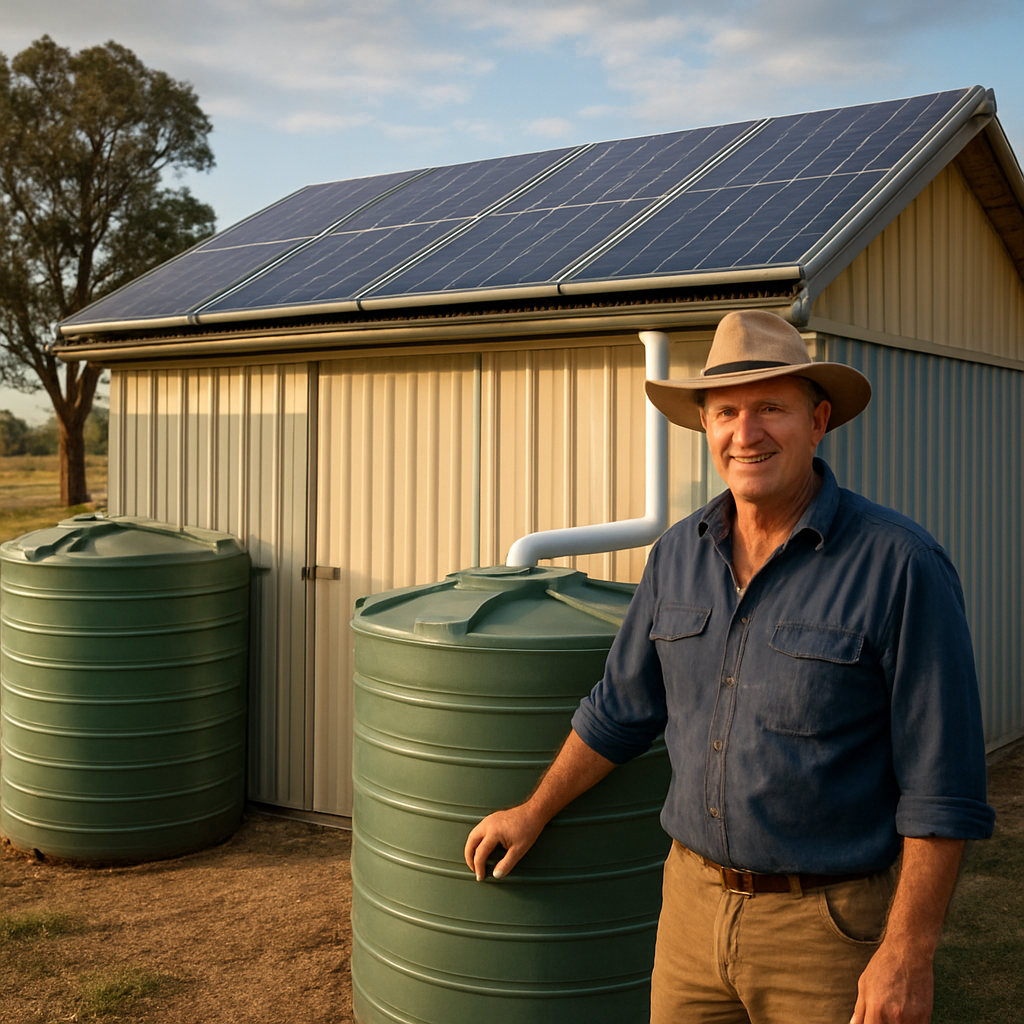
Think about installing a gutter‑to‑tank system on the big sheds. Colourbond roofs already channel water; just add a downpipe that leads into a sturdy, UV‑protected tank. Even a 2 000‑litre tank can give you enough water for cleaning equipment or feeding livestock during a sudden dry spell.
Tip: slope the downpipe a little so water flows faster, and place a simple overflow valve near the tank’s top. It’s a tiny upgrade that prevents flooding around the base of the shed.
Go solar where it makes sense
Solar panels aren’t just for city roofs – they work wonders on farm sheds, especially when you have a 4×4‑accessible site. A modest 3‑kW system can power lights, a small pump, or a remote security camera. Pair it with a battery bank, and you’ve got power on those nights when the grid flickers.
Before you buy, map out your daily energy draw. If your lights run for eight hours a night and your pump cycles a few times, you can size the array precisely – no overspend.
Insulate for comfort and cost savings
Cold winters bite through thin walls, and hot summers melt the roof’s colourbond faster. Adding reflective foil insulation under the roof sheeting or lining the walls of a livestock shed can keep temperatures steadier. It also reduces the load on any heating or cooling you might have, which means lower fuel use.
Even a simple draft‑stopper on the barn door gap can stop a gust of cold air from whipping through. It’s a one‑minute job with a strip of weather‑proof tape.
Upgrade to eco‑friendly materials
When you replace a roof sheet or a fence post, choose recycled steel or sustainably sourced timber. Recycled steel colourbond is just as strong, but it cuts down on new ore extraction. For timber, look for FSC‑certified boards – they come from responsibly managed forests.
If you need a new concrete pad, ask the contractor about low‑carbon concrete mixes that use fly‑ash or slag. They perform just as well for a feed‑pad, but they shave a chunk off the carbon footprint.
Mind the soil
Every time you dig a trench or lay a new slab, think about erosion control. A row of native grasses or a mulched strip along the edge of the pad can hold the soil in place and give you a little extra feed for the goats.
Planting a windbreak of fast‑growing eucalyptus on the windward side of the property also reduces dust, protects new structures, and creates a handy source of timber down the line.
So, what’s the next move? Grab a clipboard, tick off the water checks, sketch a quick rain‑to‑tank plan, and call your builder to discuss a solar quote that matches the shed’s roof size. Each small upgrade builds a bigger, greener farm that pays you back in savings and peace of mind.
Step 6: Ongoing Monitoring and Record‑Keeping
Why Ongoing Monitoring Matters
Ever walked past a shed and thought, “That rust looks worse than last year?” That little gut feeling is your property’s early‑warning system.
If you ignore it, a tiny leak can turn into a flooded feed‑pad, and before you know it you’re chasing water with a mop instead of milking cows.
Staying on top of things means fewer emergencies, lower repair costs, and a lot more peace of mind when the next storm rolls in.
Set Up a Simple Inspection Calendar
Grab a wall calendar or fire up a phone app and block out a 30‑minute slot every quarter.
Mark the months when you’ll check roofs, gutters, concrete slabs, and fences – Spring for post‑winter wear, Autumn for fire‑break checks, you get the idea.
Because you’re already scheduling harvests and vet visits, tucking a quick walk‑around into that routine feels almost natural.
Create a One‑Page Log Sheet
Keep a single A4 sheet in the shed’s toolbox. Columns for Date, Area, Issue, Action, and Who Fixed It.
Write down anything that catches your eye – a cracked colourbond panel, a loose fence post, a water‑tank drip.
When you finish a repair, add the date and who did the work. A few lines a year give you a clear history.
Use Your Phone for Quick Records
Phones are the new field notebook. Snap a photo of a new crack, add a short note, and you’ve got visual proof without the paperwork.
Most farm‑management apps let you tag locations, so later you can pull up every “shed roof” photo with a single tap.
And if you ever need to show a builder what’s wrong, you’ve got the evidence ready – no guessing games.
What to Track Every Season
Spring: Look for water pooling around foundations, test gutter flow after the rains, inspect timber for early rot.
Summer: Check that solar panels stay clear of dust, verify the rain‑to‑tank overflow valve isn’t stuck, feel concrete for any new softness.
Autumn: Walk the fire‑break line, trim any overhanging branches, and make sure fence posts haven’t shifted with the freeze‑thaw cycle.
Winter: Seal any fresh roof cracks, watch for condensation inside sheds, and lubricate door hinges before they freeze shut.
When to Call the Builder
Not every squeak needs a tradesperson, but a structural crack larger than a thumbnail or a recurring gutter leak definitely does.
If your log shows the same issue three times in a year, it’s time to bring in Awesim’s 4×4 crew – they’ll spot the hidden cause and fix it right the first time.
Having that record handy saves you from endless back‑and‑forth and keeps the quote accurate.
Review and Adjust Quarterly
At the end of each season, sit down with a coffee and flip through your log.
Ask yourself: Did any issue surprise you? Did a repair cost more than expected? Are there new tasks to add for the next quarter?
Update your calendar, tweak the checklist, and you’ll notice the plan gets tighter year after year.
Turn Data Into Action
When you see a pattern – say, the same gutter section rusting every summer – you can plan a proactive replacement instead of waiting for a leak.
That’s the real power of record‑keeping: turning scattered observations into a strategic maintenance roadmap.
And the best part? You’re the one who decides the pace. No pressure from a contractor to “upgrade everything now.”
Quick Checklist to Print
- Quarterly calendar block
- One‑page log sheet in the toolbox
- Phone ready for photos and notes
- Season‑specific inspection points
- Trigger list for calling the builder
Print it, tape it to the back of your 4×4 door, and you’ll never forget the next step.
So, what’s the next move? Pull out that clipboard, set the first quarter’s date, and take a quick walk around the property. You’ll feel the confidence of a farmer who’s got the whole place under control, rain or shine.
Conclusion
You’ve just walked the length of your property, coffee in hand, notebook full of observations – and that feeling of finally having a grip on what needs fixing?
From the first visual scan, through a seasonal calendar, a realistic budget, and a clear priority list, you now have a road‑map that turns random repairs into a predictable, manageable routine.
That roadmap does more than keep roofs watertight; it protects livestock, safeguards crops, and saves you thousands in surprise breakdowns. When a gutter leak is caught early, you avoid rusted colourbond sheets and costly roof replacements later.
Remember, rural property maintenance isn’t a one‑off to‑do list; it’s a habit that grows stronger each season. The more you log, the clearer the patterns become, and the easier it is to spot a small issue before it turns into a big headache.
So, what’s the next step? Grab that quick‑print checklist, tape it to your 4×4 door, and schedule the first quarterly walk‑around. Let the habit become as regular as checking the feed bins before sunrise.
If you’d like a seasoned partner to handle the heavy lifts – from concrete slab repairs to fire‑break clearing – give Awesim Building Contractors a call. We’ll bring the 4×4 access, the know‑how, and the reliability you need to keep your rural property maintenance on track year after year.
FAQ
What is rural property maintenance and why is it important for farm owners?
Rural property maintenance is the ongoing routine of checking, repairing and upgrading the structures, fences, utilities and land features that keep a farm running smoothly. It isn’t a one‑off project; it prevents small issues – like a leaky gutter or a cracked concrete pad – from becoming costly emergencies that can disrupt livestock, crops or your harvest schedule. In short, it protects your bottom line and peace of mind.
How often should I schedule a property inspection on my NSW farm?
A good rule of thumb is to walk the property at least once each season – spring, summer, autumn and winter. Schedule a focused inspection in early spring to catch winter wear, a mid‑summer check on gutters and water tanks, an autumn walk for fire‑break clearance, and a winter review of roof seals and door hardware. Mark these dates in a farm calendar or phone reminder so they become habit.
What are the top three seasonal tasks I shouldn’t miss?
The three seasonal must‑dos are: 1) Spring – inspect roof flashings, clear debris from gutters and treat any timber showing early rot; 2) Summer – service your 4×4 vehicle, check power points for moisture and ensure water‑tank vents aren’t blocked; 3) Autumn – walk the fire‑break perimeter, tighten fence post concrete pads and test generator start‑up. Tackling these tasks at the right time stops small problems from snowballing into expensive repairs later in the year.
How can I create a realistic budget for rural property maintenance?
Start by listing every asset – roof, fences, sheds, water tanks, concrete pads and electrical panels – then assign a rough cost to each repair based on material, labour and a 10‑15 % contingency. Pull your seasonal calendar into a simple spreadsheet and map each cost to the quarter when the work will happen. This lets you see cash flow needs, avoid surprise bills and adjust the plan if a drought or storm changes priorities.
When should I call a professional builder like Awesim for repairs?
Call a professional builder when a repair involves structural integrity, specialised trades or 4×4 access challenges – for example, a cracked concrete feed‑pad, a roof with multiple rusted colourbond sheets or a fence line on steep terrain. A qualified crew can assess the problem, provide a detailed quote and ensure the work meets rural building codes. With Awesim’s 4×4 capability, they can reach remote sites without you having to tow extra equipment.
What simple tools can help me track maintenance tasks?
A simple paper log or a phone note app works fine, but many farmers swear by a dedicated maintenance worksheet stuck on the 4×4 door. Include columns for date, area, issue, action taken and who fixed it. Snap a quick photo with your phone for visual reference – it’s easier to spot a widening crack later. Review the sheet each quarter and you’ll see patterns that guide your next budget.
How does 4×4 access affect maintenance planning on remote properties?
On remote properties the ability to drive a 4×4 right up to the job site changes everything. It means you can bring heavier tools, larger material pallets and even a portable generator without relying on neighbours’ trucks. Plan your maintenance calendar around the best weather windows, then tell your builder they’ll need 4×4 access – this avoids delays, reduces travel costs and keeps the work site safe on uneven tracks.



1 Comment