
Ever stood on the back of a dusty farm shed, looking at the cracked paint and wondering if that kitchen could ever feel like the one you see in city magazines? I get it – the idea of rural renovations can feel both exciting and a bit overwhelming, especially when you’ve got sheep to watch and rain clouds on the horizon.
Here’s the thing: you don’t need a miracle to turn a tired homestead into a comfortable, functional space. All you need is a bit of solid advice, a builder who knows the quirks of NSW country roads, and a plan that fits around your harvest or calving season.
Think about the last time you tried to fix a leaky roof on a windy afternoon. You probably wished you had a crew that could show up with the right tools, even if the property is only reachable by a 4×4 track. That’s exactly the kind of practical, no‑nonsense support Awesim Building Contractors brings to every rural renovation project – from a modest bathroom upgrade in Armidale to a full‑scale farmhouse extension near Bourke.
So, what does a successful rural renovation look? It starts with a clear picture of what you need – maybe more storage for feed bins, a brighter kitchen where the kids can do homework, or a sturdy verandah that can survive a sudden downpour. Then comes the on‑site assessment, where we walk the property, talk about your daily routine, and spot any hidden issues like termite damage or weak footings.
And because we live and work in the outback, we understand that timing is everything. We’ll schedule work around your busiest weeks, use weather‑resistant materials that cope with the NSW heat, and keep you in the loop with plain‑English updates – no jargon, no surprises.
Ready to stop staring at that cracked wall and start picturing a fresh coat of colour, a modern bathroom, or a kitchen that actually has enough counter space for a big family breakfast? Let’s dive in and map out the first steps together – a quick call, a site visit, and a realistic quote that respects your budget and your land.
TL;DR
Rural renovations can turn a tired farmhouse into a functional, weather‑ready home without disrupting your harvest or cattle schedule.
We’ll assess the site, plan cost‑effective upgrades, and keep you updated in plain English, so you see results fast and stress‑free, plus a realistic quote that respects your budget and land.
Step 1: Assess Your Farm’s Current Condition
Before you grab a hammer, you need to know exactly what you’re dealing with on the ground. That means stepping onto the property, coffee in hand, and taking a good look at every roof, wall and floor that’s going to be part of the renovation.
Walk the perimeter and note the obvious
Start at the front gate and walk clockwise. Jot down any cracked roof tiles, sagging verandahs, or sections where the paint is peeling like old bark. Pay special attention to areas that get the most wear – the kitchen doorway that sees the family rush in after a long day, the bathroom that doubles as a quick wash‑up for the kids, and the shed where you store feed.
And don’t forget the hidden stuff: moisture spots on walls, rust on metal brackets, or a faint smell of damp that could signal a leak. If you spot water staining, you might want to check out how to dry walls after a water leak without drilling – it’s a handy trick when you’re trying to keep the renovation schedule on track.
Check the structural health
Grab a flashlight and inspect the underside of joists, the condition of footings, and any signs of termite activity. A quick tap on a timber beam can reveal rot – a dull thud means it’s still solid, a hollow sound suggests it’s compromised.
While you’re at it, think about the people who will be using the space. Are you planning a larger kitchen for family meals? You’ll need a floor that can handle heavier appliances without flexing. If you’re adding a new bathroom, consider the plumbing runs – short, straight runs cut cost and reduce the chance of future leaks.
Document everything
Take photos of every problem area, label them on a simple sketch of the floor plan, and write down measurements. A photo of a cracked wall next to a note that says “needs re‑plaster – possible moisture” saves you hours of guessing later.
Here’s a quick checklist you can print off:
- Roof condition – missing tiles, rusted gutters
- Wall integrity – cracks, damp, termite signs
- Foundations – cracks, settling, drainage
- Utilities – water pressure, electrical safety
- Access routes – 4×4 track suitability, vehicle clearance
Once you’ve got all that on paper, you can sit down with the crew and talk numbers. Knowing the exact scope helps Awesim Building Contractors give you a realistic quote that respects both your budget and the land.
Now, a quick side note about safety: any work involving electricity or heavy lifting should be done by trained professionals. It also pays to think about your team’s wellbeing – offering proper health cover can make a big difference on remote sites. For a rundown of options, see small business group health insurance plans. A healthy crew stays on schedule, and that means you get your renovated homestead sooner.
When you’re ready to dive deeper into the whole renovation journey, our Rural Renovations: A Practical Guide for NSW Farm and Country Home Makeovers walks you through budgeting, permits and material choices – all tailored to the realities of outback living.
Finally, keep a backup plan for the unexpected – a storm can hit any week, and a sudden roof leak is a common curveball. Having a list of local suppliers and a clear line of communication with your builder means you can react fast without derailing the whole project.

Step 2: Plan Your Renovation Budget and Timeline
Alright, you’ve walked the property, jotted down every cracked post and leaky gutter. Now the fun – or the dreaded – part where numbers and months start dancing together. Don’t worry, we’ll keep it simple and realistic, just like a chat over a cuppa on the verandah.
Know your ceiling, not just the floor
First thing’s first: sit down with a notebook (or a spreadsheet if you’re feeling fancy) and write down three buckets – structural, essential, and cosmetic. Structural covers anything that could compromise safety – think footings, roof framing, or termite‑infested beams. Essential is the stuff you need to keep the house livable – insulation, waterproofing, basic plumbing. Cosmetic is the finish‑line touches – paint colour, new kitchen benchtops, that slick bathroom vanity.
Assign a rough cost to each line item. If you’re not sure, give yourself a range. For example, “roof repair: $5‑7k”. That wiggle room stops you from being shocked when a supplier quotes a bit more.
Factor in the farm calendar
Rural life isn’t a 9‑to‑5. Harvest, lambing, cattle mustering – these dictate when you can have a crew on site. Map out the next 12‑month window and block out the weeks you’re busiest. Those are the weeks you’ll want the heavy lifting done before or after.
Ask yourself: “If the rains come in July, can I still finish the roof?” If the answer is “no,” move that task earlier or plan a temporary cover. It’s better to pause a bit now than to rush and pay for water damage later.
Build in buffers – both money and time
Every rural renovation hits a snag: a delayed material because the nearest town is 80 km away, an unexpected pest issue, or a sudden road closure after a storm. The rule of thumb? Add a 10‑15% contingency to your budget and a one‑to‑two‑week buffer to your timeline.
That’s not “pessimism,” it’s practical foresight. When the buffer kicks in, you won’t be scrambling for cash or pulling the crew in at odd hours.
Choose the right payment milestones
Instead of paying the full quote upfront, split the contract into clear stages – for example:
- Deposit (10%) before mobilisation.
- Completion of structural work (30%).
- Weather‑proofing and services (30%).
- Final finish and handover (30%).
This aligns cash flow with progress and gives you leverage to ensure each stage meets your expectations before the next payment is released.
Quick decision‑making table
| Budget Element | Timeline Consideration | Practical Tip |
|---|---|---|
| Structural repairs (footings, roof framing) | Start early – aim for dry season | Secure 4×4 access before ordering heavy materials |
| Essential services (plumbing, electrical) | Coordinate with farm’s off‑peak power usage | Use local licensed trades to avoid travel delays |
| Cosmetic finishes (paint, fittings) | Schedule after weather‑proofing is locked in | Order finish‑grade items once structural budget is firm |
Now that you have a rough spreadsheet, a calendar that respects your farming rhythm, and a safety net of contingency, you’re ready to hand the plan over to your builder. At Awesim we love seeing that sheet – it tells us exactly where to focus our 4×4 crew, material deliveries, and trade coordination.
Bottom line: a solid budget and realistic timeline keep the project moving without pulling you away from the herd or the harvest. Take a moment now, pull out that notebook, and sketch the next 12 weeks. You’ll be surprised how much smoother the renovation feels when the numbers and seasons are already in sync.
Step 3: Choose the Right Materials for Outback Conditions
When you’re planning rural renovations, the biggest game‑changer is the material you pick – it’s the difference between a shed that lasts a decade and one that needs a new roof every summer.
So, how do you make the right call when the outback throws heat, dust, occasional floods and a hard‑wearing 4×4 into the mix? Let’s break it down step by step.
Know the climate you’re battling
First off, know the climate you’re battling. In NSW’s interior you’ll see scorching 40 °C days, sudden thunderstorms, and winter chill that can drop below zero. Materials that swell, rot or rust quickly just won’t cut it. That’s why we gravitate towards steel, fibre‑cement and engineered timber that have proven track records up here.
Steel and fibre‑cement: the outback staples
Steel roofing and wall cladding is a go‑to for many of our farm clients. It’s lightweight enough for our 4×4 crew to lift, yet tough enough to shrug off hail and the occasional stray branch. Look for Galvanised or Colour‑Bond finishes – the coating hides the metal from rust, and the colour stays true for years without a fresh paint job.
But steel alone isn’t the whole story. For interiors where you want a warmer feel, consider fibre‑cement boards. They mimic the look of timber, resist termites, and won’t warp when the humidity spikes after a downpour. Pair them with a breathable paint system designed for rural settings – that lets any trapped moisture escape before it becomes a problem.
Thermal performance and insulation
Thermal performance matters a lot when you’re trying to keep the house comfortable for the family and the livestock‑adjacent rooms. Insulated metal panels with a reflective foil layer can slash summer heat gain by up to 30 %. It sounds technical, but the result is simple: less reliance on a generator‑run air‑con and a lower electricity bill.
Flooring and wet areas
Concrete slabs are the backbone of any outback structure – they stand up to heavy machinery, feed bins and the occasional stray cow. If you’re laying a new slab, ask your builder to add a fibre‑reinforced polymer mesh. It’s cheaper than a full‑thick slab and still takes the pounding.
If you’re renovating a kitchen or bathroom, you’ll need surfaces that survive both heat and water. Porcelain tiles with a non‑slip rating are perfect for wet areas, while quartz worktops hold up against the heat from a stovetop and the occasional knock from farm tools.
Transport logistics for 4×4 crews
One of the biggest pitfalls is forgetting about transport logistics. A 4×4 can haul a lot, but every extra kilogram adds fuel cost and wear on the vehicle. That’s why we often source pre‑cut steel panels or modular wall sections from a supplier within 100 km of the site. The pieces arrive ready to bolt together, cutting on‑site waste and time.
Quick tip: before you sign off on any material, ask for a “weather‑rating” sheet. It should list the product’s UV resistance, salt‑air performance (useful if you’re near the Murray), and the recommended maintenance schedule. If the builder can’t produce it, it’s a red flag.
Quick material checklist
- Is the product rated for temperatures 0‑50 °C?
- Does it have a corrosion‑resistant coating?
- What is the expected lifespan in a dusty, high‑UV environment?
- Can it be delivered in 4×4‑compatible loads?
- What maintenance does it need after 5 years?
Cross‑checking each point saves you a surprise when the first storm hits. I’ve seen a client lose $5k because they chose a cheap timber cladding that warped after just one wet season – a classic case of “cheaper upfront, costlier later.”
Lastly, don’t forget the little things that make a huge difference: proper flashing around roof joints, sealants that stay flexible in heat, and steel brackets that are pre‑galvanised. These details keep the big elements performing for the long haul.
Bottom line? Pick materials that are built for the outback’s extremes, think ahead about how they’ll get to the site, and always verify the product’s durability specs. When you do, your rural renovations will stand strong while you focus on the herd, the harvest, or just a well‑earned coffee on the verandah.
Step 4: Execute Core Renovations – Sheds, Kitchens & Bathrooms
Alright, you’ve got your budget, your timeline and a list of materials that can survive the NSW outback. Now it’s time to roll up the sleeves and actually get the shed, kitchen and bathroom work under way.
Kick‑off with a clear site set‑up
First thing – clear the area. Whether it’s a dusty shed on the edge of the paddock or a kitchen tucked behind the house, you need a safe, flat workspace for your crew and deliveries. Mark off a 4×4 access lane, level any loose ground with a quick compacted gravel pad, and set up a temporary shelter for tools. It sounds simple, but a tidy site stops trips, saves a day’s labour and keeps the rain from soaking fresh timber.
Do you ever wonder why some projects stall before they even start? Too often the answer is “I didn’t think about the delivery route.” Talk to your 4×4 driver early, confirm load sizes and schedule deliveries for a dry morning.
Step‑by‑step for the shed
1. Frame first. Erect the steel or engineered timber frame according to the engineered plan. Use pre‑galvanised brackets and make sure every joint is tightened with weather‑resistant bolts. A quick double‑check of squareness (90° corners) prevents a wonky roof later.
2. Roof and cladding. Snap on the steel roofing panels, overlapping the seams by at least 150 mm and sealing with a high‑UV sealant. Then attach fibre‑cement cladding, leaving a 10 mm gap for ventilation – that gap lets heat escape in summer and stops moisture from sitting behind the walls.
3. Doors and windows. Fit pre‑finished doors with steel hinges that can take a few hundred kilograms of feed‑bin weight if you ever need to store tools inside. Install double‑glazed, low‑E windows to keep the shed bright without overheating.
Tip: a simple roof overhang of 300 mm dramatically reduces water splash on the walls during sudden storms.
Kitchen renovation – function meets farm‑life durability
Start with the plumbing “wet wall.” Run all water lines and waste pipes behind a sealed cavity wall before you close it up. Use PVC or PEX that’s rated for 0‑50 °C – the temperature swings on a farm can be brutal.
Next, lay the slab or reinforce the existing concrete with a fibre‑reinforced polymer mesh. This gives you a sturdy surface that won’t crack when a heavy workbench gets dropped on it.
When the base is ready, install the cabinets. Choose powder‑coated steel or marine‑grade timber that won’t swell when a kettle boils over. Keep the countertop material heat‑resistant – quartz or a solid‑surface that won’t scorch from a hot pan.
Don’t forget the range hood. Position it at least 600 mm above the cooktop and duct it straight out of the house, not through the loft where heat can build up.
Quick kitchen checklist
- All plumbing behind sealed cavity wall
- Concrete slab with reinforcement
- Heat‑resistant worktop
- Ventilated range hood
- Stainless‑steel sink and fixtures
Bathroom makeover – water‑proofing is non‑negotiable
Start with a full‑body waterproof membrane on the floor and walls. A sheet‑applied membrane with a self‑adhesive primer works well on concrete or timber sub‑floors. Overlap seams by 150 mm and tape them with a waterproof tape.
Install the drainage before the floor finishes. A proper slope of 1:40 (about 2.5 cm per metre) directs every drop toward the trap. Use PVC pipe with a UV‑resistant coating – the sun can degrade standard pipe after a few years.
Choose tiles that are slip‑rated (R10 or higher) for the shower area. Grout with a polymer‑enhanced mix will stay flexible in heat and won’t crack when the house expands on a hot day.
Fit a wall‑hung vanity to free up floor space for a wheelbarrow or farm tools. Keep the tap fixtures in brushed stainless – they won’t rust from the occasional splash of salty air near the Murray.
Bathroom final touches
Seal all joins with a silicone that stays flexible for at least five years. Add a vent fan with a moisture sensor so the space dries quickly after a night‑time shower.
So, what’s the next move? Walk the site with your builder, tick each item on the checklists, and schedule the first delivery. When the frames go up, the roof is sealed and the wet walls are in place, you’ll see the project shift from “planning” to “happening.”
Remember, rural renovations are all about timing, durability and a bit of common sense. Keep the crew safe, the materials appropriate for the outback, and the schedule synced with your farm calendar – and you’ll end up with a shed, kitchen and bathroom that work as hard as you do.
Step 5: Final Touches and Ongoing Rural Maintenance
Let’s be honest, the moment the last tile is set and the roof is sealed you feel a mix of relief and that lingering “what now?” feeling. That’s where the final touches and a solid maintenance plan come in – they turn a fresh‑look renovation into a farm‑ready space that won’t fall apart the next season.
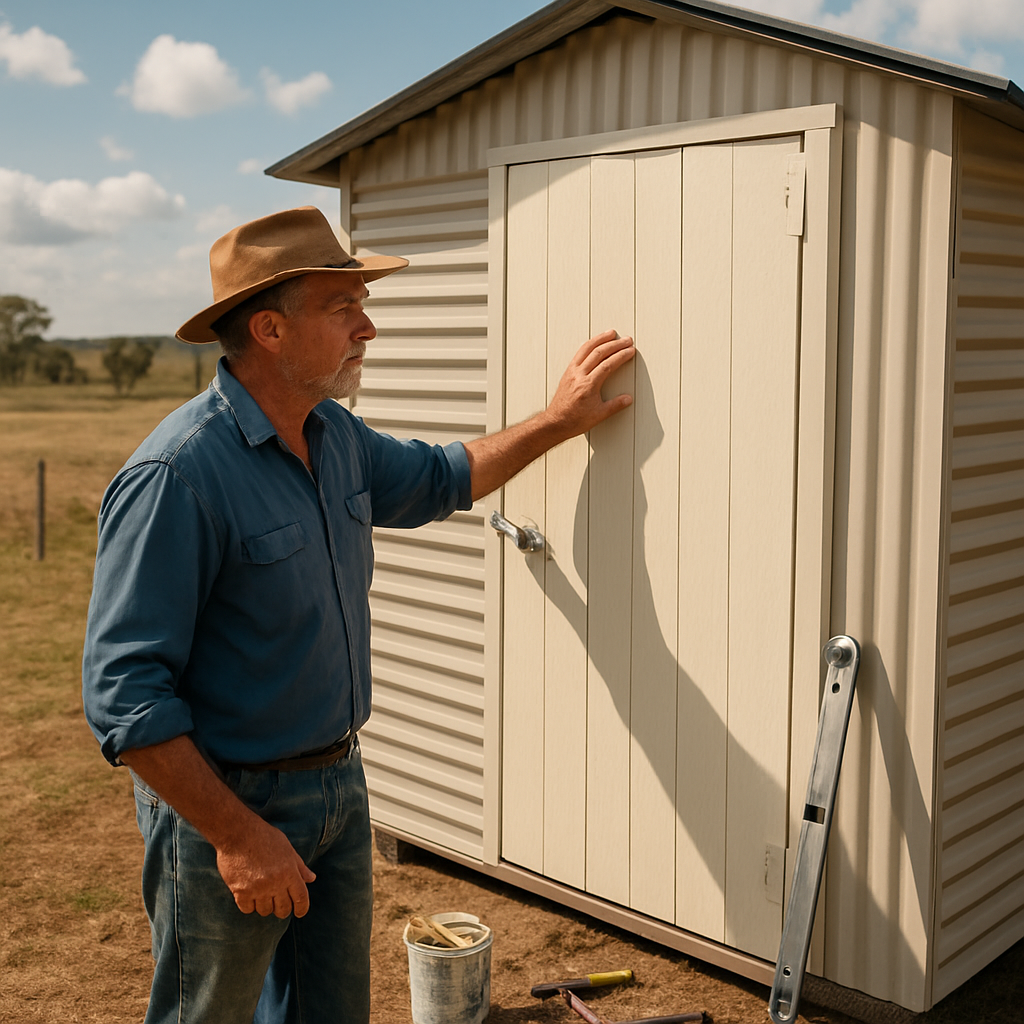
First up, do a quick walk‑through with your builder. Grab a pen, a clipboard, and a fresh cup of tea. Check every joint, every door, every window latch. Anything that squeaks, drips or feels loose gets a tick‑off and a fix right then. It’s way easier to catch a mis‑aligned door while the crew’s still on site than to chase it weeks later when you’re already back in the paddock.
Seal the deal with weather‑proofing
A lot of rural renovations fail because the sealant gives up after a few hot summers. Use a silicone sealant that’s rated for at least five years of UV exposure – it stays flexible when the metal expands in the heat and contracts when night‑time drops hit. Run a bead around all external window frames, door thresholds, and wherever the new bathroom splash zone meets the floor. A tidy, continuous line of sealant is a small step that saves you from water‑logged walls later.
Ventilation matters
Even the toughest steel roof needs breathing space. Install a vent fan with a humidity sensor in the bathroom and a ridge vent on the shed roof. The fan kicks on automatically after a shower or when the shed gets damp after a rainstorm, pulling moist air out before it can corrode steel or grow mould. It’s a set‑and‑forget piece of kit that pays for itself in reduced maintenance.
Does your kitchen still feel like a showroom? Add a few practical touches: a magnetic strip for knives, a roll‑up mat for muddy boots, and a splash‑guard behind the sink. These aren’t fancy – they’re the things that keep a busy farm kitchen looking tidy day after day.
Plan a maintenance calendar
Think of maintenance like you schedule livestock vaccinations – you do it regularly, not just when something breaks. Write down quarterly checks: inspect roof fastenings after heavy storms, test door locks before lambing season, and re‑apply a coat of protective paint on external cladding every 3‑5 years. Set reminders on your phone or on the farm’s shared calendar so nobody forgets.
Here’s a simple checklist you can print and stick on the shed door:
- Roof fasteners tight? (Check after any wind gusts over 80 km/h)
- Gutter clear of debris? (Do it after the first heavy rain of the month)
- Sealant condition? (Look for cracks or shrinkage)
- Door and window operation? (Open and close each twice)
- Vent fan test? (Listen for it turning on when humidity rises)
Keep a small stock of spare parts – a few extra screws, a roll of silicone, and a replacement fan blade. When you’re out on the station, the last thing you want is a 4×4 call‑out because you ran out of a tiny washer.
Seasonal considerations
NSW’s outback can swing from scorching summer to frosty winter in weeks. Schedule any major paint touch‑ups for the dry, mild months of April to September when moisture levels are low. That gives the coating time to cure properly. In summer, make sure you have shade cloths or temporary canopies over fresh concrete slabs – they’ll cure faster and won’t crack from rapid drying.
A quick story – we once finished a barn conversion in Bourke right before the monsoon. The client followed our “post‑build checklist”, sealed every joint, and installed a vent fan with a rain‑sensor. When the downpour hit, the roof held, the walls stayed dry, and the client only needed a quick clean‑up of the gutters a week later. That’s the power of a solid finishing routine.
Finally, set up a maintenance contract with a local builder you trust – someone who can swing by every six months for a “health check”. It’s cheaper than emergency repairs and gives you peace of mind that your rural renovations keep working as hard as you do.
FAQ
Got questions after reading the guide? Below are the most common things farm owners ask about rural renovations, with straight‑forward answers you can start using today.
What should I inspect before I even swing a hammer on a rural renovation?
First, walk every building and note any roof leaks, cracked footings, or termite damage – those are the deal‑breakers. Next, check access routes; a 4×4 lane that’s blocked by a fallen tree will stall any delivery. Finally, confirm utilities – water, power and septic locations – so you can plan pipe runs without digging up a newly laid slab later. A quick checklist saves weeks of back‑and‑forth.
How can I keep my renovation budget from blowing up when farm life throws a curveball?
Build a 10‑15 % contingency into both money and time; it’s the safety net for delayed material deliveries or surprise pest work. Schedule bulk orders when the weather’s predictable – the dry months of April to September are cheaper for concrete cures. And always get a written quote that splits costs by stage, so you only pay for work that’s actually finished.
Which materials survive the outback’s heat, dust and sudden storms?
Galvanised steel roofing and Colour‑Bond cladding are favourites because the coating resists rust and UV fading for years. Pair them with fibre‑cement boards inside – they don’t swell with moisture and are termite‑proof. For floors, a concrete slab reinforced with fibre‑reinforced polymer mesh handles heavy equipment without cracking. Choose products with a documented temperature rating of 0‑50 °C.
What’s the best way to fit renovation work around my harvest or lambing calendar?
Map out the next 12 months and block the weeks when you’re busiest – that’s when the crew should be doing heavy lifting or roof work. Use the off‑peak periods for interior finishes, like cabinets or paint, because they’re quieter and won’t interfere with livestock movement. A simple spreadsheet with colour‑coded rows keeps everyone on the same page.
What maintenance routine should I adopt once the renovation is done?
Treat your post‑build checklist like a farm health plan. Every quarter, inspect roof fasteners after any strong wind, clear gutters, and run a finger along exterior sealant for cracks. Test vent fans in sheds and bathrooms – a quick switch‑on tells you if they’re still pulling moisture out. Keep a small stock of spare screws, silicone and a replacement fan blade on site; fixing a tiny issue now prevents a costly repair later.
Do I need special permits for adding a shed or extending a farmhouse in NSW?
Most outbuildings under 30 m² and below a certain height are exempt, but anything that changes the footprint, height or use of a dwelling usually needs council approval. Start by checking your local shire’s development guidelines – they’ll list setback distances, fire‑break requirements and any heritage considerations. Getting the paperwork sorted early stops surprises mid‑project and keeps the builder’s schedule on track.
How does Awesim Building Contractors manage projects on remote properties?
Our 4×4 work trucks carry tools, materials and even a portable generator, so we can set up a temporary workshop right on your land. We pre‑stage deliveries in the nearest town, then load them onto the trucks the day we arrive, cutting travel time and fuel costs. That on‑site flexibility means we can start work the same day, even if the property is 80 km off the sealed road.
Conclusion
We’ve walked through everything from the first on‑site assessment to the final maintenance checklist, so you can see how a solid plan turns a weathered farm building into a space that works as hard as you do.
Think about the last time a leaking roof or a cracked shed door stole a few hours of your day. By catching those issues early, budgeting with a 10‑15% buffer, and choosing steel, fibre‑cement and reinforced slabs, you sidestep the costly surprises that most rural owners dread.
So, what’s the next step? Grab a notebook, sketch out the next 12 weeks of your farm calendar, and mark the weeks you can spare a crew. Then give us a quick call – we’ll swing a 4×4 out to your property, run a hands‑on check, and give you a realistic quote that respects both your budget and the outback’s harsh climate.
Remember, a renovation isn’t finished when the paint dries; it lives on in the routine checks you set up now. A quarterly walk‑through, a spare roll of silicone, and a vent fan test are tiny actions that keep the whole project healthy for years.
Ready to turn that vision of a brighter kitchen, a dry bathroom, or a sturdy shed into reality? Let’s get the ball rolling together – the first conversation is free, and the payoff is a farm that feels brand new without missing a beat.
Bonus: Low‑Competition Keywords to Boost Your Rural Renovations SEO
Okay, you’ve got the renovation plan nailed – now let’s make sure the right people actually find you online.
One low‑competition gem is “farm shed upgrades NSW”. Folks searching for a sturdy shed that can survive a dust storm will see you right at the top, because most big builders ignore that niche.
Another easy win is “outback kitchen renovation”. Pair it with a location tag – like “Armstrong River kitchen renovation” – and you’ll catch homeowners who want a modern kitchen but can’t afford a city‑price quote.
Don’t overlook “remote bathroom remodel”. A simple phrase that mentions “bathroom remodel for remote properties” pulls in cattle station owners who need a functional, low‑maintenance space.
And because your 4×4 crews are a unique selling point, try “4×4 accessible building services NSW”. It signals you can reach the hardest‑to‑access sites, a keyword most competitors don’t even think about.
Quick keyword checklist
- Include a regional modifier (Tamworth, Bourke, Dubbo) with every keyword.
- Use long‑tail phrasing that mentions the specific building type.
- Keep the phrase under four words – search engines love concise queries.
- Blend the keyword naturally into headings and first‑paragraph sentences.
Give these phrases a go in your next blog post or service page, and you’ll start seeing more local traffic without having to spend a fortune on ads.