
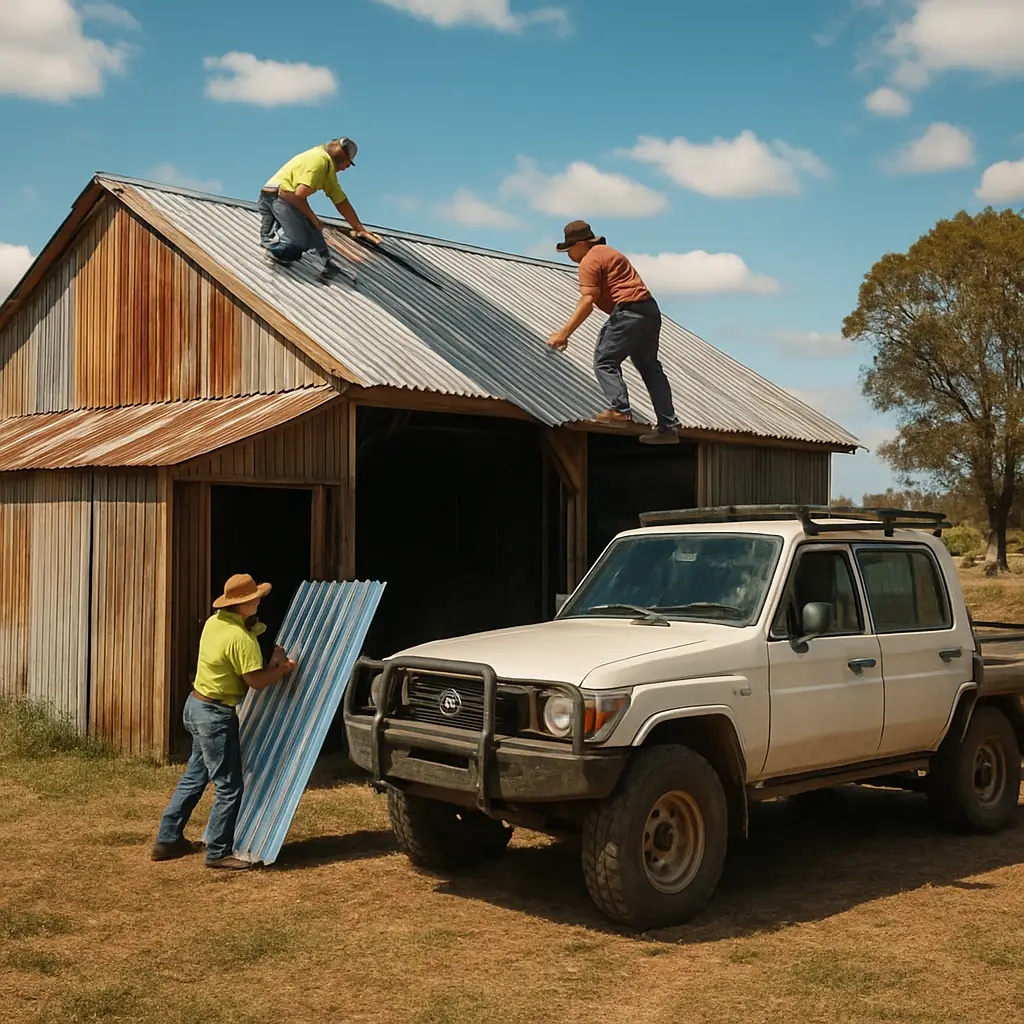
Picture this: you’re out in the paddock at sunrise, the rooster’s crow echoing, and you glance up at the old shed that’s been sheltering your tools for years. The roof’s metal is rusted, a few panels have warped from the last storm, and you can already hear that dreaded creak that signals it’s time for a replacement.
That feeling of “oh no, not the roof again” is all too familiar for farm and rural property owners across NSW. The shed is more than a structure—it’s where you store feed, keep the mower, and sometimes even house a few livestock. When the roof starts leaking, it can quickly turn into a cascade of problems: damaged equipment, ruined stock feed, and a heap of unexpected repair bills.
So, what does a shed roof replacement really cost? In our experience at Awesim Building Contractors, the price isn’t a one‑size‑fits‑all number. It hinges on the size of the shed, the material you choose—whether it’s steel, colour‑bond, or a corrugated aluminium profile—and the condition of the underlying framing. A modest 20‑metre shed with a simple steel roof might run around $4,000 to $6,000, while a larger 40‑metre structure with premium colour‑bond can climb to $10,000 or more.
But there’s more to the story than just the headline figure. Remote locations add a layer of logistics: getting the right crew and materials onto a gravel road, or navigating a river crossing with a 4×4. Those extra travel hours and the need for specialised equipment can nudge the total cost up by a few hundred dollars—something we always factor into our quotes so there are no nasty surprises.
And don’t forget the hidden savings that come from doing it right the first time. A well‑installed roof with proper ventilation and quality fixings can last 15 to 20 years, meaning you avoid repeated repairs and the associated downtime during harvest or calving seasons.
If you’re staring at that leaky roof and wondering where to start, the first step is a simple on‑site assessment. We’ll walk the property, measure the roof, discuss material options that suit your climate and budget, and give you a transparent breakdown of the shed roof replacement cost before any work begins.
Ready to protect your shed, your tools, and your peace of mind? Let’s have a chat and map out a plan that fits your farm’s rhythm.
TL;DR
If your farm shed is leaking, expect a shed roof replacement cost between $4,000 and $10,000 depending on size, material and remote‑site logistics. We’ll assess the roof on‑site, walk you through material choices, and give a clear, transparent quote so you can protect your tools and keep the farm running smoothly.
Understanding the Basics of Shed Roof Replacement Cost
Ever stood under a sagging shed roof and thought, “How much is this really going to cost?” You’re not alone. That knot in your stomach is the same one every farmer feels when a storm leaves the roof battered.
First off, let’s break down the three big drivers: size, material, and location logistics. A modest 20‑metre shed with standard steel sheeting will sit on the lower end of the spectrum – think $4,000 to $6,000. Double the span or go for premium colour‑bond, and you’re nudging $8,000‑$10,000. It’s not magic, it’s maths plus a dash of rural reality.
Now, here’s where the remote factor bites. If your property is a half‑hour off the sealed road, our 4×4 crew needs extra fuel, time, and sometimes a river crossing rig. Those hidden travel hours can add a few hundred dollars – not a fortune, but enough to surprise you if you haven’t scoped it out.
So, how do you keep the estimate honest? Start with a solid on‑site measurement. We’ll walk the perimeter, note any framing issues, and discuss which roofing profile suits your climate – whether that’s corrugated aluminium for salty coastal breezes or heavier steel for inland storms. From there, you get a line‑item quote that separates labour, material, and travel.
Want a deeper dive into how material choices affect price? Check out our Understanding Shed Roof Repair Cost: A Rural Builder’s Guide. It walks you through steel versus colour‑bond versus aluminium, plus the long‑term maintenance trade‑offs.
Tip: factor in future maintenance when budgeting. A roof installed with proper ventilation and quality fixings can last 15‑20 years, meaning you’ll dodge repeated repair costs during harvest or calving season. It’s a small upfront premium for big peace of mind later.
And here’s a tech‑savvy angle – many of our clients now use AI‑driven tools to model budgeting scenarios. Platforms like Assistaix can crunch numbers on material waste, labour hours, and even predict weather‑related delays, giving you a clearer picture before the first nail is driven.
On the flip side, if you’re looking to boost the overall productivity of your farm, consider checking out growth‑hacking resources. While it’s not a roofing service, the strategic planning mindset can help you align renovation timelines with peak farm activity, keeping downtime to a minimum.
Below is a quick checklist to run through before you sign off on any quote:
- Confirm total roof area (including overhangs).
- Choose material based on climate and budget.
- Ask for a breakdown of travel and logistics costs.
- Verify warranty terms on both material and workmanship.
- Consider future maintenance plans.
Once you’ve ticked those boxes, you’ll feel confident that the shed roof replacement cost you’re quoted is fair, transparent, and realistic for your farm’s unique situation.
Watch this short video for a visual walk‑through of a typical shed roof replacement on a remote NSW property:
Seeing the process in action helps demystify the steps and shows why proper planning saves both time and money.
Bottom line: understanding the basics – size, material, and remote logistics – puts you in the driver’s seat. Combine that knowledge with a transparent quote, a solid checklist, and a bit of tech‑assistance, and you’ll have a roof that protects your tools, your stock, and your peace of mind for years to come.
Key Factors That Influence the Cost
When you stare at that rust‑stained panel and wonder why the bill seems to balloon, the answer usually lives in the details. Below we break down the main drivers behind your shed roof replacement cost, sprinkle in a few Aussie‑style stories, and hand you a checklist you can actually use on the farm.
1. Size, Shape and Waste Factor
It sounds simple – bigger roof, bigger price tag. But the maths isn’t always linear. A 20‑metre gable roof might need 40 sqm of steel, while a 30‑metre shed with a side‑lean‑to adds extra over‑hang and cut‑offs. In practice we add a 10‑15 % waste factor for trimming and mistakes. That’s why a 30‑metre project near Bourke came out at $17,500, even though the raw material alone looked cheap on the quote.
2. Material Choice and Longevity
Metal isn’t one‑size‑fits‑all. Standard corrugated steel runs around $40‑$50 per square metre installed, colour‑bond nudges it up to $50‑$65, and premium aluminium can hit $65‑$80. The extra spend on colour‑bond often pays off because it resists UV fade and rust – the kind of thing that saved a farmer in Armidale from a $4,000 repaint job just five years later.
3. Roof Pitch and Access Complexity
Steep roofs (over 30°) mean the crew swaps ladders for scaffolding, adding roughly $1500‑$2800 in labour. Flat roofs sound cheap, but if water ponds you’ll need extra under‑layment and drainage, which can add $1600. One dairy shed in Gunnedah with a low‑pitch roof ended up with a tapered insulation system – an extra cost that stopped future leaks.
4. Site Logistics – The Hidden Mileage
Remote properties often need a 4×4 to haul steel across gravel, sometimes a portable crane for heavy beams. Those extra travel hours usually cost $1200‑$1400 per day. A shearing shed near Coonamble took two extra days on a rough track, resulting in a $1350 access surcharge. Ask your builder for a line‑item “logistics” fee so you’re not caught off guard.
5. Hidden Items That Sneak Into the Quote
Don’t overlook disposal, framing repairs, flashing and gutters. Removing the old roof can be $10‑$30 per square foot, while fixing rotted rafters can be $1,500‑$3,200. In Moree, a hidden rotted rafter added $4,100 to the final bill – a shock until we explained the long‑term stability it gave the new roof.
Here’s a quick snapshot of how those numbers stack up.
| Cost Driver | Typical Range (AU$) | What to Watch For |
|---|---|---|
| Material (per sqm) | $40‑$80 | Choose based on climate & lifespan |
| Labour & Pitch | $1500‑$2800 extra for steep roofs | Scaffolding vs ladder |
| Access/Logistics | $1200‑$2400 per day | 4×4 travel, crane hire |
| Hidden Extras | $1300‑$3,200 | Disposal, rafter repair, flashing |
So, how do you keep the numbers from spiralling?
Actionable Steps to Tame the Cost
- Measure the roof surface yourself (length × width) and add 10 % for waste.
- Pick a material that matches your environment – colour‑bond for high UV, aluminium for coastal salt.
- Walk the access route with your 4×4; note any steep grades or narrow gates.
- Ask the contractor for a line‑item quote that separates material, labour, access and disposal.
- Schedule the replacement during a low‑activity period on the farm to avoid lost productivity.
Need some hard numbers to back up these figures? Angi’s national shed roof cost guide breaks down average prices from $800 up to $4,800, depending on size, material and local fees. It’s a handy benchmark when you’re comparing quotes.
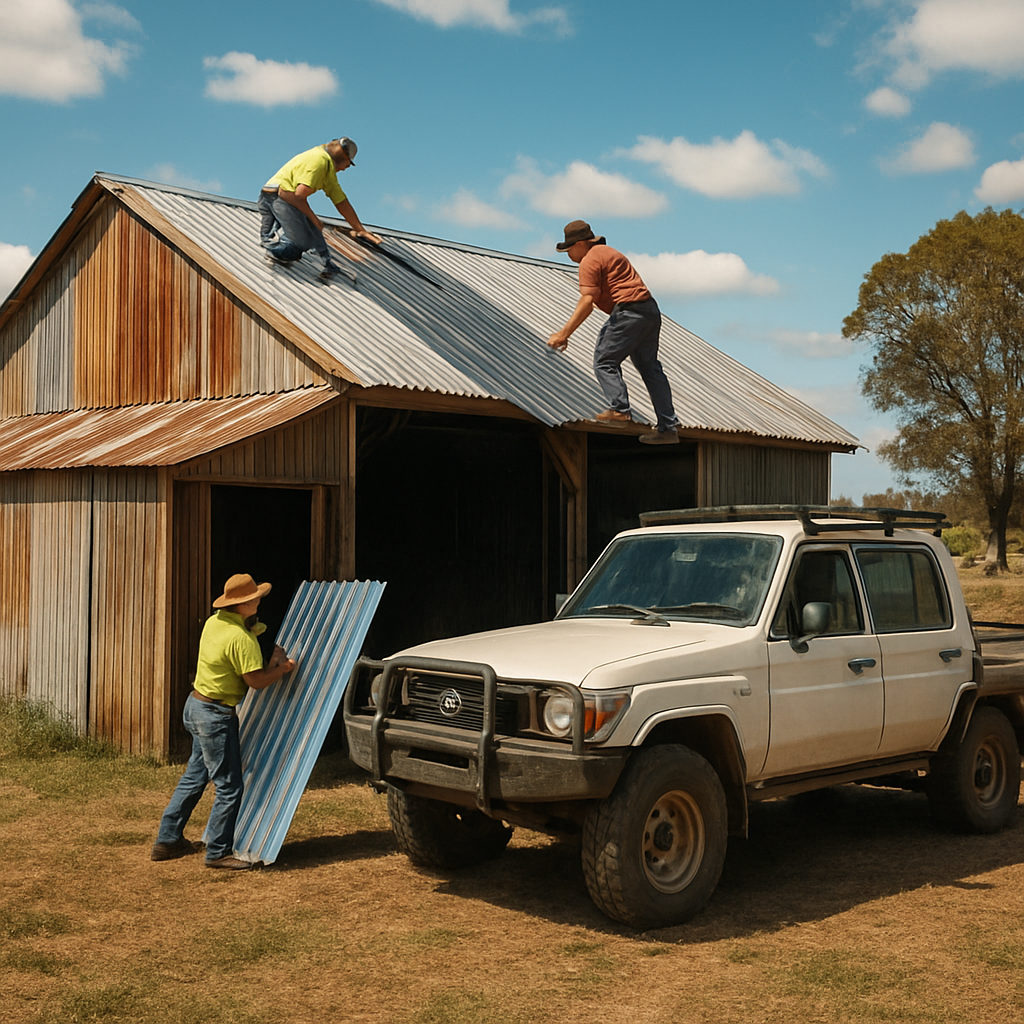
Watch the short video above for a visual walk‑through of a typical shed roof replacement on a remote NSW property. You’ll see the crew set up their 4×4, unload the colour‑bond panels, and explain each cost line as they go.
Bottom line: the “shed roof replacement cost” isn’t a mystery – it’s a sum of transparent pieces. By measuring, choosing wisely, and demanding a detailed quote, you can keep the project on budget and protect your tools for the next decade.
Choosing the Right Materials for Your Shed Roof
When you’re staring at that rusted panel and thinking about the shed roof replacement cost, the first thing that pops up is the material you’ll be putting on top.
Different metals behave like different breeds of cattle – some are hard‑working and cheap, others are a bit fancier and last longer. Picking the right one can keep your budget honest and the roof humming for years.
Know your climate and site
In the hotter parts of New England, UV rays can bleach a plain steel sheet in just a few seasons. Colour‑bond steel adds a zinc‑aluminium coating that reflects sunlight and resists rust, making it a solid choice for places like Armidale or Glen Innes.
If your shed sits near the coast – say a cattle station out near Coffs Harbour or a property with a salty breeze on the Murray – aluminium or a zinc‑aluminium alloy is worth the extra $ per metre because the salt won’t eat through it the way steel does.
Weight and handling on remote sites
Your 4×4 can only haul so much at once. Light‑weight aluminium panels mean fewer trips up a steep gravel track, which trims both labour time and the access surcharge that shows up on the shed roof replacement cost estimate.
On the flip side, heavy gauge steel can be a good fit if you’ve got a sturdy crane on site or a flat‑bed trailer that can handle the load. It’s also cheaper per square metre, so if you’re working on a big 40‑metre shed in Dubbo, the material savings can offset the extra handling effort.
Durability versus upfront price
Think of the material like an upfront investment. A $20‑$30 per sqm corrugated steel will get the job done, but you might be swapping panels again in a decade if the coating peels. Colour‑bond at $50‑$65 per sqm adds about five to seven years of life – that’s fewer invoices and less downtime during harvest.
Premium aluminium sits at $65‑$80 per sqm, but it can push the roof’s lifespan to 20‑25 years, even in salty or high‑UV environments. For a farmer who can’t afford a roof failure during calving season, that reliability is priceless.
Fasteners and under‑layment matter
Whatever metal you choose, the fixings need to match. Stainless‑steel screws or self‑tapping fasteners keep rust at bay, and a breathable under‑layment stops moisture from sitting under the panels – a common cause of hidden corrosion that inflates the shed roof replacement cost later.
In our experience, we always lay a 1‑mm poly‑roof membrane on low‑pitch roofs before the metal. It’s a small cost, maybe $2‑$3 per sqm, but it saves you from water‑pooling headaches down the track.
Quick decision checklist
Here’s a quick cheat‑sheet you can run through on the farm:
- Measure roof area and note pitch – steep roofs may need heavier gauge steel or extra scaffolding.
- Match material to climate – colour‑bond for inland UV, aluminium for salty breezes.
- Consider logistics – lighter panels reduce 4×4 trips and access fees.
- Pick rust‑proof fasteners and add a breathable under‑layment for low‑pitch roofs.
- Balance upfront price with expected lifespan – a higher per‑metre cost can lower the overall shed roof replacement cost over 20 years.
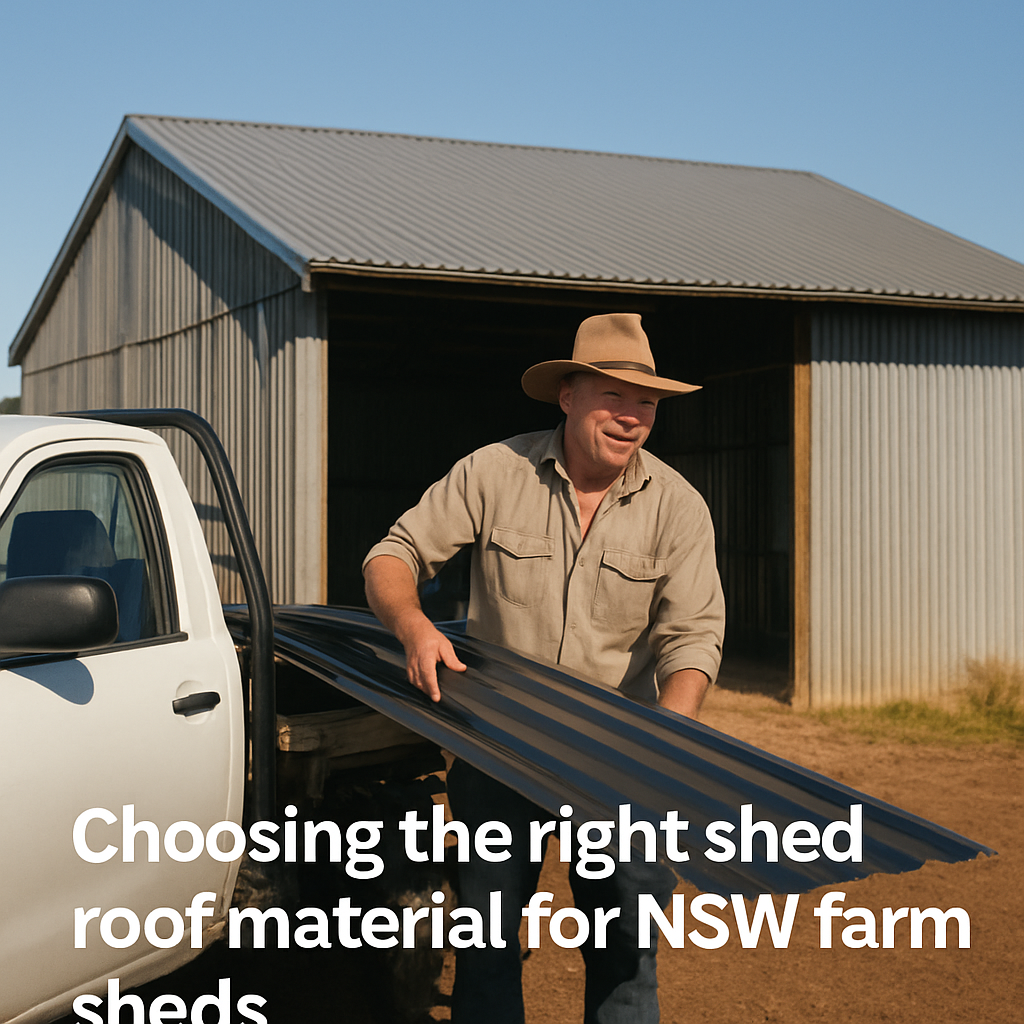
When you line up the material with your climate, your budget, and the way you get the panels onto site, the shed roof replacement cost becomes a clear, predictable number rather than a mystery. And that’s exactly how we keep farms running smooth, rain or shine.
Step‑by‑Step Replacement Process
Okay, you’ve already measured the span, picked colour‑bond or aluminium, and know the access fee for your 4×4. The next piece of the puzzle is actually getting that shed roof replacement done without a surprise bill. Below is the exact walk‑through we use at Awesim, broken down into bite‑size steps you can follow on the farm.
Step 1: On‑site assessment and safety brief
First thing’s first – we show up, walk the perimeter, and flag any hidden hazards. Look for low‑lying branches, loose gutters, or a rickety ladder. We always take a moment to chat with you about the work schedule, because a busy calving week means we’ll aim for a quiet afternoon.
During this visit we also confirm the shed roof replacement cost estimate. It’s the moment we compare the size‑plus‑waste factor against the material price list, and add any extra labour for steep pitches. Fixr notes that the national average shed roof replacement cost can swing between $1700 and $14,000 depending on size and material, so we make sure you see exactly where your numbers land.
Step 2: Tear‑off or roof‑over decision
Do you need a full tear‑off? If the old steel is rust‑eaten or you’re switching to a heavier tile, we’ll strip it back to the deck. If the existing roof is still solid, we might simply lay a new metal panel over it – a trick that can shave a day or two off labour.
We always walk you through the pros and cons: a tear‑off adds $1300‑$2600 for disposal but gives us a clean slate; a roof‑over saves that cash but can hide hidden rot. Your call, but we’ll write it into the quote.
Step 3: Under‑layment and flashing
For low‑pitch sheds we love a 1‑mm poly‑roof membrane. It’s cheap – about $2‑$3 per sqm – and it stops ponding water from seeping into the deck. Then come the flashings: we use stainless‑steel screws and a breathable under‑layment that lets any moisture escape. It’s a small upfront spend that keeps the shed roof replacement cost from ballooning years later.
Quick tip: ask us to tape the edges of the under‑layment with a weather‑proof sealant. It’s a detail most DIY guides skip, but it’s what stops those sneaky leaks that show up after the first rain.
Step 4: Panel installation
Now the fun part – lifting the panels onto the roof. Our 4×4 can haul a full sheet of colour‑bond in a single go, even on a gravel track. We start at the eave, overlap each sheet by at least 150mm, and secure with rust‑proof fasteners every 600mm.
If the roof is steep, we switch to scaffolding. That adds roughly $1500‑$2800 in labour, but it’s worth the safety boost. We always double‑check alignment with a laser level – a tiny mis‑align can turn a smooth roof into a water‑channeling nightmare.
Step 5: Finishing touches – gutters, trims, and clean‑up
Once the panels are down, we fit the end caps, ridge caps, and any required gutters. Gutters aren’t just for looks; they protect the foundation from erosion, especially after a wet season.
We haul away the old roofing, sweep the site, and leave you with a tidy yard – no stray screws or metal shards. A clean job site means you can get back to feeding the cattle or loading the tractor the same day.
Step 6: Final walk‑through and paperwork
Before we pack up, we do a quick walk‑through with you. We point out the new fasteners, show you how to clear debris from the gutters, and hand over a simple one‑page “maintenance checklist” that reminds you to inspect the roof after the first heavy rain.
Then we sign off on the invoice, which breaks down material, labour, access, and disposal – no hidden line items. That transparency keeps the shed roof replacement cost predictable for the next 15‑20 years.
So, there you have it – a clear, step‑by‑step process that takes the guesswork out of replacing a farm shed roof. Follow these stages, keep an eye on the cost drivers, and you’ll end up with a roof that stands up to the Aussie outback without breaking the bank.
Budgeting and Financing Your Shed Roof Project
Now that you’ve got the basics of size, material and access down, the next thing that keeps most farm owners up at night is the money side of things. How do you turn a rough “shed roof replacement cost” figure into a plan you can actually live with?
Step 1: Map out the full cost picture
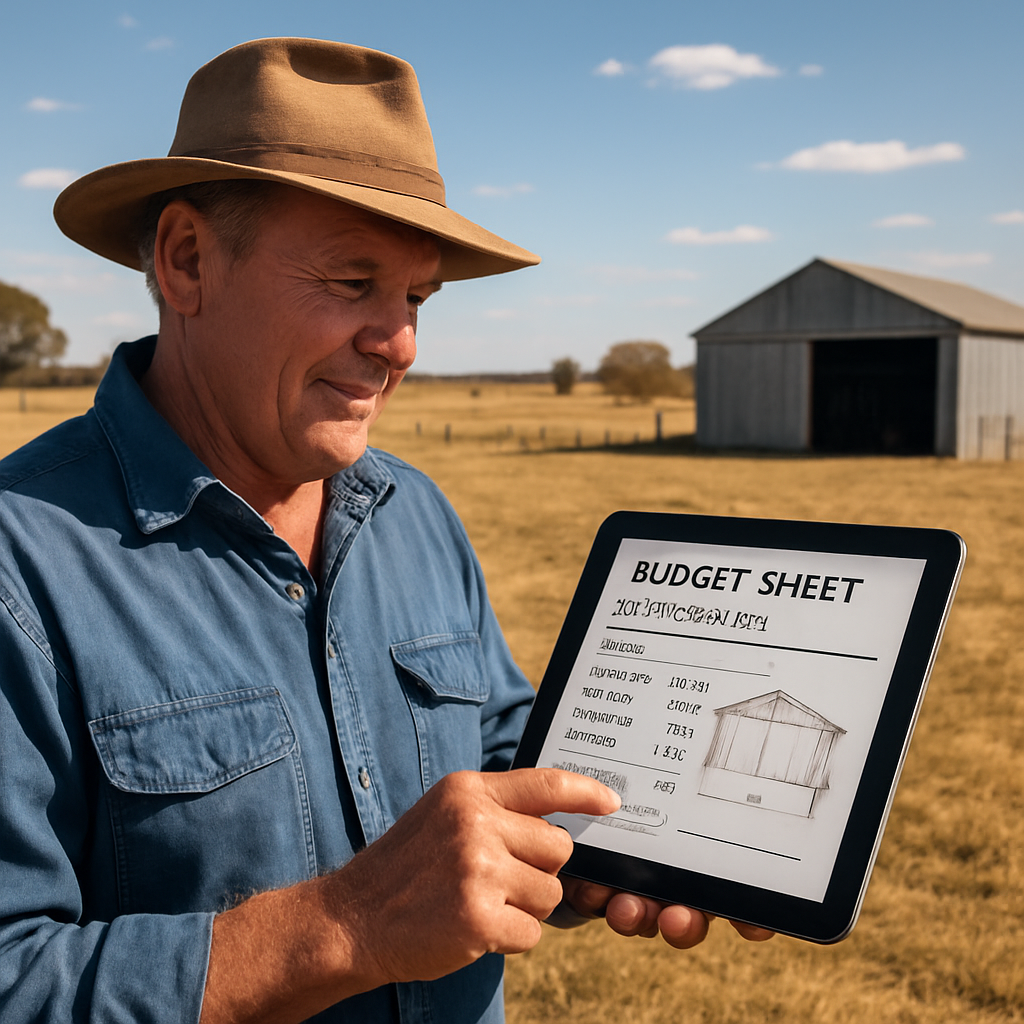
Start with the quote you already have – material, labour, disposal and any access surcharge. Then add a 10‑15 % buffer for hidden items like rafter repairs, extra flashing or unexpected waste. In our experience a 30‑metre shed in Gunnedah that looked like a $17,500 job ended up $28,300 once a few rotted purlins were replaced. Don’t forget to ask suppliers if they have bulk‑order discounts or off‑season pricing – that can shave another few hundred off the material line.
Write those numbers into a simple spreadsheet: columns for “estimated”, “contingency” and “actual”. Seeing the totals in black‑and‑white helps you spot where you might be able to trim later.
Step 2: Prioritise what matters most
Ask yourself: what will break the farm first if you cut corners? Usually it’s the roof membrane and the flashing. Skimping on rust‑proof fasteners saves a few hundred dollars now but can cost you a leak next season.
Rank each line‑item – high, medium, low – and decide where you’re comfortable taking a discount. Maybe you choose colour‑bond for the main panels but downgrade the ridge caps to standard steel; that small switch can shave $200‑$300 off the total.
Step 3: Tap into farm‑friendly financing
Many regional banks and credit unions offer “agricultural equipment” loans that can be used for building projects. They often come with flexible repayment terms that line up with harvest cycles, so you’re not paying big instalments when cash flow is tight.
Another option is a line of credit attached to your farm’s asset register. It lets you draw what you need, when you need it, and you only pay interest on the amount you actually use.
Don’t forget the government side‑door: NSW Rural Assistance Grants sometimes cover part of the roofing cost if you can show the upgrade improves biosecurity or fire safety. A quick call to your local council can clear up eligibility. It’s worth chatting with your agribusiness adviser too; they often have partnerships with lenders that offer lower interest rates for farm upgrades.
Step 4: Schedule payments around farm activity
Work with the contractor to break the invoice into milestones – for example, 30 % on signing the quote, 40 % after the under‑layment is laid, and the final 30 % on completion. That way you’re not handing over the whole amount before you see any work. Make sure each milestone is written into the contract so both sides know exactly when payment is due.
Align those dates with quieter periods on the property – after the lambing season, before the wheat harvest – so you’re not juggling a big bill and a busy paddock at the same time.
Step 5: Keep an eye on cash flow during the build
Set a weekly check‑in with the crew. A quick walk‑through can catch a surprise cost early – like an extra 4 × 4 hour needed to haul panels up a newly discovered mud pit.
If you spot a variance, decide fast: either approve the extra spend or ask the team to find a cheaper workaround. Staying proactive stops the bill from ballooning at the end.
And remember, a well‑budgeted roof isn’t just about the dollars you spend today. It’s about the peace of mind you get when the next storm rolls through and your tools stay dry.
Bottom line: treat the shed roof replacement cost like any other farm investment. Know the full number, add a safety net, explore financing that matches your seasonal cash flow, and lock in payment milestones that protect you from surprise fees. Schedule a tiny annual check‑up in your budget so you can spot wear early and avoid a costly emergency. Follow these steps and you’ll walk away with a roof that lasts and a budget that stays on track.
Hiring the Right Rural Builder in NSW
You’re standing in the paddock, the sun’s already high, and that leaky shed roof is staring back at you like a bad joke. You know the shed roof replacement cost will bite, but you also know you can’t tackle it alone. So, who do you trust to turn that rusted mess into a solid, rain‑proof cover?
1. Pin down exactly what you need
First thing’s first – write down the basics. How big is the shed? What material are you leaning towards – colour‑bond, aluminium, or the plain corrugated steel? Do you need extra ventilation or a low‑pitch under‑layment? Jotting these details down gives you a clear brief and stops you from saying “just build it” later on when the quote blows up.
And while you’re at it, think about your farm calendar. Is there a quiet window after lambing or before the wheat harvest? Knowing when you can afford a crew on site will shape the builder’s schedule and, ultimately, the final shed roof replacement cost.
2. Check licences, insurance and local experience
In NSW, a reputable rural builder will have a valid builder’s licence and public liability insurance – it’s non‑negotiable. Ask to see their licence number and a certificate of insurance; a quick phone call to the regulator can confirm everything.
But don’t stop at paperwork. Ask how long they’ve been working in the specific regions you care about – Tamworth, Gunnedah, Bourke, Dubbo, you name it. Builders who’ve wrestled with the same 4×4 access challenges you face will already know the shortcuts that keep costs honest.
3. Demand a line‑item quote that talks shed roof replacement cost
When the builder sends a quote, it should read like a grocery list: steel panels, under‑layment, fasteners, disposal, access surcharge, labour hours, and a contingency buffer. If any line is vague – “labour” without hours, or “miscellaneous” – ask for a breakdown.
Seeing the numbers side‑by‑side lets you compare offers without hidden surprises. It also shows whether the builder is willing to be transparent about the factors that push the shed roof replacement cost up, like extra 4×4 travel days or unexpected rafter repairs.
4. Verify 4×4 capability and equipment
Remote NSW properties often need a 4×4 to haul steel sheets over gravel tracks, sometimes even a portable crane for heavy beams. Ask the builder to describe the vehicles they use and how they plan to get the material to your doorstep.
In our experience, a crew that comes equipped with a dual‑cab 4×4 and a small crane can shave a day or two off the schedule – and that directly trims the access surcharge part of the shed roof replacement cost.
5. Ask for local references – not just happy customers, but neighbours
Nothing beats a chat with a neighbour who’s just had a shed roof replaced. Ask the builder for at least two references within a 50‑km radius. Call them, ask how the builder handled unexpected issues, whether the timeline held, and if the final cost matched the original quote.
Those real‑world stories will reveal whether the builder’s “budget‑friendly” promise was just talk or genuine value.
6. Insist on a written contract with milestones
Good builders break the job into clear stages: 1) on‑site assessment, 2) demolition or roof‑over decision, 3) under‑layment installation, 4) panel placement, 5) finishing and clean‑up. Tie payments to each milestone – 30 % up front, 40 % after under‑layment, 30 % on completion.
This protects you from paying the full shed roof replacement cost before you see any work, and it gives you a chance to spot any cost drift early.
7. Trust your gut – but back it up with facts
If a builder seems eager to rush, or their quote feels too good to be true, pause. A solid rural builder will respect your need to think it over and will answer every “what if” you throw at them.
At the end of the day, hiring the right rural builder in NSW is a mix of paperwork, local know‑how, and that gut feeling you get when you shake hands on the farm driveway.
So, take these steps, ask the right questions, and you’ll land a builder who keeps the shed roof replacement cost transparent, the project on schedule, and your tools dry for the next season.
FAQ
What factors influence the shed roof replacement cost in rural NSW?
The shed roof replacement cost breaks down into a handful of things: the size and shape of the roof, the metal you choose (standard steel, colour‑bond or aluminium), the pitch and any extra scaffolding, how far the site is from the road and whether a 4×4 or crane is needed, plus any hidden work like rafter repairs or disposal.
Each driver adds a line‑item you can see on a detailed quote, so you know exactly where the dollars are going.
How can I accurately estimate the material cost for my shed roof?
The material cost is basically the price per square metre multiplied by the total roof area, then padded with a 10‑15 % waste factor for cuts and errors. Measure the length and width, add the pitch‑overhang, and you’ll have a metre‑square figure.
Colour‑bond runs about $50‑$65 per sqm installed, while plain steel is $40‑$50. Plug those numbers into a simple spreadsheet and you’ll see a realistic budget before the builder even shows up.
What’s the best way to avoid hidden fees when hiring a builder?
Hidden fees usually pop up when the quote lumps everything into a vague ‘labour’ or ‘miscellaneous’ line. Ask for a line‑item breakdown that shows material, disposal, access surcharge, fasteners and any contingency.
In our experience, a clear quote also flags extra travel days or unexpected rafter repairs up front. When a builder can point to each cost, you can challenge anything that looks inflated and keep the shed roof replacement cost honest.
Do I really need a written contract with payment milestones?
Yes – a written contract with milestones is worth its weight in gold. It protects you from paying the full amount before any work is done and gives you a clear stop‑point to check quality.
We usually split the job into three stages: 30 % up front, 40 % after the under‑layment is set, and the final 30 % on completion. If any stage slips, you’ve got leverage to pause payment until it’s fixed.
How does access and 4×4 logistics affect the overall price?
Access can be the silent price‑killer on a remote NSW farm. Every extra kilometre your 4×4 drives on a dusty track adds a daily surcharge, usually $1200‑$1400, and if a crane is needed you’re looking at another few hundred.
That’s why we always do a pre‑site walk‑through, map the route, and quote the logistics as a separate line item. Knowing that number early stops surprise invoices and keeps the overall shed roof replacement cost predictable.
Can I combine a roof‑over with a new under‑layment to save money?
You can sometimes do a roof‑over instead of a full tear‑off, and that can shave a day or two off labour. The trick is to make sure the existing decking is still sound and to add a quality under‑layment before you lay the new panels.
If you skip the under‑layment you might save a bit now, but you’ll likely pay more later in leaks and corrosion. In most cases we recommend a thin poly‑membrane for about $2‑$3 per sqm – a small price for long‑term peace of mind.
What financing options are available for farm owners in NSW?
Most regional banks in NSW offer farm‑focused loan products that line up with your harvest cycle, so you can spread repayments over the off‑season when cash flow is tighter. A line of credit attached to your property’s assets lets you draw only what you need for the roof work, paying interest just on that amount.
We also see owners tap the NSW Rural Assistance Grant for projects that improve biosecurity or fire safety – it can cover a slice of the shed roof replacement cost if you meet the eligibility criteria.
Conclusion
We’ve walked through everything that makes a shed roof replacement cost tick, from measuring the span to picking the right metal and sorting out 4×4 logistics.
Bottom line? The biggest surprise usually isn’t the headline price – it’s the hidden items that creep in when the quote is vague.
Measure twice, add a 10‑15 % waste buffer, choose a weather‑proof under‑layment and demand a line‑item breakdown. Those simple steps keep the bill honest and the roof lasting.
In our experience, farms that schedule the job during a low‑activity period and lock in payment milestones avoid cash‑flow headaches and stay on budget.
A quick tip: keep a simple spreadsheet with estimated, contingency and actual figures – it makes spotting overruns as easy as reading a farm ledger.
So, what’s the next move? Grab your tape measure, sketch the roof area, call a local rural builder who can get a 4×4 out to your site, and ask for a transparent quote that lists material, labour, access and contingency.
When you do, you’ll walk away with a roof that weathers the outback and a shed roof replacement cost you actually understand.
Need a hand turning those numbers into a plan? Give Awesim Building Contractors a shout – we’ll roll up our sleeves, run the on‑site check and give you a clear, no‑surprise estimate.


1 Comment